

N.A.M.E. National Office
Professional Association for Mobile Entertainers
Email: office@nameentertainers.net
Mail: P.O. Box 144, Willow Grove, PA 19090
for Mobile Entertainers Get Insurance Info
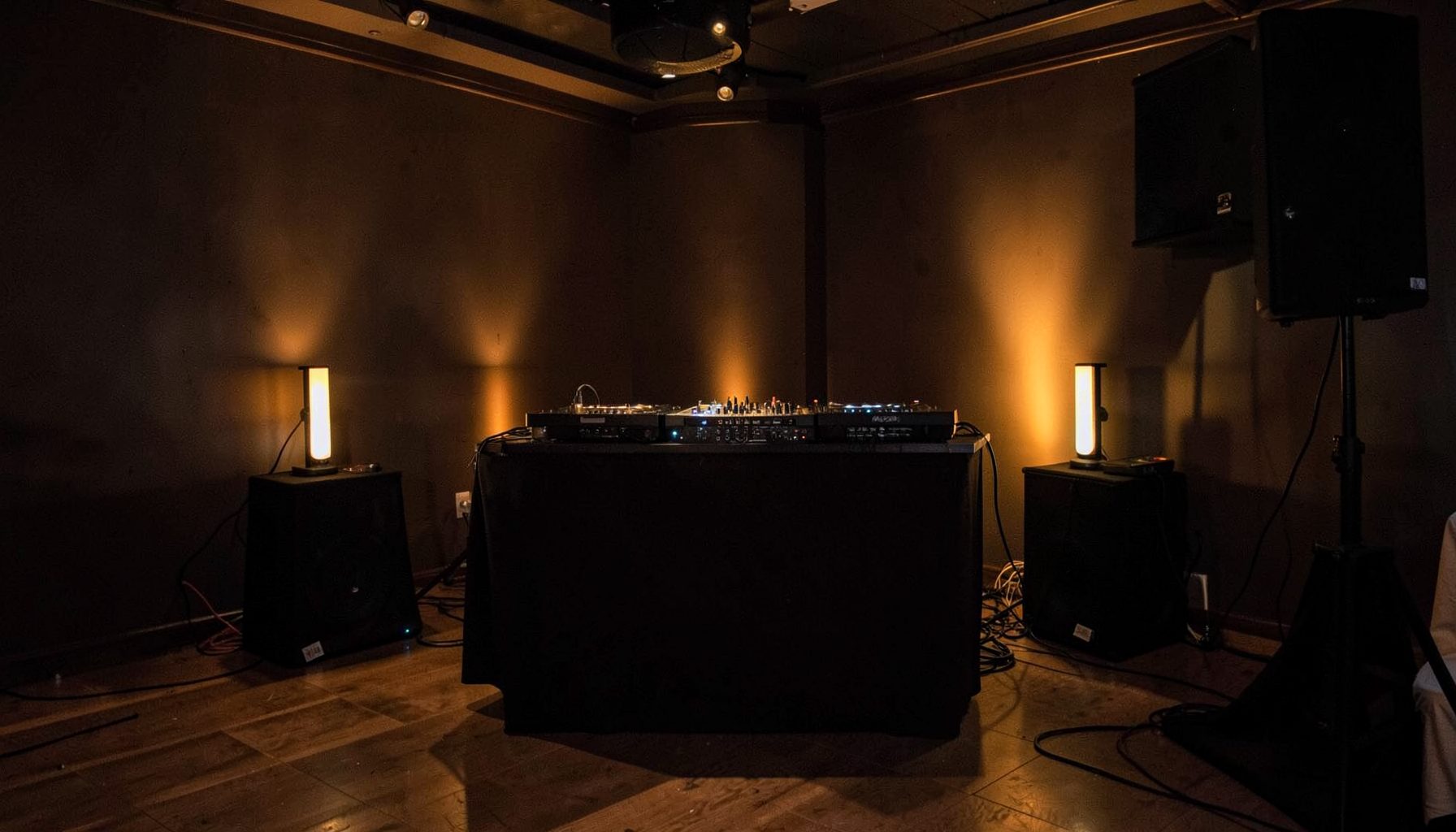
Insurance for Mobile Entertainers
N.A.M.E. partners with Brown & Brown Insurance to offer comprehensive liability and equipment coverage designed specifically for DJs, bands, photographers, and other mobile entertainers. Coverage up to $5,000,000 is available.
Learn about insurance →News & Updates
Stay informed with the latest announcements from the National Association of Mobile Entertainers, including trade show coverage, webinar updates, and member spotlights.
N.A.M.E. publishes a monthly e-newsletter via Constant Contact featuring discounts, member benefits, and upcoming industry expos.
Sign up for the newsletter →Find an Entertainer
Search the N.A.M.E. directory of DJs and mobile entertainers who have invested in their business and uphold the quality standards of the association. Members include DJs, hypnotists, photographers, bands, event planners, booking agents, theatrical groups, and comedians.
Browse the directory →Avoiding Coverage Gaps When Changing Insurance Carriers
Changing insurance carriers can reduce premiums, improve policy features, or provide better service for a mobile entertainment business. The transition also creates a period when an overlooked date, exclusion, certificate, or endorsement can leave a DJ, band, photographer, or event company exposed.
A successful switch requires more than canceling one policy and purchasing another. Business owners must coordinate effective dates, compare liability limits, review equipment protection, and confirm that venues and clients will accept the new proof of insurance. Careful planning keeps the change from creating an unintended lapse in protection.
For professionals working at weddings, corporate events, festivals, schools, and private parties, insurance is part of the operating foundation. A claim can involve bodily injury, property damage, rented equipment, allegations of professional negligence, or damage to a venue. The right transition process helps preserve coverage while the business moves from one carrier to the next.
Start With A Coverage Inventory
Before requesting quotes, gather every current policy document and identify what the existing coverage actually provides. Review the declarations page, policy forms, endorsements, exclusions, deductibles, limits, and renewal dates. A certificate of insurance summarizes important details, but it does not replace the policy itself.
Mobile entertainers commonly need commercial general liability insurance, equipment coverage, and protection for business property used away from a primary office. Some professionals may also need hired and non-owned auto coverage, workers’ compensation, inland marine protection, or coverage for rented gear. The appropriate combination depends on the business structure, equipment value, employees, vehicles, and event responsibilities.
Create a written inventory of current limits and special provisions. Include additional insured endorsements, waiver of subrogation requirements, primary and noncontributory wording, claims-made conditions, and coverage for temporary venues. This list gives the new agent a clear target and makes it easier to spot a reduction hidden behind a lower premium.
Align Effective Dates Precisely
The safest transition has no uninsured interval. The replacement policy should be active before the old policy is canceled, with matching dates and times whenever possible. A policy ending at 12:01 a.m. and a new policy beginning at noon can create a meaningful gap, even if both dates appear identical on paperwork.
Do not rely on a quote, application, payment receipt, or verbal assurance as proof that coverage is bound. Ask for written confirmation of the policy number, effective date, expiration date, applicable limits, and any conditions that must be satisfied before coverage begins. Keep those records with the signed application and payment confirmation.
Cancellation should be handled deliberately. Some carriers require written notice, while others provide specific cancellation procedures through an agent. Confirm whether the old policy will be canceled flat, canceled pro rata, or subject to a short-rate penalty. Avoid canceling until the replacement carrier has issued binding documentation and the requested endorsements are confirmed.
If an event is scheduled around the transition date, check which policy responds based on the incident date, policy period, and wording of the contract. A loss may occur before an event, during setup, during performance, or while equipment is being loaded out. The transition plan should account for the entire operational window.
Compare Policy Terms Beyond The Premium
A lower price does not necessarily represent a better insurance program. Compare limits, deductibles, exclusions, territory, defense provisions, and covered operations. A policy designed for a conventional office may not address the mobile nature of entertainment work, where equipment travels to changing locations and multiple parties may have contractual requirements.
Claims-made and occurrence-based liability policies also operate differently. With occurrence coverage, the policy generally responds based on when the bodily injury or property damage occurred. Claims-made coverage may depend on when the claim is made and whether the appropriate retroactive date is preserved. Switching carriers without reviewing these provisions can affect protection for earlier work.
Use a side-by-side review to identify meaningful differences before selecting a replacement policy:
| Coverage Detail | Existing Policy | Proposed Policy | Transition Check |
|---|---|---|---|
| General liability limit | Per occurrence and aggregate | Per occurrence and aggregate | Confirm limits meet contracts and venue requirements |
| Policy form | Occurrence or claims-made | Occurrence or claims-made | Preserve retroactive date when applicable |
| Equipment protection | Owned, rented, or leased gear | Owned, rented, or leased gear | Verify replacement cost, storage, and transit terms |
| Deductible | Amount and coverage category | Amount and coverage category | Calculate the effect on claim finances |
| Additional insured status | Automatic or endorsement-based | Automatic or endorsement-based | Request venue-specific endorsements promptly |
| Cancellation dates | Current carrier’s end date | New carrier’s start date | Match dates and times without an interval |
| Business activities | DJ, band, photography, planning, and related services | Listed operations | Ensure every revenue-producing activity is disclosed |
Ask for explanations in writing when a term is unclear. A new policy may use different definitions for “mobile equipment,” “employee,” “property damage,” or “temporary location.” Small wording changes can affect how a claim is handled.
Protect Certificates And Contract Requirements
Venues often request a certificate of insurance before allowing an entertainer to load in or perform. Clients may also require additional insured status, primary and noncontributory language, or a waiver of subrogation. These requirements should be reviewed before the carrier changes, since the new insurer may use different forms, fees, processing times, or eligibility rules.
A certificate itself does not create coverage that the policy does not provide. It communicates selected policy information to a requesting party. Ask the new agent to issue updated certificates as soon as the policy is active, then send them to venues and clients with upcoming events. Retain copies of requests, issued certificates, and endorsements.
Venue waivers can create further confusion. A contract may ask an entertainer to waive rights or accept responsibility that the insurance policy does not automatically cover. Reviewing venue waiver details can help clarify why a signed venue document should be compared with the actual policy wording.
Keep a calendar of certificate deadlines and event dates. A carrier switch during a busy season can create administrative delays, especially when many venues need proof at the same time. Sending requests early gives the agent time to correct names, addresses, additional insured wording, and other details before the event.
Account For Equipment And Mobile Operations
Entertainment equipment may be exposed while stored, transported, set up, used, or left overnight at a venue. When comparing carriers, confirm whether speakers, lighting, instruments, cameras, computers, photo booths, backdrops, and other gear are covered in each setting. A commercial property policy may be limited to a listed premises, while mobile equipment may require inland marine or another form of off-premises protection.
Update the equipment schedule when values or inventory have changed. Include serial numbers, purchase records, appraisals, and photographs where appropriate. If equipment is leased, rented, borrowed, or financed, determine who is responsible for insuring it and whether the contract requires specific wording.
Consider transportation exposures as well. A personal auto policy may exclude business use or fail to cover expensive equipment inside a vehicle. If employees or subcontractors transport gear, clarify whose policy applies and whether hired or non-owned auto coverage is needed.
The business description supplied to the carrier should accurately reflect real services. A DJ who also provides photo booths, event lighting, ceremony audio, or livestream production should disclose those activities. Omitting a service to obtain a cheaper quote can create uncertainty during a claim.
Coordinate Agents, Contracts, And Records
Use the carrier change as an opportunity to organize insurance records. Store the current and replacement policies, certificates, endorsements, invoices, applications, equipment schedules, and claim contacts in a secure digital folder. Keep an offline or cloud backup so the information is available while traveling to an event.
Ask both the outgoing and incoming agents specific transition questions. Determine how prior incidents should be reported, whether the old carrier will handle claims from its policy period, and whether any extended reporting option applies. Never assume that a new carrier will automatically accept responsibility for an earlier event.
Professional guidance can be especially useful when contracts, multiple business entities, or complex event services are involved. N.A.M.E. has served mobile entertainers nationwide since 1996, offering insurance options alongside education, business resources, and industry support. Its staff and advisory board provide organizational insight relevant to professionals building sustainable entertainment businesses.
Review the final documents against the original quote. Confirm the named insured, business address, trade names, policy limits, deductibles, effective dates, endorsements, and covered operations. If a promised feature is missing, request correction before the old policy is canceled.
Complete A Final Transition Review
A short final review can prevent many avoidable problems. Complete it several days before the new policy begins, then repeat the date and certificate check after binding. This second review is useful because endorsements or certificates may be issued after the initial policy documents.
Use the following checklist:
- Confirm the replacement policy is bound with matching effective dates and no uninsured interval.
- Compare liability limits, deductibles, exclusions, retroactive dates, and additional insured provisions.
- Obtain updated certificates and endorsements for every venue or client that requires them.
- Verify coverage for owned, rented, leased, transported, stored, and off-premises equipment.
- Save policy documents, payment records, agent correspondence, and claim instructions in an accessible location.
For additional organizational perspective, professionals can also review N.A.M.E.’s staff advisory board resources while evaluating business practices and insurance decisions. The goal is a documented handoff in which the new policy is active, the old policy is properly closed, and every upcoming event has acceptable proof of coverage.
Changing carriers should be a controlled business decision rather than an administrative scramble. Start early, compare the full policy language, disclose all mobile services, and coordinate certificates with event contracts. N.A.M.E. members can use available insurance options, educational resources, and professional support to make the transition with greater confidence. Review your current policy now, identify the dates and endorsements that matter, and begin the carrier change only after the replacement protection is fully documented.
Get in Touch
Contact N.A.M.E. for membership inquiries, insurance questions, or general information.