
N.A.M.E. National Office
Professional Association for Mobile Entertainers
Email: office@nameentertainers.net
Mail: P.O. Box 144, Willow Grove, PA 19090
for Mobile Entertainers Get Insurance Info
Insurance for Mobile Entertainers
N.A.M.E. partners with Brown & Brown Insurance to offer comprehensive liability and equipment coverage designed specifically for DJs, bands, photographers, and other mobile entertainers. Coverage up to $5,000,000 is available.
Learn about insurance →News & Updates
Stay informed with the latest announcements from the National Association of Mobile Entertainers, including trade show coverage, webinar updates, and member spotlights.
N.A.M.E. publishes a monthly e-newsletter via Constant Contact featuring discounts, member benefits, and upcoming industry expos.
Sign up for the newsletter →Find an Entertainer
Search the N.A.M.E. directory of DJs and mobile entertainers who have invested in their business and uphold the quality standards of the association. Members include DJs, hypnotists, photographers, bands, event planners, booking agents, theatrical groups, and comedians.
Browse the directory →Does your insurance cover damage to a venue’s floor from speaker stands?
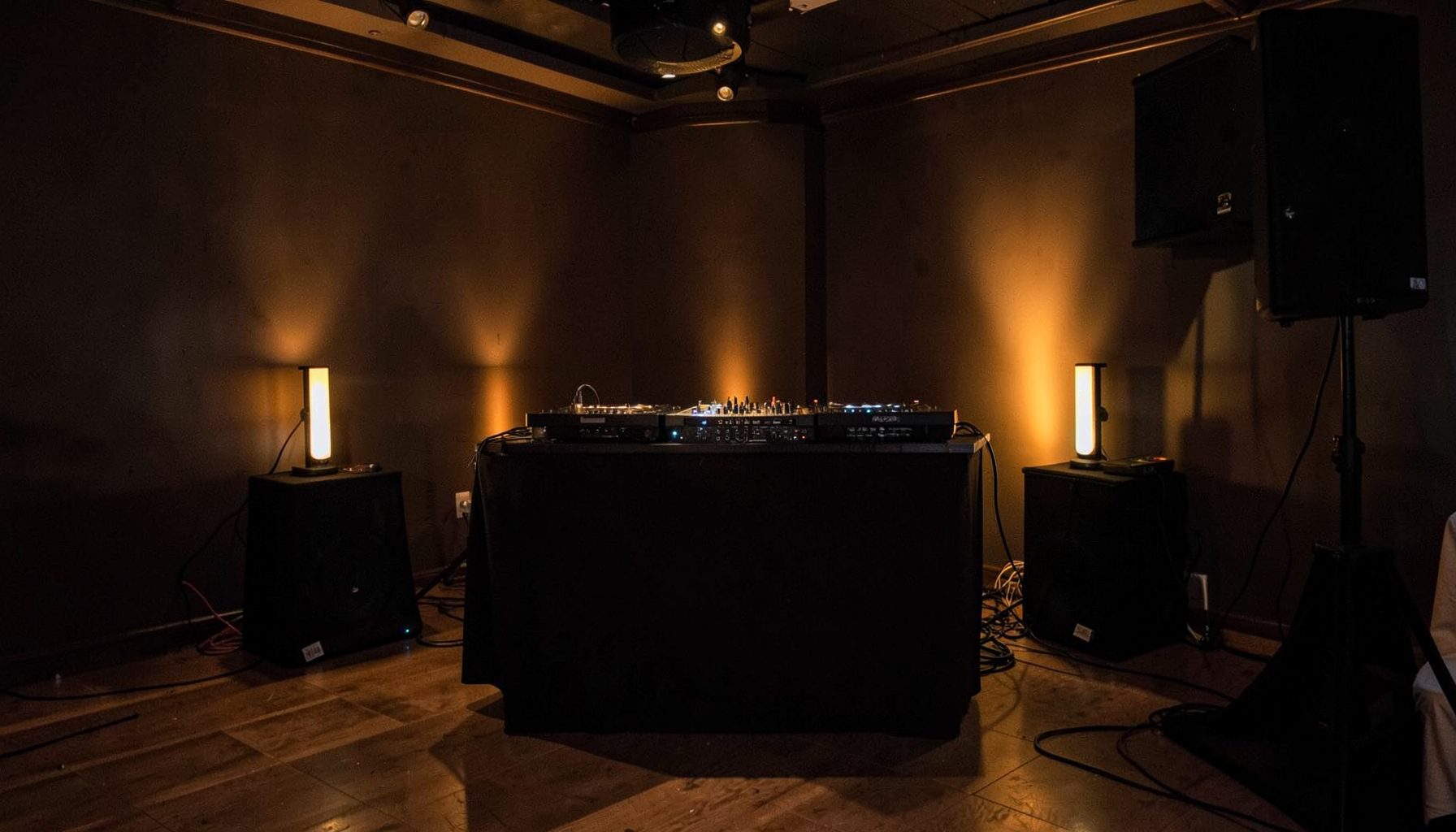
A speaker stand can look harmless, yet its feet may scratch finished wood, dent soft flooring, leave pressure marks in vinyl, or tear carpet during an event. The risk increases when stands are moved while loaded, placed on uneven surfaces, or set up without protective pads. For a mobile DJ, band, or event production company, a small equipment decision can become a property damage claim.
Whether insurance responds depends on the policy language, the cause of the damage, and the type of coverage purchased. General liability insurance may address damage to a venue’s property, but it is not an automatic promise that every mark or repair bill will be covered. Equipment insurance, business property coverage, and liability protection serve different purposes.
The safest approach is to review the policy before an event, identify exclusions that affect borrowed or rented premises, and use practical floor-protection procedures. A venue contract may also impose responsibilities that your insurance policy does not automatically accept.
What kind of coverage may apply
Commercial general liability, often called CGL, is usually the first policy examined when a mobile entertainer accidentally damages someone else’s property. A claim involving a scratched dance floor or dented hardwood could qualify as property damage caused by an occurrence, particularly when the damage results from an unexpected accident during setup or performance.
Coverage is determined by the actual wording, however. The policy may include a deductible, a limit for damage to rented premises, or exclusions involving property in the insured’s care, custody, or control. A venue may be considered rented premises for one purpose while the damaged floor falls within a limitation that applies to property being used, occupied, or controlled by the business.
Equipment insurance generally protects the entertainer’s own speakers, stands, mixers, lighting, and related gear against covered losses such as theft, fire, or accidental damage. It does not normally replace a venue’s damaged flooring. If a stand is broken and the floor is scratched in the same incident, two different coverage questions may arise under two different parts of the insurance program.
Why the incident details matter
Insurers do not evaluate every floor mark in the same way. A stand that tips over and gouges a floor is different from a heavy stand that leaves pressure impressions after sitting in one location for six hours. A liquid spill, a dragged speaker cabinet, and a missing rubber foot each create a different factual record and may trigger different policy provisions.
The venue’s condition before the event can also matter. Existing scratches or worn finish should be noted before equipment enters the room. Photographs with timestamps, a signed setup checklist, and written communication with the venue manager can help establish what happened and whether the entertainer caused the reported damage.
Responsibility may also be shared. The venue could have required a particular layout, supplied a platform, approved a stand location, or directed the crew to move equipment across the room. Those facts do not eliminate the entertainer’s obligations, but they can help the insurer assess liability rather than relying only on an allegation or repair estimate.
Coverage questions to ask before setup
An entertainer should ask an insurance professional to explain the policy in plain language, using a realistic example involving a speaker stand and finished flooring. The important issue is not whether the policy brochure says “liability coverage,” but whether the relevant insuring agreement and exclusions fit the planned work.
The following comparison can help separate common policy areas. Actual terms vary by carrier, state, business activity, endorsements, and claim circumstances.
| Policy or provision | What it may address | What it may not address |
|---|---|---|
| Commercial general liability | Third-party bodily injury or accidental property damage | Intentional damage, excluded operations, or losses beyond stated limits |
| Damage to rented premises coverage | Certain fire or property damage involving premises rented for a limited period | Every type of flooring damage, long-term use, or excluded property |
| Business equipment coverage | Theft, loss, or damage to the entertainer’s speakers and stands | Repairing the venue’s floor |
| Inland marine or mobile equipment coverage | Gear transported between locations or used away from the business premises | Liability for damage caused by the gear |
| Contractual liability provisions | Some obligations assumed under a written agreement | Broad promises that exceed covered liability or fall under an exclusion |
| Umbrella or excess liability | Additional limits above underlying liability coverage | Gaps or exclusions in the primary policy |
A certificate of insurance is useful for showing that coverage exists, but it is not a replacement for the policy. A venue may request additional insured status, primary and noncontributory wording, or a waiver of subrogation. Those requests should be reviewed with the broker because accepting contract language can affect risk without expanding the insurance policy.
Common exclusions and coverage gaps
The care, custody, or control exclusion deserves special attention. In general terms, it can restrict coverage for property that the insured is using, handling, or controlling at the time of loss. Whether it applies to a venue floor depends on the policy language and the circumstances, so an entertainer should not assume that “someone else owns it” settles the question.
Damage to premises rented to the insured may be subject to a special sublimit or narrow grant of coverage. A short event rental, a recurring venue relationship, and a long-term lease may be treated differently. Some policies may cover certain types of damage to rented premises while excluding damage caused by ordinary wear, intentional acts, or particular operations.
Contract terms can create another gap. A venue agreement might require the entertainer to pay for any damage “arising out of” the event, even when the policy would not cover every contractual promise. Signing a broad indemnity clause without review can leave the business responsible for costs that exceed insurance protection.
Ask the broker specifically about flooring damage, property in the entertainer’s care, contractual indemnification, rented premises, and damage caused by mobile equipment. Request written clarification when possible. A short conversation before the season begins is easier to manage than a dispute after a venue sends a large invoice.
Practical ways to prevent floor damage
Insurance is a financial backstop, not a substitute for careful production procedures. Speaker stands should have intact rubber feet, stable bases, and load ratings suitable for the speakers being used. Improvised supports, damaged hardware, and overloaded stands create both property and injury hazards.
Venue rules should be reviewed before arrival. Some facilities require plywood, carpet squares, approved protective mats, or a particular distance from walls and flooring transitions. A stand that is safe on concrete may need additional protection on polished wood, resilient flooring, or older carpet.
Before each event, document the setup and keep a simple record of the venue contact, floor condition, equipment placement, and any instructions received. If a stand feels unstable or the floor begins to mark, stop and correct the problem rather than waiting until teardown.
Setup habits that reduce claims
A written prevention routine can be brief enough for a solo DJ and detailed enough for a larger entertainment crew:
- Inspect stand feet, braces, pins, and bases before loading the vehicle.
- Carry clean, non-staining protective pads or platform material approved by the venue.
- Photograph the floor and final equipment placement before guests enter.
- Never drag loaded stands; unload or use proper handling assistance.
- Report any incident promptly and preserve photos, receipts, contracts, and witness details.
Crew members should know who has authority to approve a layout change. A venue coordinator may request that equipment be moved after the sound check, when speakers are already elevated. Assigning two people to reposition loaded stands can prevent a tip-over, while confirming the new location with the venue can avoid a later disagreement.
If damage is alleged, remain professional and avoid admitting legal responsibility before speaking with the insurer. Record the facts, notify the carrier according to the policy’s claim requirements, and direct formal demands or repair estimates to the appropriate claims contact. Do not discard a damaged stand or alter the scene if an inspection may be needed.
Build a stronger risk management routine
Professional associations can help entertainers treat insurance as part of business planning rather than a document requested only by venues. N.A.M.E. has served mobile entertainers nationwide since 1996, offering insurance options alongside education, consulting, certifications, marketing support, and industry resources. Entertainers who are evaluating their business protections can review membership benefits and use those resources to support a more consistent operating routine.
Insurance needs may change as a business grows. Adding uplighting, staging, photo booths, larger sound systems, subcontractors, or multiple crews can affect the description of operations and the limits that make sense. An annual review should include equipment values, event types, geographic territory, contract requirements, and the maximum realistic property damage claim.
A relationship with an insurance professional who understands mobile entertainment is valuable when a venue presents unusual requirements. N.A.M.E.’s staff and advisory board information can also help members understand the organization’s professional community and the perspectives supporting its industry work.
Review the policy before the next booking, then call the broker with a specific scenario: a loaded speaker stand leaves a mark on a venue’s floor. Ask what coverage might respond, what exclusions could apply, which limits or deductibles matter, and what documentation would be required. Pair that review with sound equipment handling and protective flooring practices so a preventable setup mistake is less likely to become a costly claim.
Get in Touch
Contact N.A.M.E. for membership inquiries, insurance questions, or general information.