

N.A.M.E. National Office
Professional Association for Mobile Entertainers
Email: office@nameentertainers.net
Mail: P.O. Box 144, Willow Grove, PA 19090
for Mobile Entertainers Get Insurance Info
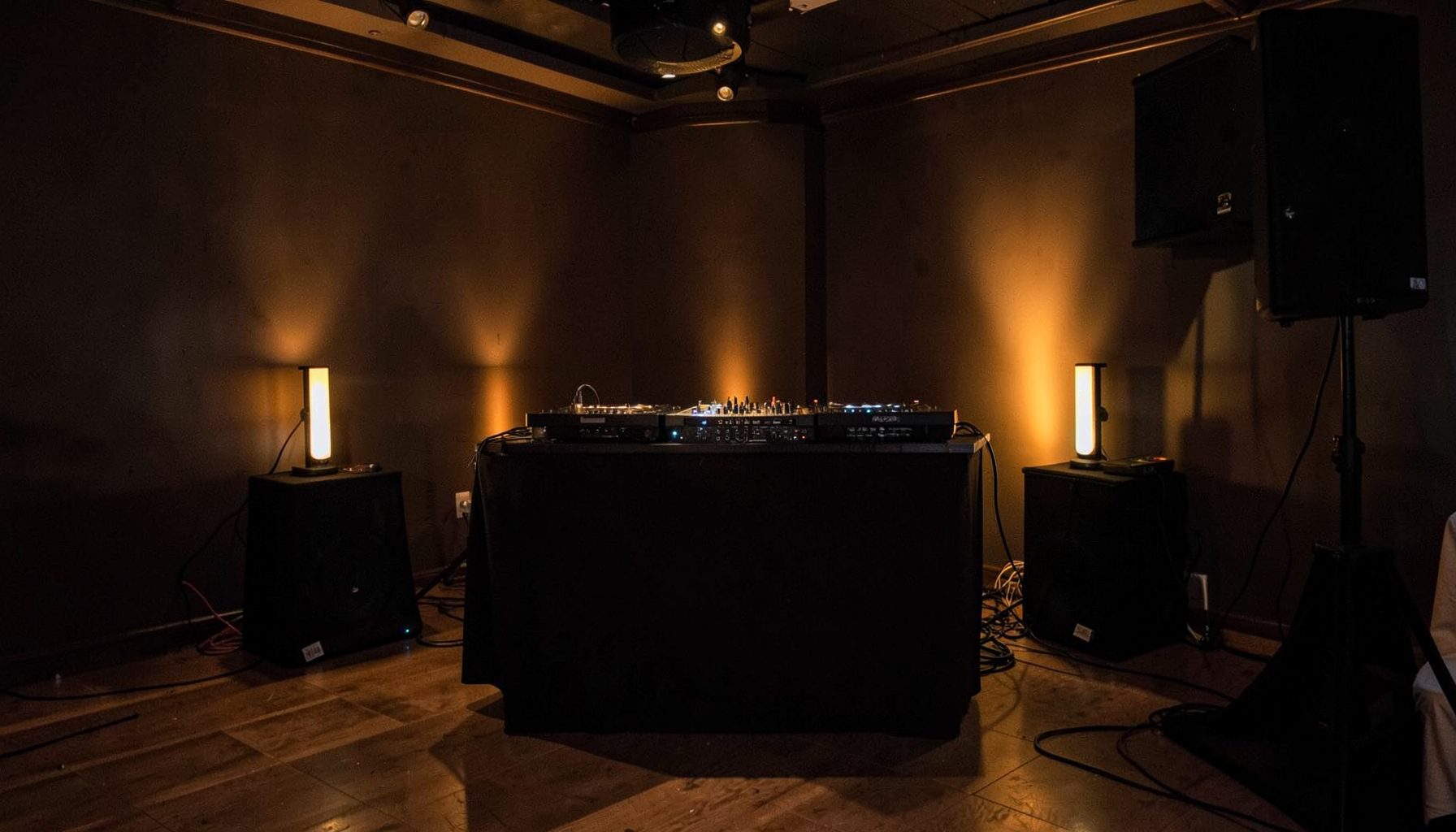
Insurance for Mobile Entertainers
N.A.M.E. partners with Brown & Brown Insurance to offer comprehensive liability and equipment coverage designed specifically for DJs, bands, photographers, and other mobile entertainers. Coverage up to $5,000,000 is available.
Learn about insurance →News & Updates
Stay informed with the latest announcements from the National Association of Mobile Entertainers, including trade show coverage, webinar updates, and member spotlights.
N.A.M.E. publishes a monthly e-newsletter via Constant Contact featuring discounts, member benefits, and upcoming industry expos.
Sign up for the newsletter →Find an Entertainer
Search the N.A.M.E. directory of DJs and mobile entertainers who have invested in their business and uphold the quality standards of the association. Members include DJs, hypnotists, photographers, bands, event planners, booking agents, theatrical groups, and comedians.
Browse the directory →What to do when an insurer asks for proof of entertainment income
Mobile entertainers work in a world of weekend weddings, regional shows, festival slots, and corporate bookings that don't follow a regular payroll pattern. When an insurer requests proof of income from your entertainment work, the request can feel intrusive, especially if your records live across spreadsheets, banking apps, and a shoebox of contracts. Australian entertainers know that entertainment income is rarely tidy: a Sydney DJ might play five gigs one month and two the next, while a Melbourne acoustic duo could spend January on the road for Tamworth-style festivals and then rely on wedding season to see them through winter.
The insurer is usually not being difficult. They are calculating risk, verifying a claim, or settling a policy dispute, and income evidence protects both sides. For the entertainer, it locks in the figures used to calculate a payout. For the insurer, it prevents overpayment and helps flag inflated claims. Knowing why the request has arrived and what level of detail is reasonable helps you respond calmly and keep your business protected.
For members of professional associations, support is usually close at hand. N.A.M.E. has long advised mobile entertainers on the paperwork side of running a business, and your accountant or industry peers can offer practical templates for tracking your earnings in a way that satisfies auditors without consuming your weekends.
In Australia, the Australian Taxation Office (ATO) treats most mobile entertainers as sole traders running a small business, which means your tax return, Business Activity Statements (BAS), and bank statements form the foundation of any proof-of-income package. Understanding how the insurer will read those documents is the first step toward a smooth response.
Why insurers request proof of income from entertainers
Insurance companies request proof of income for three main reasons. The first is to verify a claim, particularly for business interruption, loss of bookings, or income protection policies. If you have claimed that a flood damaged your gear and cost you three months of work, the insurer needs to understand what your typical income looked like before the loss to calculate a fair settlement. The second reason is policy renewal or premium adjustment, since some equipment and liability policies are priced on gross revenue and the insurer wants figures that match your current scale.
The third reason, less common but more serious, is fraud investigation. Insurers are required to look for inconsistencies, and a sudden spike in claimed income or a pattern of cash-only bookings that don't match bank deposits can raise flags. A claim verification request will focus on historical figures, a renewal request will look at recent earnings, and a fraud review will examine the consistency of your records over time.
Entertainers in regional New South Wales or Western Australia often have a harder time producing neat records because their bookings include a mix of cash, EFTPOS, agency invoices, and direct deposits. When filing a claim, your deductible interacts with how the insurer calculates the payout, which is why choosing the right deductible amount for your equipment policy is part of the same paperwork conversation.
Building a paper trail before you need it
Waiting until the insurer calls is risky. The strongest defence is a paper trail built while the work is happening. A simple spreadsheet logged weekly with the date, venue, client, gross fee, and GST collected is often enough for most requests. Pair that with a dedicated business bank account, and you have the foundation for a clear audit trail.
Australian entertainers should also keep their Australian Taxation Office correspondence organised. Notice of assessments, BAS lodgements, and any ATO-generated reports help bridge gaps if your internal records fall short. Many wedding DJs in Brisbane, for example, work through a mix of agencies and private clients, and the agency invoices confirm the work while the bank statement confirms the payment.
If you run your business through an accountant, request a profit and loss statement at the end of each quarter. That document, combined with your tax return, gives the insurer a verified view of your entertainment income over time. Building this habit before a crisis means that, when a request lands, you can respond within days rather than scrambling for receipts from three years ago.
Documents that satisfy most insurer requests
Not every document carries the same weight. Tax returns are the gold standard because they are signed declarations to the ATO and difficult to dispute later. BAS statements are useful for showing GST collected and reported, especially if the insurer wants to confirm that reported turnover aligns with your claimed income. Bank statements provide raw evidence of deposits and withdrawals but lack context, so they work best when paired with invoices or a ledger.
Contracts, booking confirmations, and emails from clients confirm that the work actually happened, which can be vital if the insurer questions a large payment from an unfamiliar source. Photographers and videographers who shoot weddings in places like the Hunter Valley or Margaret River often have years of these records, which become powerful proof of consistent activity.
| Document type | Strengths | Limitations | Best used for |
|---|---|---|---|
| Tax returns (ATO) | Verified, signed, hard to dispute | Lagging indicator, annual only | Long-term income averages, claim calculations |
| BAS statements | Shows GST turnover, regular lodgement | Quarterly snapshots, may not match cash flow | Verifying reported turnover |
| Bank statements | Raw payment evidence | Lacks context, shows net not gross | Confirming deposit patterns |
| Invoices and contracts | Proves work occurred, shows client base | Time-consuming to compile | Validating specific gigs or seasons |
| Profit and loss statements | Summarises net income clearly | Quality depends on bookkeeper | Bridging gaps between tax returns |
For most proof-of-income requests, supplying two or three of these documents is enough. Insurers rarely demand everything at once, and a tidy package that combines your tax return with a current profit and loss statement will usually answer the question.
Common challenges for Australian entertainers
Entertainment income is rarely linear. A Melbourne MC might earn a strong AUD 4,000 in December from corporate Christmas parties and then drop to AUD 1,200 in February when the calendar thins out. A Gold Coast cover band could double their income during school holiday peak seasons and barely cover costs in the off-months. These swings are normal for the industry, but they can confuse an insurer used to salaried employees.
Another challenge is the cash component. Some clients, particularly in regional areas, still prefer to pay in cash for smaller gigs. Cash income is legal and should be declared, but it complicates proof. If your bank deposits don't match your declared turnover, expect the insurer to ask questions. The solution is consistency: declare every dollar, deposit it where practical, and keep a log explaining any cash held back for petty expenses.
For seasonal entertainers, a suspension endorsement can reduce premiums during quiet months, but it also means your declared income during the active period needs to be accurate. The insurer will compare your tax returns against the schedule you supplied when you took out the policy, and any large discrepancy can lead to complications at claim time.
Negotiating when you disagree with the insurer
If you believe the insurer has misread your records or is asking for more than is reasonable, push back politely and in writing. Start by asking for clarification on exactly what they need and the specific timeframe. Many disputes arise from a misunderstanding rather than a genuine disagreement, so ask the claims manager to put the request in writing.
Next, supply the strongest evidence you have, even if it isn't exactly what was requested. A profit and loss summary supported by six months of bank statements may satisfy a request that originally asked for three years of tax returns. Be prepared to explain unusual items, such as a one-off corporate booking in Sydney that boosted your annual income by 30 percent, or a year where illness reduced your activity.
If the insurer still refuses to budge, escalate. Most insurers have an internal dispute resolution process, and a complaint to the Australian Financial Complaints Authority (AFCA) is a free next step if the matter cannot be resolved directly. Keep copies of every email, letter, and phone-call note. Professional associations can also write support letters explaining industry norms, which sometimes helps the insurer understand unusual income patterns.
Quick steps when responding to a proof-of-income request:
- Acknowledge the request in writing within five business days
- Clarify the exact scope: which years, which income types, what format
- Supply your tax returns and most recent profit and loss statement first
- Explain any unusual items with a short cover letter
- Request written confirmation if the insurer extends the deadline
- Escalate to AFCA if a fair outcome cannot be reached
Document preparation checklist before sending anything:
- Tax returns for the relevant periods, signed and dated
- BAS lodgement records matching your tax figures
- Bank statements highlighting entertainment-related deposits
- A profit and loss statement prepared by your accountant
- A list of any cash income with a brief explanation
- Copies of key contracts or invoices for large or unusual bookings
For entertainers across Sydney, Brisbane, Adelaide, Perth, and the regional circuits, dealing with proof-of-income requests becomes routine once the right habits are in place. Keep your records tidy throughout the year, work with an accountant who understands the entertainment industry, and remember that the insurer is looking for consistency rather than perfection. If you hit a wall, lean on your professional association and the Australian Financial Complaints Authority to keep the conversation fair. Visit N.A.M.E. today to access member resources, insurance guidance, and a directory of fellow mobile entertainers who have navigated the same paperwork maze.
Get in Touch
Contact N.A.M.E. for membership inquiries, insurance questions, or general information.