

N.A.M.E. National Office
Professional Association for Mobile Entertainers
Email: office@nameentertainers.net
Mail: P.O. Box 144, Willow Grove, PA 19090
for Mobile Entertainers Get Insurance Info
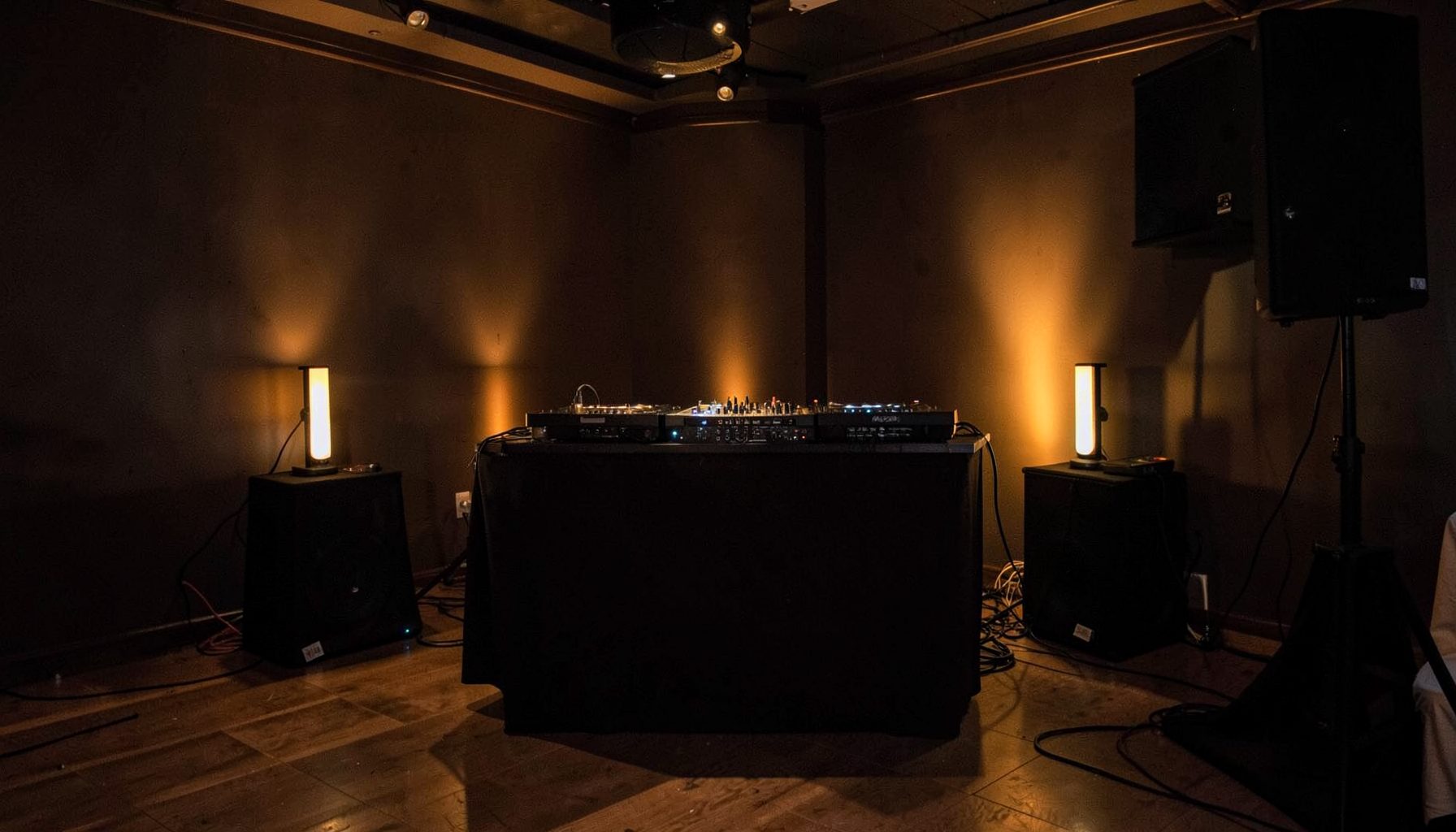
Insurance for Mobile Entertainers
N.A.M.E. partners with Brown & Brown Insurance to offer comprehensive liability and equipment coverage designed specifically for DJs, bands, photographers, and other mobile entertainers. Coverage up to $5,000,000 is available.
Learn about insurance →News & Updates
Stay informed with the latest announcements from the National Association of Mobile Entertainers, including trade show coverage, webinar updates, and member spotlights.
N.A.M.E. publishes a monthly e-newsletter via Constant Contact featuring discounts, member benefits, and upcoming industry expos.
Sign up for the newsletter →Find an Entertainer
Search the N.A.M.E. directory of DJs and mobile entertainers who have invested in their business and uphold the quality standards of the association. Members include DJs, hypnotists, photographers, bands, event planners, booking agents, theatrical groups, and comedians.
Browse the directory →How To Get A Certificate Of Insurance For A Birthday Party Client
A private birthday party may look like a straightforward booking, but clients and venues often want proof that the entertainment business is properly insured before the event goes ahead. A certificate of insurance confirms that a current policy exists and summarises important details such as the insured business, cover type, policy period and liability limit.
For mobile DJs, bands, photographers, MCs and other event professionals in Australia, this document can be the difference between a smooth booking and a last-minute administrative problem. The process is usually simple when your public liability policy is active and your client provides accurate information about the party, venue and requested certificate holder.
Understand What The Certificate Proves
A certificate of insurance, often called a certificate of currency in Australia, is evidence of insurance at a particular point in time. It normally identifies the insured person or business, the insurer, the policy number, the period of cover and the relevant liability limit. It may also state the classes of work covered, such as mobile entertainment or event photography.
The certificate does not replace the full insurance policy. It does not expand cover, remove exclusions or guarantee that every incident will be paid. If a client asks for a certificate, they are usually seeking reassurance that you hold public liability insurance, rather than asking to read every term and condition in the policy.
For a birthday booking, public liability is usually the most relevant protection. It may respond to claims involving third-party injury or property damage connected with your business activities, subject to the policy wording. For example, a guest could trip over a cable, a speaker could damage a venue wall, or equipment could fall and cause an injury.
Confirm The Client And Venue Details
Start by asking exactly who needs the document and why. A private client may simply want confirmation before paying a deposit, while a function centre, council venue or community hall may require the venue owner or operator to be named as an interested party. These are different administrative requests and should be explained clearly to your insurer or membership provider.
Collect the legal name of the insured business, the trading name, the party date, the venue name and address, and a short description of your role. A booking in a backyard in Brisbane may need different information from a reception at a Sydney hotel or a children’s party in a hired Melbourne community hall. Include whether you will supply equipment, operate lighting, provide performers or subcontract another entertainer.
Check spelling carefully, particularly when a venue has a formal company name that differs from its public brand. Australian venues may also ask for the certificate several weeks before an event, especially during busy periods around school holidays, Christmas functions or long weekends. A correct first request helps avoid delays and repeated emails.
Request The Document Through Your Insurer
Contact the insurer, broker or association programme that arranged your cover. Many providers offer an online request form, email service or member portal. State that you need a certificate of currency or certificate of insurance for a private birthday event and provide the complete details gathered from the client and venue.
Ask whether the certificate can show the venue as an interested party or noted party. Do not ask to add an organisation as an “additional insured” unless the insurer confirms that this wording is available and appropriate under Australian law and the policy. The terminology differs between insurance products, and an informal promise to a client cannot alter the insurer’s contract.
Allow enough time for processing. A straightforward certificate may be issued quickly, but requests involving additional wording, unusual activities, high-risk equipment or a large public venue can require underwriting review. If you belong to a professional association, its member benefits may include access to insurance options, business support and guidance on handling routine documentation.
Check The Policy Matches The Booking
Before sending the certificate to the client, compare it with the actual work you have agreed to perform. A DJ who is insured for playing recorded music may need to check whether the same policy covers dry-hire equipment, fireworks, temporary structures, children’s activities or subcontracted performers. A photographer should confirm that the insured business description reflects photography services rather than relying on a generic event label.
Pay attention to dates and limits. The party must fall within the policy period, and the liability limit should meet any venue requirement. In Australia, a venue may request $10 million or $20 million in public liability, while smaller private bookings may not specify an amount. Never assume that a client’s requested limit is automatically included; ask the insurer whether an adjustment is possible before accepting the booking.
You should also confirm that the certificate reflects the correct Australian business details, such as your registered business name or sole trader name and ABN where relevant. If you operate through a company, the company named on the certificate should match the entity signing the contract and receiving payment. This consistency matters when a claim or contract dispute arises.
Send It Securely And Keep Records
Once issued, send the certificate as a PDF from your business email, ideally with a short note stating the event date, venue and services covered. Avoid editing the certificate yourself. If a client asks you to change wording, logos or dates, send the request back to the insurer rather than creating an unofficial version.
Keep the request, the insurer’s response, the final certificate and the client’s acknowledgement with the booking file. Store the records securely in your accounting or event-management system, with access limited to people who need them. Retain the documents according to your business record-keeping practices and any advice from your accountant or insurer.
A current certificate can support professional trust, particularly in competitive markets such as Sydney, Melbourne, Brisbane, Perth and Adelaide. It also helps demonstrate that you run your entertainment business seriously when approaching hotels, surf clubs, sporting clubs, school communities and local councils. Industry updates and practical business information can be delivered through the member newsletter, which may help you stay aware of changing expectations.
Practical Checks Before You Send The Certificate
Use the following checklist for a private birthday booking:
- Confirm the exact legal name and address of the venue, client or organisation requesting the document.
- Check that the event date sits within the policy period and that your services are included.
- Ask whether the requesting party needs to be listed as an interested party or requires specific wording.
- Verify the requested public liability limit, such as $10 million or $20 million.
- Review the PDF for spelling, business-name, ABN and contact-detail errors.
- Save the certificate and related correspondence with the signed booking agreement.
A certificate of insurance should be part of a wider booking process rather than a substitute for one. Use a written agreement covering the performance time, access, power, payment schedule, cancellation terms, equipment responsibilities and venue rules. In Australia, also clarify who is responsible for electrical access, weather protection for outdoor events and safe placement of leads around guests.
If the party is held in a public park, council facility or strata-managed property, check the local requirements early. Councils may impose separate conditions for amplified music, temporary structures or commercial activity, and a certificate alone does not provide permission to use a site. For events involving alcohol, children or hired marquees, confirm any additional responsibilities with the client, venue and relevant authorities.
When the certificate has been delivered, follow up with a simple written record that the recipient received it. Keep the original file unchanged and use a clearly labelled copy for routine sharing. If the booking changes from a private home party to a larger public event, update the insurer rather than assuming the original certificate remains suitable.
Make certificate requests part of your standard workflow: collect the details when the deposit is accepted, submit the request promptly, review the document on arrival and attach it to the event file. Professional associations such as N.A.M.E. can help mobile entertainers access education, networking, insurance options and business resources that support this process. Start with your current policy documents and contact the relevant provider before promising a client that a particular certificate wording or liability limit can be supplied.
Get in Touch
Contact N.A.M.E. for membership inquiries, insurance questions, or general information.