
N.A.M.E. National Office
Professional Association for Mobile Entertainers
Email: office@nameentertainers.net
Mail: P.O. Box 144, Willow Grove, PA 19090
for Mobile Entertainers Get Insurance Info
Insurance for Mobile Entertainers
N.A.M.E. partners with Brown & Brown Insurance to offer comprehensive liability and equipment coverage designed specifically for DJs, bands, photographers, and other mobile entertainers. Coverage up to $5,000,000 is available.
Learn about insurance →News & Updates
Stay informed with the latest announcements from the National Association of Mobile Entertainers, including trade show coverage, webinar updates, and member spotlights.
N.A.M.E. publishes a monthly e-newsletter via Constant Contact featuring discounts, member benefits, and upcoming industry expos.
Sign up for the newsletter →Find an Entertainer
Search the N.A.M.E. directory of DJs and mobile entertainers who have invested in their business and uphold the quality standards of the association. Members include DJs, hypnotists, photographers, bands, event planners, booking agents, theatrical groups, and comedians.
Browse the directory →Event Coverage For Uplighting And Pinspotting Services
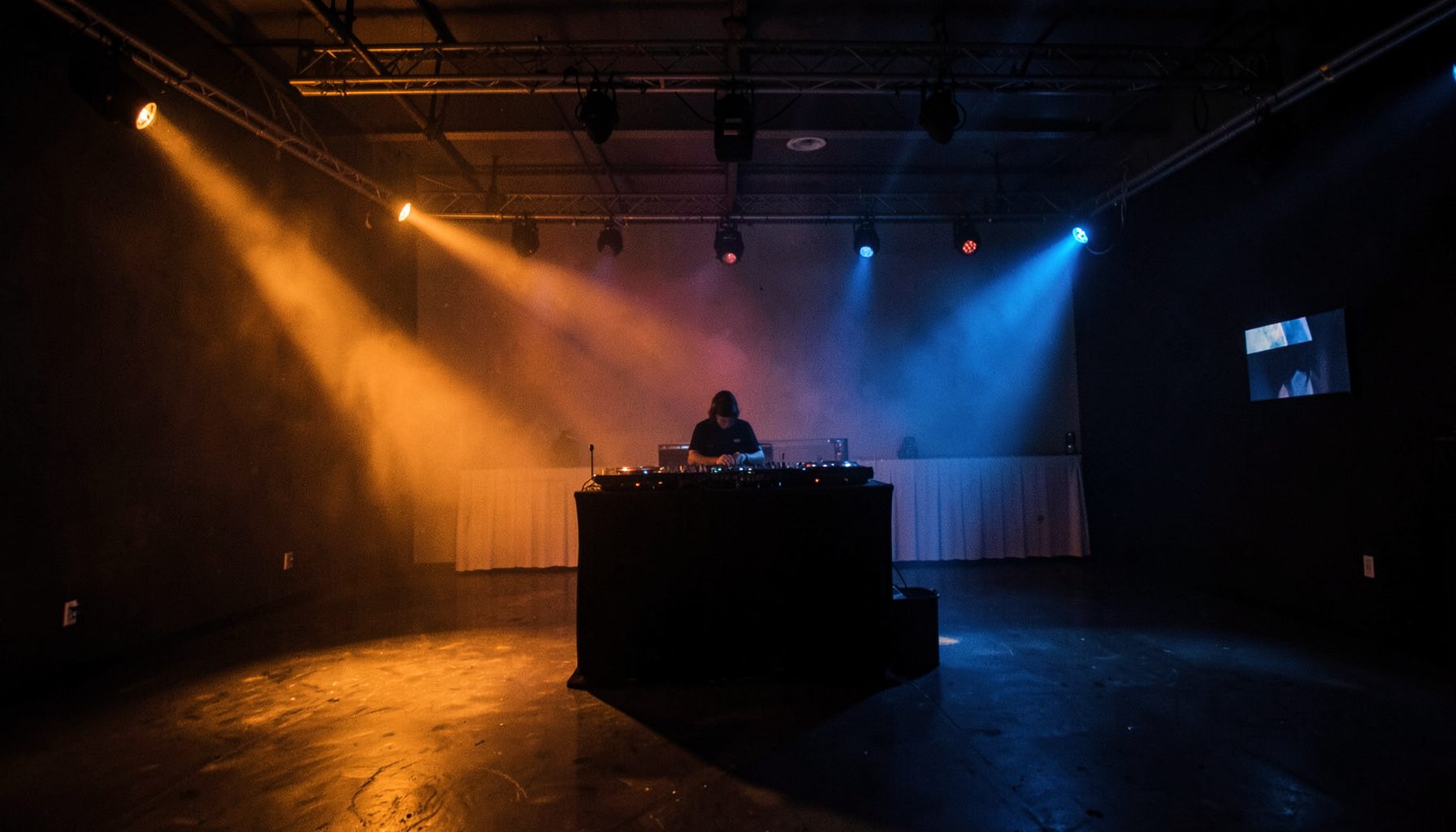
Uplighting and pinspotting can transform a reception, product launch or awards night. They can also create insurance exposures that are easy to overlook. A lighting operator may be carrying valuable equipment, running cables across a venue, working around guests and attaching fixtures to structures controlled by someone else. Learn more about Insuring Your Mobile Dj Trailer Or Tow Behind Sound System 5bf4c8.
For mobile entertainers in Australia, the right protection usually starts with public liability insurance and equipment cover. However, the useful answer is found in the policy wording, endorsements, exclusions and limits—not simply in the name printed on an insurance certificate.
A DJ, event stylist or lighting technician may work at a hotel in Melbourne one weekend and a marquee near Byron Bay the next. Each venue can impose different requirements for certificates of currency, electrical safety, contractor access, rigging and damage to property in care, custody or control.
N.A.M.E. has supported mobile entertainers since 1996 through insurance options, education, consulting and business resources. Its directory and professional community can also help entertainers present a more complete and credible risk profile when dealing with venues and clients.
Why Lighting Events Need Specific Protection
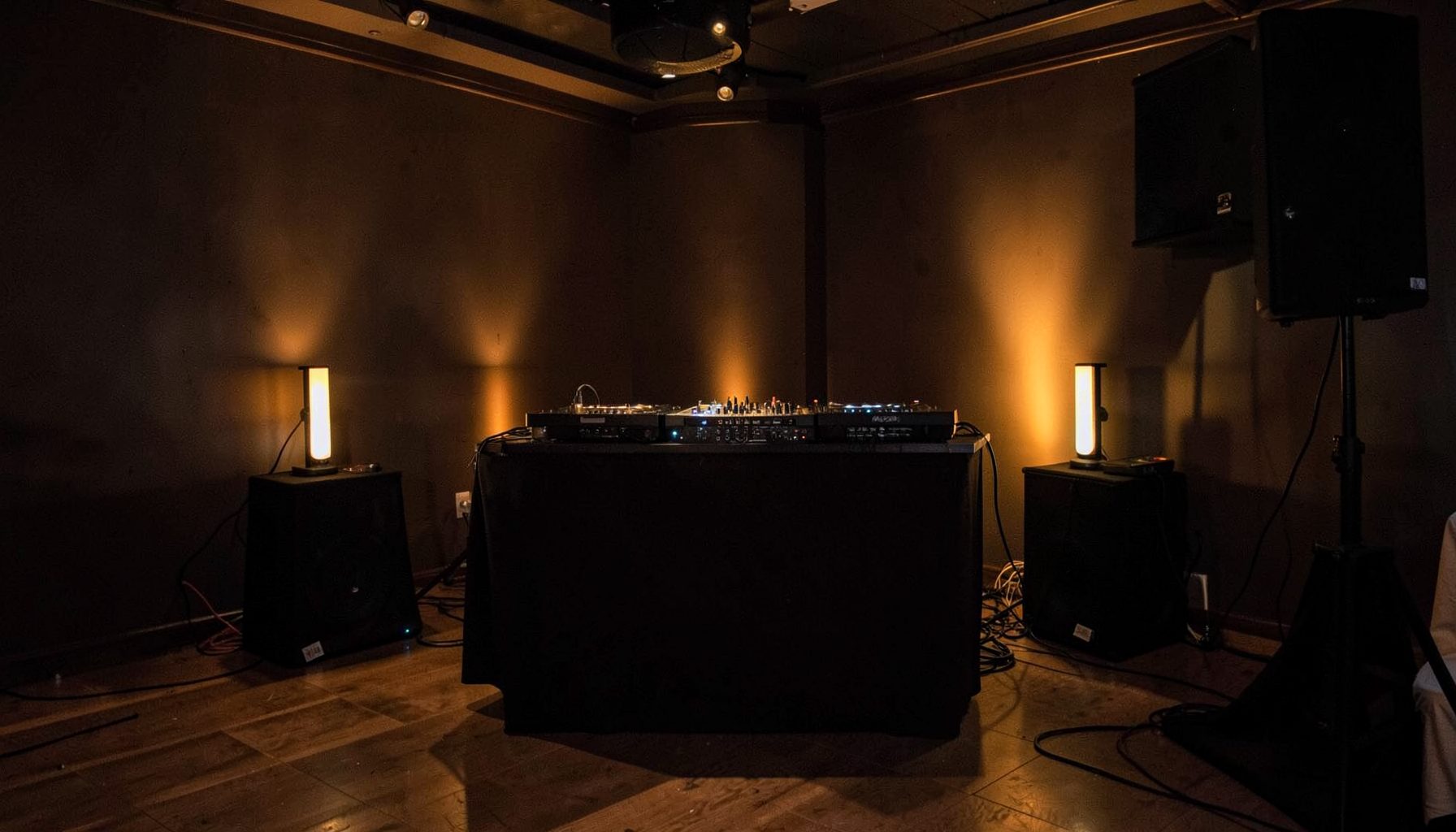
Uplighting normally involves battery or mains-powered fixtures positioned around walls, stages, bars and dance floors. Pinspotting is more targeted: narrow beams may highlight a cake, floral arrangement, centrepiece or performer. Both services involve equipment placement in public areas, power management and careful coordination with other suppliers.
A guest could trip over an unprotected cable, a light could fall from an unstable stand, or a hot fixture could damage a drape. A beam directed into a performer’s eyes may create a safety complaint, while a faulty power supply could damage venue property or interrupt an event. These incidents can lead to legal defence costs, repairs, medical expenses or demands for compensation.
Public liability is generally aimed at injury to third parties and damage to third-party property arising from your business activities. It does not automatically cover every loss involving your own lighting inventory. Equipment insurance, accidental damage cover, theft protection and transit cover may need to be considered separately.
Map The Work Before Seeking A Quote
Write down exactly what you provide. Include LED uplights, pinspots, stands, clamps, batteries, power distribution, extension leads, wireless controllers, cases and transport. State whether you only place equipment at floor level or also attach fixtures overhead, to trusses, walls or venue structures.
This distinction matters. Some insurers treat basic event lighting as a lower-risk service, while suspended equipment, ladders, elevated work and rigging may require special approval. If a venue’s in-house technician, licensed rigger or production company handles the overhead installation, document that division of responsibility.
Your operating pattern also affects the risk assessment. An entertainer travelling from an Adelaide warehouse to regional South Australia may face long transport distances, outdoor weather and limited replacement options. A Sydney operator working in hotels may face stricter loading-dock rules, busy guest areas and venue contracts requiring a specific liability limit.
Ask for written confirmation that the proposed policy covers setup, pack-down, testing, operation, transport and storage. If you offer dry-hire equipment, subcontract installation or bundle lighting with DJ services, disclose that arrangement rather than assuming it is automatically included.
Keep Evidence For Every Event
Create an event file containing the signed agreement, venue instructions, floor plan, equipment list and photographs taken before guests arrive. Images should show cable paths, fixture positions, stands, clamps and the condition of nearby walls, floors and décor. A short pre-event checklist can demonstrate that you inspected the work area and addressed obvious hazards.
Use cable ramps or secure covers where appropriate, keep walkways clear and separate power leads from areas exposed to drinks or wet weather. Inspect stands, clamps, plugs, batteries and casings regularly. Retain service records and receipts, especially for higher-value fixtures and controllers.
For Australian business administration, record the client’s legal name, ABN where relevant, venue contact and the person authorised to approve changes. If an event is postponed because of a wet forecast, keep the written messages. Good records can clarify what was agreed and when responsibility moved between suppliers.
When clients, guests or venue staff provide personal details, handle them carefully and only collect what is needed. N.A.M.E.’s privacy policy provides a useful example of the type of information-handling framework a professional organisation may publish.
Read The Policy Wording Carefully
Start with the public liability section. Check the limit of indemnity, territorial scope, applicable excess and whether legal costs are inside or outside the stated limit. Confirm that event entertainment, mobile DJ work, decorative lighting and pinspotting are described accurately.
Then examine exclusions. Common areas requiring clarification can include faulty workmanship, contractual liability, hired or borrowed equipment, damage to property in your care or control, gradual damage, electrical faults, water exposure and unauthorised rigging. An exclusion does not necessarily make a policy unsuitable, but you need to know how it applies to your actual work.
Equipment cover should be tested against realistic scenarios. Ask whether items are covered at home, in a vehicle, in a trailer, at a venue and while being loaded or unloaded. Confirm whether theft requires forced entry, whether unattended vehicles are restricted, and whether replacement is based on current value, agreed value or new-for-old terms.
A useful example of the transport risk is an insured mobile DJ trailer or tow-behind sound system. The same principles may apply to a lighting trailer: security requirements, declared equipment values and overnight storage arrangements can influence whether a theft claim is accepted.
Prepare For Contracts And Claims
Australian venues may request a certificate of currency before allowing a supplier onsite. The document should reflect the insured business name and current policy period, but it does not replace reading the policy. If a council venue, hotel group or corporate client requests an interested party or particular liability limit, send the request to the insurer or broker before accepting the job.
Do not promise that a venue, client or subcontractor is covered under your policy unless the insurer confirms it. A contract may ask you to accept broad responsibility for venue property, consequential loss or cancellation costs. Have unusual clauses reviewed before signing, particularly where you are taking possession of expensive décor, staging or electrical equipment.
If an incident occurs, protect people first, notify the venue and preserve evidence. Avoid admitting liability or agreeing to pay for damage before speaking with the insurer. Record names, times, photographs, witness details, weather conditions and the steps taken after the incident.
If equipment disappears from a trailer or storage site, report the matter promptly to police and the insurer. A practical guide to handling a stolen trailer claim illustrates why inventories, serial numbers, purchase records and security evidence matter.
Compare Cover For Your Actual Setup
Insurance options can look similar until you compare their response to a specific lighting job. A low premium may reflect a lower limit, a high excess, narrow territory or an exclusion for the activity you perform most often. Ask for answers in writing and keep the quotation, schedule, endorsements and certificate together.
| Cover type | What it may respond to | Key points to verify |
|---|---|---|
| Public liability | Injury to guests or damage to venue property caused by your operations | Limit, event activities, cable risks and venue requirements |
| Equipment cover | Theft, accidental damage or loss affecting your own fixtures and controls | Location, transit, unattended vehicle rules and valuation |
| Hired equipment cover | Damage to lighting or production gear rented from another party | Whether hired items are included and for how long |
| Transit cover | Loss or damage while equipment travels to or from an event | Loading, unloading, trailers and overnight stops |
| Business interruption or replacement hire | Some extra costs after insured equipment is damaged | Waiting periods, limits and evidence of lost bookings |
| Professional liability | Certain claims about advice, design or professional services | Whether your lighting consultation falls within the definition |
A separate risk-management resource such as Guranslife guidance may also help you think about broader business routines, but it should not be treated as a substitute for an insurance policy or advice from an authorised Australian professional.
Before choosing cover, compare the policy schedule with your inventory and standard booking agreement. If you regularly work at venues in Queensland, Victoria, New South Wales or Western Australia, check that the insurer accepts the locations and activities involved. For interstate or touring work, confirm territorial limits rather than relying on an assumption that “nationwide” has the same meaning in every policy.
Practical Steps For Better Protection
- List every lighting service, including floor-level uplighting, pinspotting, dry hire and overhead installation.
- Record replacement values, serial numbers and photographs for fixtures, stands, cables, cases and controllers.
- Ask whether public liability covers setup, pack-down, transport, testing and operation at Australian venues.
- Confirm requirements for hired equipment, property in your care, custody or control and damage to venue fixtures.
- Use written venue approvals for clamps, trusses, cable routes, power access and outdoor installations.
- Keep certificates, contracts, risk assessments, receipts and incident records in one accessible event file.
- Review cover after buying equipment, adding services, hiring staff or taking bookings outside your usual state.
A well-prepared insurance application gives the provider a clearer picture of the work and reduces the chance of an unpleasant surprise after an incident. N.A.M.E. members can also use business education, consulting, webinars and industry resources to build stronger operating procedures alongside their insurance arrangements.
When your next booking involves a ballroom in Brisbane, a winery near Adelaide or a coastal marquee on the Mornington Peninsula, check the policy before the van is loaded. Contact N.A.M.E. to explore available member benefits, insurance options and professional resources for mobile entertainers providing lighting and event services.
Get in Touch
Contact N.A.M.E. for membership inquiries, insurance questions, or general information.