
N.A.M.E. National Office
Professional Association for Mobile Entertainers
Email: office@nameentertainers.net
Mail: P.O. Box 144, Willow Grove, PA 19090
for Mobile Entertainers Get Insurance Info
Insurance for Mobile Entertainers
N.A.M.E. partners with Brown & Brown Insurance to offer comprehensive liability and equipment coverage designed specifically for DJs, bands, photographers, and other mobile entertainers. Coverage up to $5,000,000 is available.
Learn about insurance →News & Updates
Stay informed with the latest announcements from the National Association of Mobile Entertainers, including trade show coverage, webinar updates, and member spotlights.
N.A.M.E. publishes a monthly e-newsletter via Constant Contact featuring discounts, member benefits, and upcoming industry expos.
Sign up for the newsletter →Find an Entertainer
Search the N.A.M.E. directory of DJs and mobile entertainers who have invested in their business and uphold the quality standards of the association. Members include DJs, hypnotists, photographers, bands, event planners, booking agents, theatrical groups, and comedians.
Browse the directory →Insurance Planning For A Large Dance Floor And Single Entrance
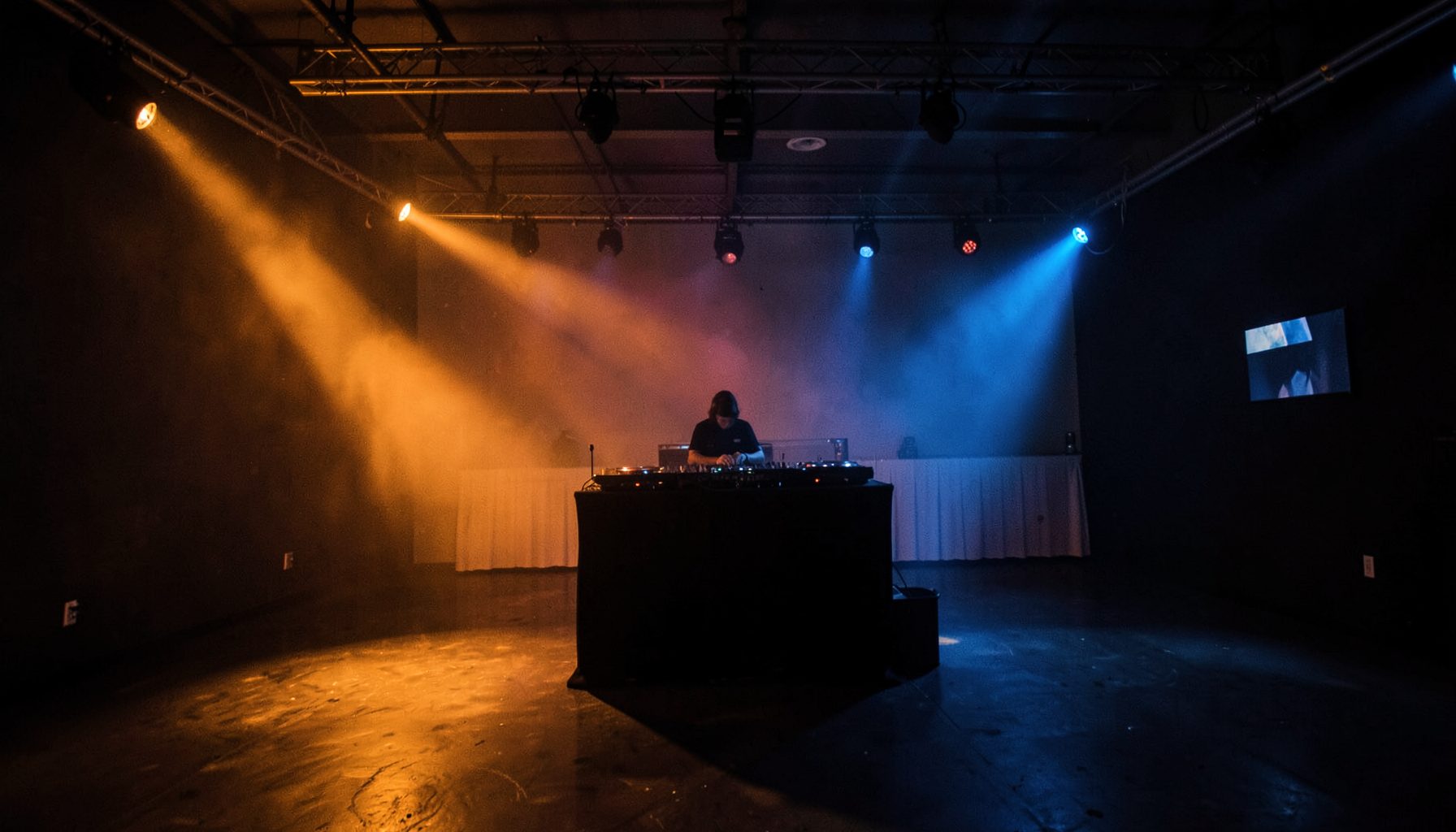
A large dance floor can transform a wedding, festival, school formal or corporate function, yet it also changes the event’s risk profile. High-energy movement, crowded access points, temporary equipment, alcohol service and limited evacuation routes all need to be considered before an insurer confirms suitable cover. A single entrance does not automatically make an event uninsurable, but it does require careful planning and clear documentation.
In Australia, the organiser may need to satisfy a venue, council, landlord, caterer or production supplier before the event can proceed. Public liability insurance is often requested as evidence that third-party injury or property damage has been considered. Professional guidance from an industry body such as N.A.M.E. can help mobile entertainers understand insurance options alongside broader business responsibilities.
Assess The Venue And Crowd Arrangement
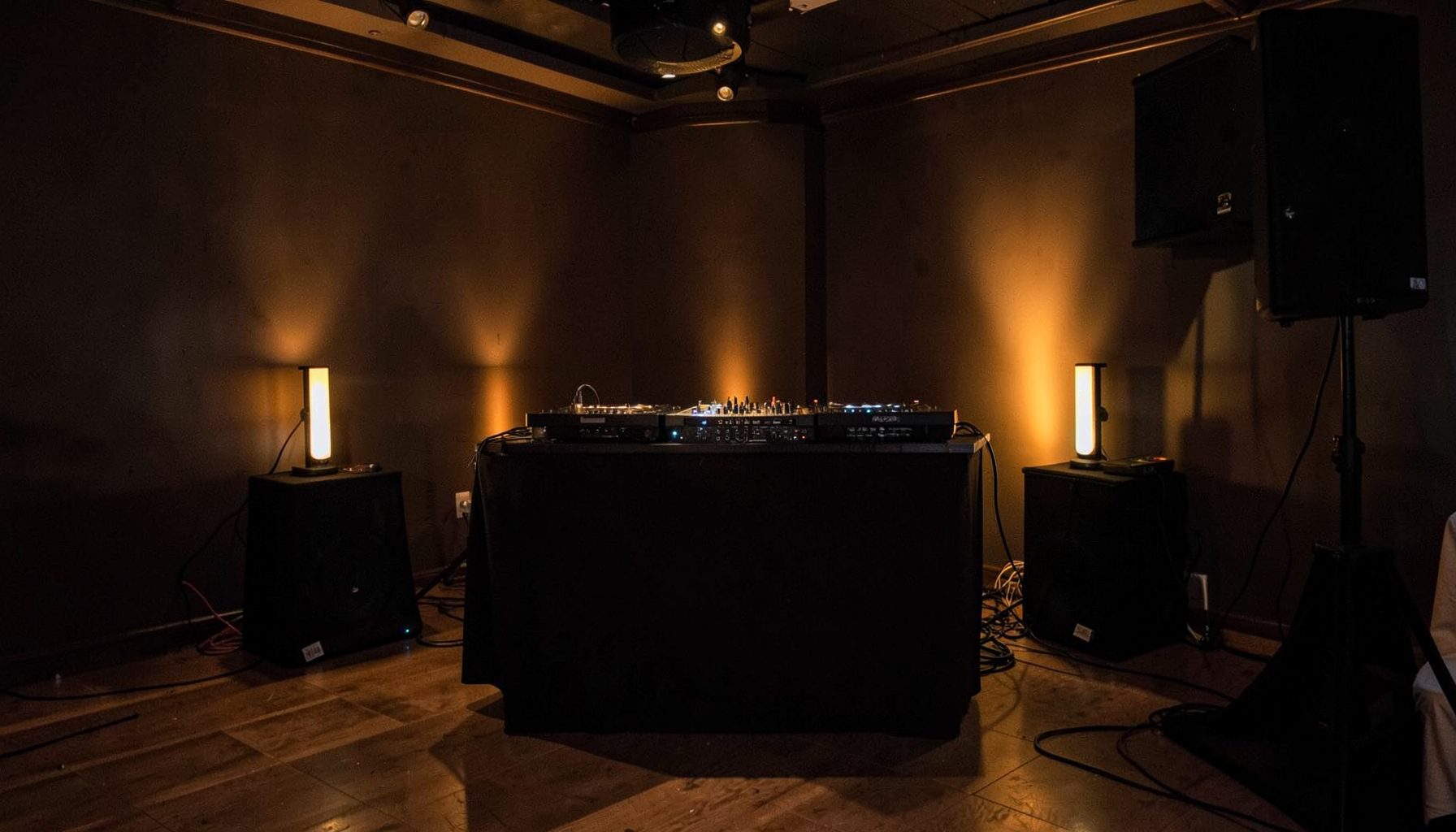
Start by recording the essential facts about the site. Note the dance floor dimensions, maximum occupancy, entrance width, ceiling height, stage position, exits, emergency lighting, power supply and the location of bars, food stations and furniture. A floor that comfortably accommodates 100 people may become hazardous when a DJ booth, speakers, photographer and cocktail tables reduce the available circulation space.
A single entrance should be treated as a key risk factor rather than a minor venue detail. Ask the venue manager how many people may occupy the room, whether the entrance is also the emergency exit, and whether doors can open freely during the event. If there are alternative exits, they should remain unlocked, unobstructed and clearly signed. Do not promise an insurer that a venue has adequate egress until its manager or fire-safety consultant confirms it.
Australian requirements can differ between jurisdictions and councils. A function in Sydney may involve venue conditions set by the local council and fire authority, while a regional Victorian venue may apply different occupancy or temporary-structure procedures. The insurer will generally expect the organiser to comply with applicable building, workplace health and safety, liquor and emergency-management rules rather than relying on insurance to replace them.
Choose Cover That Matches The Event
For most public or private functions, public liability insurance is the starting point. It may respond when a guest, supplier or member of the public suffers bodily injury or property damage connected with the insured business or event. A dance floor, lighting rig, speakers, cables and staging should be disclosed because each can affect the assessment of risk.
Ask whether the policy covers the specific insured entity, date, venue and activities. An entertainer’s annual policy may cover their performance services and equipment but may not insure the event organiser, venue owner, caterer or event company. Conversely, an organiser’s event policy may not automatically cover hired sound equipment, cancellation losses or the negligence of independent contractors.
Consider these policy features before selecting a limit or relying on a certificate:
- Public liability for guest injury and third-party property damage
- Equipment cover for owned, hired or transported sound and lighting gear
- Cover for temporary structures, staging, dance floors and marquees
- Cancellation or postponement protection where available and appropriate
- Legal defence costs, policy excesses and geographic restrictions
- Conditions applying to alcohol, security staff, subcontractors and crowd size
An insurer may ask for the event plan, risk assessment, supplier agreements, venue contract and evidence of qualified contractors. Give accurate information about expected attendance, whether alcohol is sold or supplied, the type of music, the age of guests and the way the single entrance will be managed. Understating the crowd or omitting alcohol service can create serious problems when a claim is assessed.
Manage The Single Entrance Before Guests Arrive
A controlled entrance is central to both safety and insurance evidence. Allocate a responsible person to monitor capacity, keep the doorway clear and coordinate with venue staff. If tickets or invitations are used, the entry process should prevent crowding around the dance floor. For larger functions, consider separate points for guests, performers, suppliers and emergency access where the venue permits it.
The entrance should have adequate lighting, a stable walking surface and no trailing cables. Speakers, flight cases and lighting stands should be positioned away from doorways and protected from accidental impact. A non-slip dance floor is particularly important when guests may track rain indoors, spill drinks or dance in formal shoes. In Melbourne or Hobart, wet weather can make the route from a car park to the entrance a material part of the risk assessment.
Crowd management needs to account for Australian event customs. Weddings may include a formal bridal entrance, speeches that bring guests away from their tables, and a late-evening surge onto the floor. At a summer event in Brisbane or Perth, heat, hydration and ventilation can influence behaviour and medical risk. If alcohol is available, confirm who holds the liquor licence, who monitors service and whether RSA-trained staff are required under the relevant state rules.
Useful controls for a crowded dance area include:
- A written maximum occupancy and a method for counting arrivals
- A clear, unobstructed route from the floor to every approved exit
- Cable covers or overhead cable management in guest traffic areas
- A trained first-aid contact and an incident-reporting procedure
- Security or venue staff for capacity, conflict and intoxication concerns
- A pause or evacuation procedure understood by the DJ and event manager
Professional advice can be valuable when an unusual layout needs to be explained to an insurer. The N.A.M.E. advisory board brings industry experience that may help entertainers identify practical questions about equipment, contractors and event operations, although the final policy interpretation must come from the insurer or broker.
Gather Documents And Confirm Policy Conditions
Request a certificate of currency after the insurer accepts the risk, then check every detail rather than filing it unread. The named insured should be correct, the policy period should include bump-in and bump-out, and the venue should be listed as an interested party or additional insured if the contract requires that arrangement. A certificate is evidence of cover; it does not change exclusions or expand the policy wording.
Keep the venue agreement, floor plan, risk assessment, supplier certificates, equipment hire records and emergency contacts together. If the venue demands a particular liability limit, such as AU$10 million or AU$20 million, ask the broker to confirm whether the policy meets that exact requirement. A higher limit is not a substitute for complying with occupancy restrictions or maintaining safe access.
Use this comparison when discussing different insurance arrangements with a broker:
| Arrangement | Commonly suited to | Important checks |
|---|---|---|
| Annual entertainer policy | DJs, bands and mobile entertainment businesses working at multiple venues | Confirm public liability, equipment, subcontractors and the type of event activity |
| Single-event policy | A one-off wedding, party, fundraiser or corporate function | Check date, bump-in period, venue requirements, alcohol and cancellation terms |
| Venue or organiser policy | An event company or venue coordinating several suppliers | Confirm who is insured and whether contractors must carry their own cover |
| Equipment insurance | Businesses owning or hiring valuable audio, lighting or production gear | Check theft, transit, accidental damage, hired equipment and security conditions |
| Combined event package | Larger functions involving several activities and suppliers | Review exclusions, liability limits, weather provisions and professional services wording |
Insurance is only one part of the control system. A venue may require a safety plan, electrical test-and-tag records, public performance permissions or evidence that temporary installations were completed by competent people. Music licensing, liquor compliance and food-safety obligations can also sit with different parties, so assign each responsibility in writing.
Review The Plan With The Right People
Contact the insurer or broker early, ideally before signing a non-refundable venue contract. Describe the floor size, expected attendance, entry arrangement, event location, entertainment, equipment and alcohol service in plain language. Ask specifically whether a single entrance, temporary dance floor, outdoor overflow area or hired production equipment triggers an exclusion or special condition.
The organiser should also speak with the venue manager and key suppliers. Confirm who controls the room, who has authority to stop entry, who calls emergency services and who manages an evacuation. A DJ should know where the microphone or announcement system is available, while the photographer and band should keep cases and personal equipment out of access routes.
For tailored questions about membership resources, insurance options or professional support, use the N.A.M.E. contact team before the event date. An association can help identify relevant industry resources, while a licensed insurance professional remains responsible for explaining the policy, limits, exclusions and claims process.
Before opening the doors, complete a final walk-through. Remove unused furniture, test emergency lighting, inspect the dance surface, secure cables, verify the attendance count and make sure the designated entrance and exits match the approved plan. Record any change from the original layout and tell the venue and insurer when the change could affect safety or the policy conditions.
Arrange the appropriate cover before advertising the function or accepting final payments. Provide the insurer with honest event details, obtain the required certificate of currency and keep the risk documents accessible to the person managing the room. With the insurance, venue controls and crowd plan aligned, a large dance floor can remain a feature of the event without turning the single entrance into an avoidable liability.
Get in Touch
Contact N.A.M.E. for membership inquiries, insurance questions, or general information.