
N.A.M.E. National Office
Professional Association for Mobile Entertainers
Email: office@nameentertainers.net
Mail: P.O. Box 144, Willow Grove, PA 19090
for Mobile Entertainers Get Insurance Info
Insurance for Mobile Entertainers
N.A.M.E. partners with Brown & Brown Insurance to offer comprehensive liability and equipment coverage designed specifically for DJs, bands, photographers, and other mobile entertainers. Coverage up to $5,000,000 is available.
Learn about insurance →News & Updates
Stay informed with the latest announcements from the National Association of Mobile Entertainers, including trade show coverage, webinar updates, and member spotlights.
N.A.M.E. publishes a monthly e-newsletter via Constant Contact featuring discounts, member benefits, and upcoming industry expos.
Sign up for the newsletter →Find an Entertainer
Search the N.A.M.E. directory of DJs and mobile entertainers who have invested in their business and uphold the quality standards of the association. Members include DJs, hypnotists, photographers, bands, event planners, booking agents, theatrical groups, and comedians.
Browse the directory →Insuring A Custom DJ Table And Flight Cases For Transport
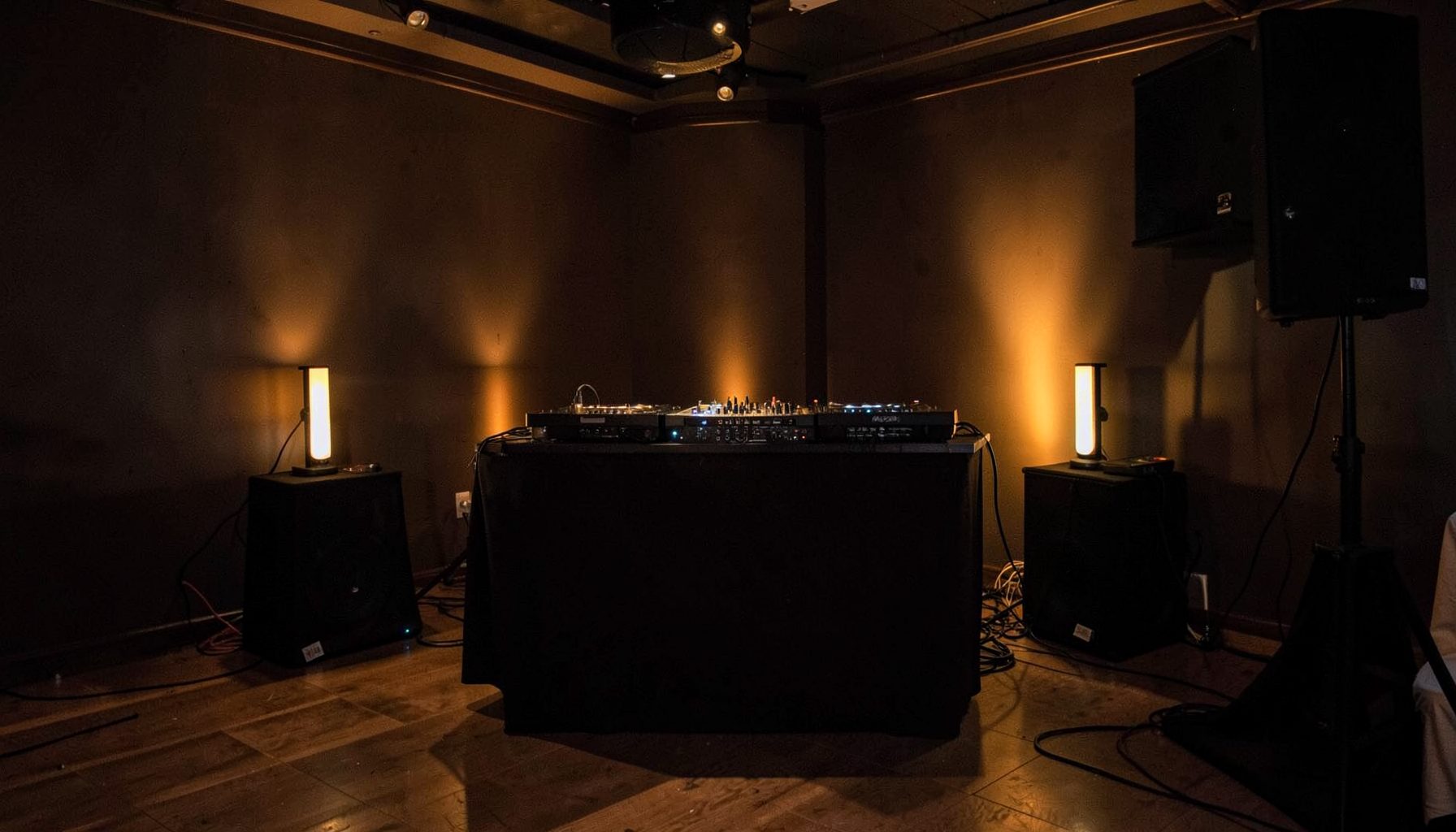
A custom-built DJ table is often a major investment in a mobile entertainment business. It may include a laminated worktop, integrated lighting, rack spaces, cable channels, laptop shelves, mixer mounts, and branded panels. Because it is made for a specific setup, replacing it after theft or accidental damage can be more complicated than replacing a standard folding table. Learn more about Guranslife.com.
Flight cases create another insurance question. They protect controllers, turntables, speakers, wireless microphones, and the table itself during transport, yet the case may be insured separately from the equipment inside it. A suitable policy must account for ownership, use, storage, loading, unloading, and travel between venues.
For Australian DJs, the risk is familiar: a wet-weather bump while loading in Melbourne, a trailer break-in after a Sydney wedding, or rough handling during a long trip between Brisbane and the Gold Coast. Correct records and carefully selected cover can help you recover faster when a custom mobile rig is damaged or lost.
| Item | Cover to check | Evidence to keep |
|---|---|---|
| Custom DJ table | Accidental damage, theft, transport and storage | Invoices, plans, photographs and replacement quote |
| Flight cases | Physical damage, theft and transit cover | Purchase receipts, serial numbers and case photographs |
| DJ equipment inside cases | Equipment replacement or repair at current value | Inventory, serial numbers and dated images |
| Loading and unloading | Whether cover applies away from the premises | Policy wording and venue-loading procedures |
| Business interruption | Lost bookings after an insured event | Contracts, invoices and booking records |
Identify What You Actually Own
Start by separating the DJ table, the flight cases, and the equipment packed inside them. A custom table may be treated as business equipment, portable property, or a fitted structure depending on its construction and the policy wording. A case may be considered protective packaging in one policy and a separately insurable item in another.
Write an inventory that describes each component in practical detail. Include the table’s dimensions, materials, brand or builder, finish, installed hardware, lighting, power distribution, and any detachable sections. List every case, including model, size, foam configuration, locks, wheels, and handles. This detail prevents an adjuster from treating a high-value custom assembly as an inexpensive generic desk.
Keep ownership records for items purchased second-hand or built by you. A receipt is useful, but a builder’s invoice, design drawings, materials list, bank statement, and dated construction photographs can support your valuation when a conventional retail receipt does not exist. If friends or another business supplied parts, document whether those items are owned, loaned, or leased.
Choose The Right Type Of Cover
Equipment insurance generally addresses physical loss or damage to business property. Ask whether the policy covers accidental damage, theft, fire, water damage, malicious damage, and loss while the gear is in a vehicle, trailer, venue, warehouse, or temporary storage area. A policy that covers equipment at your home studio may not automatically cover it while travelling to a paid event.
Public liability insurance serves a different purpose. It responds to claims that your business caused injury or property damage to another person, such as a guest tripping over a cable or a venue floor being damaged by equipment. It does not usually pay to rebuild your own DJ table after it is dropped. The N.A.M.E. insurance resources can help mobile entertainers compare relevant questions about equipment and liability protection.
Ask whether the policy is written on an agreed-value, replacement-value, or depreciated-value basis. Replacement value may pay the reasonable cost of restoring or replacing an equivalent item, while depreciated value can reduce payment for age and wear. A custom table may require a scheduled value or a written valuation because there may be no identical product available from a retailer.
Include Transport And Transit Risks
Transport cover should be examined carefully rather than assumed. Confirm whether protection applies while equipment is inside your own car, van, trailer, or hired vehicle, and whether it continues during loading, unloading, and temporary stops. Some policies impose conditions around locked vehicles, overnight parking, alarms, visibility of equipment, or unattended trailers.
Australia’s distances make this especially important. A DJ travelling from Adelaide to a regional South Australian venue may spend hours on the road, while an entertainer servicing Sydney, Newcastle, or Canberra may cross state borders for one booking. Ask whether the territorial limit covers the areas where you work and whether interstate travel changes any security requirements.
Flight cases reduce impact and handling damage, but they do not eliminate risk. Photograph the case closed and open, including foam cut-outs and internal supports. Use case labels that show contact details without advertising valuable contents, and record when the case was last inspected. Cracked shells, broken hinges, missing wheels, and damaged latches should be repaired before they contribute to a larger claim.
Establish A Defensible Replacement Value
Custom equipment is easy to underinsure because its value is spread across labour, materials, design, fabrication, and installation. Obtain a current quote from the original builder where possible. If the builder is unavailable, ask a cabinetmaker, staging supplier, or specialist fabricator to estimate the cost of producing an equivalent working unit.
Include accessories that are permanently attached or necessary for operation. Examples include drawer hardware, rack rails, power conditioners, LED strips, mounting brackets, protective corners, custom foam, and cable management. Avoid inflating the figure with sentimental value, but do account for Australian fabrication costs, freight, GST treatment, and the cost of adapting replacement parts to your existing system.
Review the sum insured after upgrades. A new controller, wireless microphone set, lighting package, or additional flight case can push the total value above the policy limit. An annual inventory review is sensible before the busy wedding period, when equipment may be booked several times each weekend around Melbourne, Perth, or the Sunshine Coast.
Prepare Evidence Before A Claim
Create a digital inventory stored away from the equipment. For each item, retain a receipt or valuation, serial number, purchase date, supplier details, photographs, and a short description of its condition. Photograph labels and serial plates clearly, then take wider images showing how the table and cases look as complete working items.
Save event contracts, transport arrangements, repair estimates, and correspondence about the incident. If a venue, courier, airline, storage company, or vehicle owner may share responsibility, notify the relevant party promptly. Do not discard damaged components until the insurer or assessor authorises disposal, since broken hardware and case damage may help establish what happened.
You may also need a certificate of currency or other proof before a venue confirms a booking. The practical steps in getting proof quickly are useful when a corporate client requests documentation shortly before an event. Keep a current copy in your booking system, but check that it reflects the correct business name, coverage dates, and limits.
Manage Claims And Ongoing Risk
Report theft, suspected criminal damage, or a road incident to the relevant authority as soon as practical. In Australia, a police event number may support a theft claim, while transport damage may require photographs, delivery records, and a written notice to the carrier. Give the insurer a clear timeline: when the equipment was last seen undamaged, who handled it, where it travelled, and when the damage was discovered.
Safety procedures protect people as well as property. Use ramps or team lifting for a heavy custom table, secure flight cases inside the vehicle, and avoid stacking fragile electronics beneath unstable loads. A back or shoulder injury can interrupt bookings even when the equipment survives; seek professional injury help if a loading incident causes pain or restricted movement.
Keep your business history and claims record accurate when renewing. Insurers may consider prior claims, the type of work performed, security arrangements, and the scale of your operations when assessing terms. Guidance on performance history and premiums explains why consistent records and responsible risk management can matter when discussing liability pricing.
Read the full wording before paying for cover, with particular attention to exclusions, excesses, unattended-vehicle conditions, gradual deterioration, faulty workmanship, and loss of income. Ask an Australian insurance professional how the proposed policy treats a self-built table, interstate transport, hired vehicles, and equipment stored at home. Then update your inventory and valuation whenever the rig changes.
Protecting a custom DJ table and its flight cases starts with an itemised inventory, realistic replacement figures, and transport cover that matches your actual working routine. Review your policy before the next run of weddings, festivals, corporate functions, and private events, and keep your documents ready for both venues and claims. Explore the available insurance information and use it as a starting point for a conversation about the protection your mobile entertainment business needs.
Get in Touch
Contact N.A.M.E. for membership inquiries, insurance questions, or general information.