
N.A.M.E. National Office
Professional Association for Mobile Entertainers
Email: office@nameentertainers.net
Mail: P.O. Box 144, Willow Grove, PA 19090
for Mobile Entertainers Get Insurance Info
Insurance for Mobile Entertainers
N.A.M.E. partners with Brown & Brown Insurance to offer comprehensive liability and equipment coverage designed specifically for DJs, bands, photographers, and other mobile entertainers. Coverage up to $5,000,000 is available.
Learn about insurance →News & Updates
Stay informed with the latest announcements from the National Association of Mobile Entertainers, including trade show coverage, webinar updates, and member spotlights.
N.A.M.E. publishes a monthly e-newsletter via Constant Contact featuring discounts, member benefits, and upcoming industry expos.
Sign up for the newsletter →Find an Entertainer
Search the N.A.M.E. directory of DJs and mobile entertainers who have invested in their business and uphold the quality standards of the association. Members include DJs, hypnotists, photographers, bands, event planners, booking agents, theatrical groups, and comedians.
Browse the directory →Protecting Your Mixing Desk From Power Surges
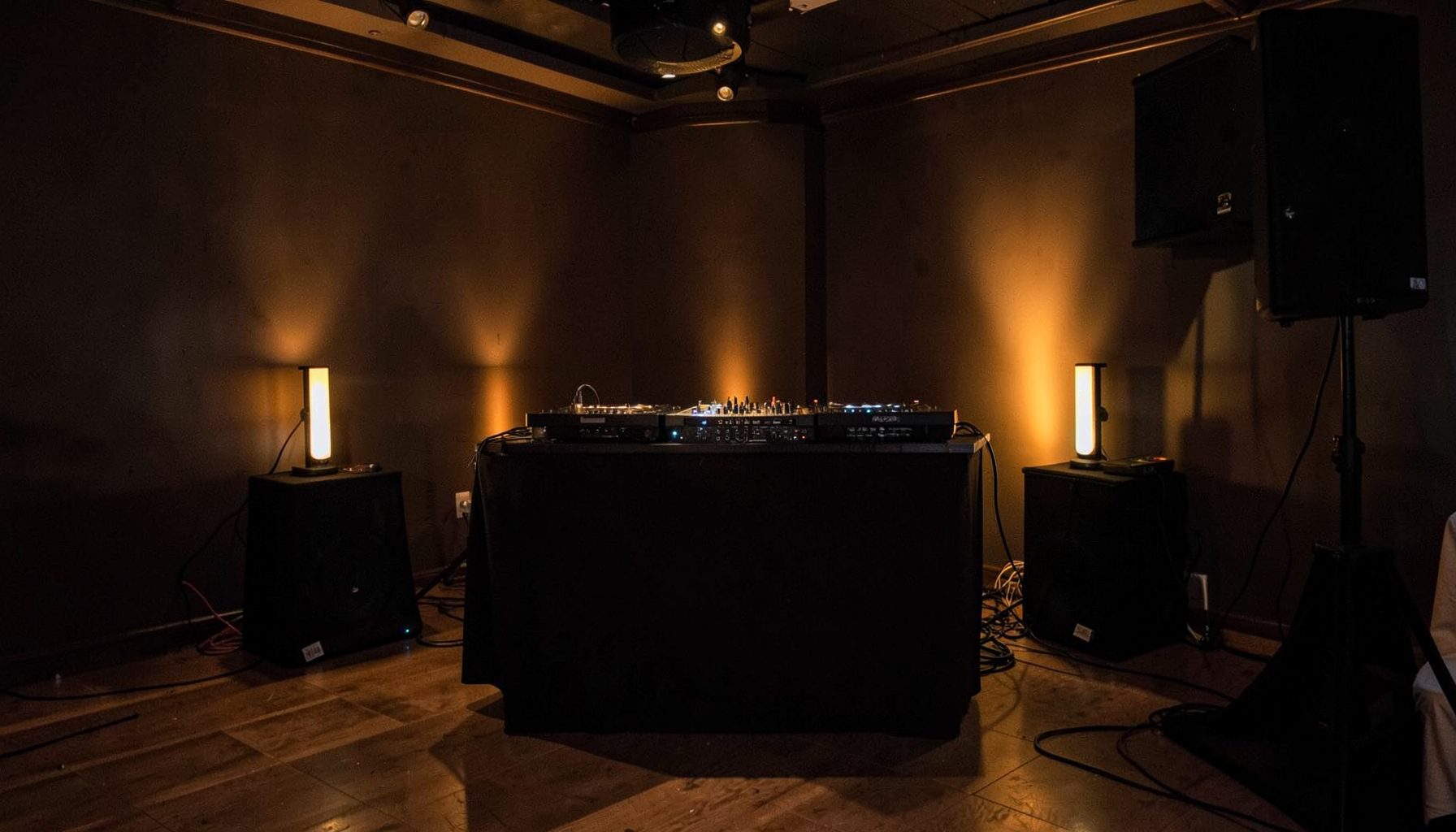
A mixing board and its effects processors are the control centre of a mobile entertainment setup. If a voltage spike damages the console, wireless receivers, compressors, reverbs or digital signal processors, the financial loss can extend well beyond the repair invoice. A cancelled booking, emergency hire fee and lost working time may quickly become part of the claim you need to manage.
For Australian DJs, bands and event technicians, protection starts with understanding the difference between electrical surge cover and general equipment insurance. A standard contents policy may cover some business equipment at a fixed premises, while a specialist entertainment policy may address equipment used at venues, transported in vehicles or stored temporarily after a job.
Electrical damage can arise from lightning, a failed transformer, unstable venue power or a switching event on a shared circuit. The cause, location and policy wording matter. Before arranging cover, record what you own, how it is used and where it travels. Those details help an insurer assess the risk accurately.
N.A.M.E. has supported mobile entertainers since 1996 with insurance options, education and business resources. Its N.A.M.E. resources can help working entertainers understand the broader protection available to DJs, bands, photographers and event professionals operating across the Australian market.
Identify The Equipment And Its Value
Begin with a detailed inventory of every item connected to the mixing system. Include the digital or analogue mixing board, powered mixers, effects processors, equalisation units, power conditioners, interfaces, patch bays, stage boxes and rack-mounted accessories. List the make, model, serial number, purchase date and current replacement cost rather than relying on memory.
A phone photograph of each unit, including its serial plate, is useful evidence. Keep tax invoices, retailer receipts, finance records and warranty documents in secure cloud storage. Australian businesses should also retain GST-inclusive and GST-exclusive figures where relevant, because a claim settlement can depend on whether the business is registered for GST and can recover the tax component.
Insurers may distinguish between new-for-old replacement and indemnity value. New-for-old cover generally aims to replace an insured item with an equivalent current model, subject to policy limits and availability. Indemnity value accounts for age, wear and depreciation. A five-year-old console may have a very different settlement value under the two approaches.
Check What Surge Damage Actually Means
A policy can cover accidental electrical damage without covering every failure described as a “power issue”. Some wordings include lightning and power surge damage, while others exclude gradual deterioration, internal mechanical failure, poor maintenance or damage caused by incorrect voltage. Ask the insurer to explain whether the protection applies to both the mixing console and connected processors.
Check whether the policy covers equipment at your home, studio, vehicle, storage unit and temporary event locations. A mobile entertainer in Sydney may take a rack from a home office to a wedding venue in Parramatta, then travel to a festival in Newcastle. Cover that applies only at the declared premises will be inadequate for this pattern of work.
Also review exclusions involving unattended vehicles, unsecured equipment, water damage, borrowed gear and equipment left connected during severe weather. Keep a written record of the insurer’s answers and request the relevant wording. The member community can also provide a useful professional context for comparing common insurance concerns, provided that individual policy advice comes from the insurer or broker.
Match The Policy To Your Working Pattern
The right policy depends on how often the equipment travels, who operates it and how much downtime the business can tolerate. A DJ carrying one compact mixer has a different exposure from a production company transporting several racks between Melbourne, regional Victoria and interstate venues. Declare regular touring and hired equipment instead of assuming occasional use is automatically included.
| Protection feature | Why it matters for a mixing system | Points to verify |
|---|---|---|
| Electrical surge and lightning cover | Responds to specified voltage-related events that damage boards or processors | Confirm the insured causes and exclusions |
| Accidental damage | May cover drops, knocks and mishandling during setup | Check whether accidental electrical damage is separate |
| Theft cover | Protects equipment removed from a venue or vehicle | Review forced-entry and unattended-vehicle conditions |
| Transit cover | Addresses movement between storage, transport and events | Confirm domestic and interstate travel limits |
| Replacement-cost basis | Helps fund an equivalent current unit | Check age limits, sub-limits and obsolete models |
| Business interruption or hire costs | May help when a damaged console prevents work | Look for waiting periods and daily limits |
| Public liability | Deals with injury or property damage claims from others | It does not replace equipment insurance |
| Equipment hire cover | Protects borrowed or rented replacement gear | Confirm ownership and hire-contract requirements |
A separate public liability policy is important for an entertainer, but it generally does not repair your own mixing board after a surge. Liability insurance responds to claims from third parties, such as a guest injured by a cable or venue property damaged during a performance. Equipment insurance addresses your business assets and may include associated recovery costs.
Ask whether the policy includes temporary replacement hire, expedited freight, data or software restoration and reasonable professional assessment fees. A replacement console may arrive quickly, but a complex touring rig can still lose bookings while presets, routing files and show templates are rebuilt.
Reduce The Risk Before The Gig
Insurance should support good electrical practice, not replace it. Australian mains supply is generally 230 volts, and venue circuits can vary in quality and capacity. Use compliant power distribution equipment, inspect leads before each job and avoid daisy-chaining power boards. A residual-current device, commonly called an RCD, can provide important protection against electric shock, though it is not a guarantee against every damaging transient.
A surge protector and a power conditioner are different products. A basic surge protector may divert a short voltage spike, while a conditioner can filter interference and provide monitoring features. Neither device makes an excluded claim payable. Choose equipment suitable for professional audio loads and follow the manufacturer’s earthing, ventilation and connection instructions.
Save console scenes, processor presets and firmware backups in more than one location. Label power supplies and keep a tested spare for critical components. At outdoor events, cover equipment from rain and disconnect it when the site operator directs you to do so during storms. These steps can reduce loss severity and demonstrate responsible handling if an insurer investigates the incident.
Document A Claim Carefully
If a surge occurs, stop using the affected equipment and isolate the power source if it is safe. Do not repeatedly switch a damaged unit on to see whether it recovers. Photograph the venue power arrangement, connected devices, damaged plugs and visible marks. Write down the time, weather, circuit information and names of venue staff or technicians who witnessed the event.
Notify the insurer promptly and follow its instructions about inspection, repair and disposal. Do not authorise a major repair before approval unless the policy permits it. A qualified audio technician can provide a diagnostic report explaining which components failed and whether the damage is consistent with an external electrical event.
Keep records of emergency hire, replacement transport and cancelled or relocated bookings. These costs may be relevant if the policy contains business interruption or recovery benefits, although they are not automatically covered. The advisory team offers industry experience that may help members think through documentation, business continuity and professional operating practices.
Review Limits As Your Business Grows
Equipment values often rise gradually as an entertainer adds wireless systems, digital stage boxes, premium processors and backup units. Review the sum insured after major purchases, especially before the busy wedding and festival seasons. Underinsuring a collection can trigger an average or co-insurance clause, reducing the amount paid even where the damaged item is below its individual limit.
Check sub-limits for portable electronics, hired equipment, accessories and items left in vehicles. Find out whether a policy covers equipment owned by a business entity, sole trader or partnership, and ensure the named insured matches invoices and contracts. If you operate through an Australian company, keep the company’s ownership and storage arrangements clear.
Policy renewal is a good time to compare excesses with likely repair costs. A high excess may reduce the premium but provide little practical value for a modest processor failure. Ask about regional travel, international touring, venue-specific requirements and whether the insurer accepts professional valuation reports for older or specialist equipment.
Read the privacy information supplied during an application and claim, including how personal, financial and equipment data may be handled. N.A.M.E.’s privacy policy explains its own approach to information, while your insurer should provide separate details about its data practices.
Build a complete equipment schedule, obtain written confirmation of electrical surge cover and verify that transit, theft and temporary venue use are included before the next booking. Speak with an insurance professional familiar with entertainment businesses, then keep your policy, inventory and backup records together so a damaged mixing system can be assessed without avoidable delays.
Get in Touch
Contact N.A.M.E. for membership inquiries, insurance questions, or general information.