

N.A.M.E. National Office
Professional Association for Mobile Entertainers
Email: office@nameentertainers.net
Mail: P.O. Box 144, Willow Grove, PA 19090
for Mobile Entertainers Get Insurance Info
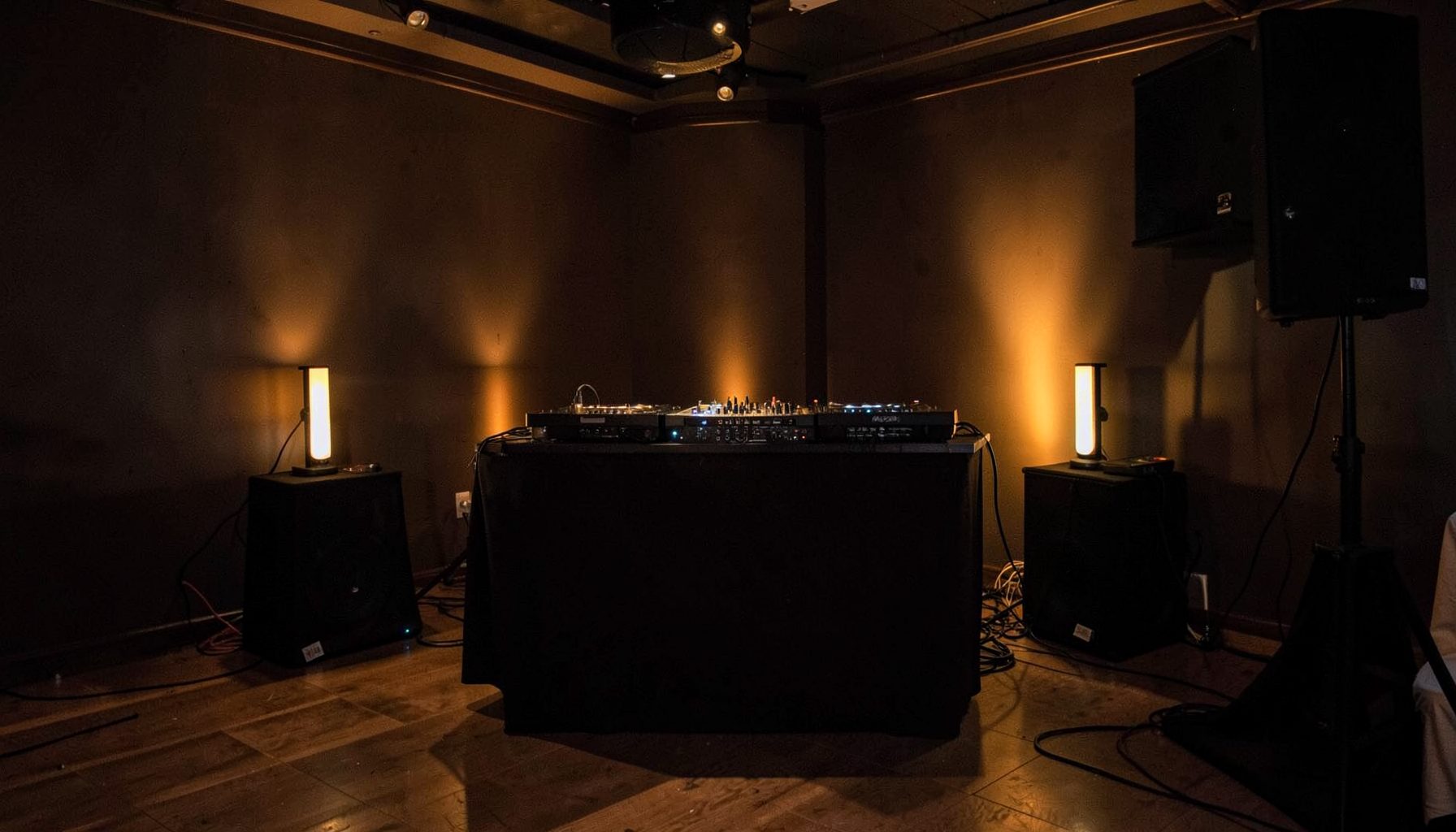
Insurance for Mobile Entertainers
N.A.M.E. partners with Brown & Brown Insurance to offer comprehensive liability and equipment coverage designed specifically for DJs, bands, photographers, and other mobile entertainers. Coverage up to $5,000,000 is available.
Learn about insurance →News & Updates
Stay informed with the latest announcements from the National Association of Mobile Entertainers, including trade show coverage, webinar updates, and member spotlights.
N.A.M.E. publishes a monthly e-newsletter via Constant Contact featuring discounts, member benefits, and upcoming industry expos.
Sign up for the newsletter →Find an Entertainer
Search the N.A.M.E. directory of DJs and mobile entertainers who have invested in their business and uphold the quality standards of the association. Members include DJs, hypnotists, photographers, bands, event planners, booking agents, theatrical groups, and comedians.
Browse the directory →Build a DJ Equipment Inventory That Speeds Up Insurance Claims
A DJ equipment inventory is more than a list of speakers, mixers, and cables. It is a working record that helps establish what you owned, how much it was worth, and what condition it was in before theft, damage, or loss. When an incident happens, reliable documentation can reduce delays and make conversations with an insurance carrier far more productive.
Mobile entertainers often transport equipment between venues, store it in vehicles, and combine personally owned gear with rented or borrowed items. That changing environment makes a current inventory especially important. A claim adjuster needs clear evidence, while you need a practical system that can be updated after every major purchase, sale, or replacement.
The process does not need to be complicated. A spreadsheet, cloud folder, smartphone camera, and a consistent naming system can create a useful equipment register. The goal is to make the facts easy to find when you are dealing with a stressful event.
Start with a complete gear list
Begin by walking through every location where DJ equipment may be stored. Check your office, home, studio, vehicle, trailer, storage unit, and any cases kept at regular venues. Write down large equipment first, then work through the smaller accessories that are easy to overlook.
Your list may include loudspeakers, subwoofers, amplifiers, mixers, controllers, turntables, media players, laptops, tablets, microphones, wireless systems, lighting fixtures, stands, truss, cables, power distribution equipment, cases, carts, and hand tools. Include backup equipment and items used only for certain event types. A missing cable case or wireless microphone can affect the cost of rebuilding your setup.
Separate business-owned property from personal property, rented gear, borrowed equipment, and items owned by a partner or subcontractor. This distinction matters when reviewing coverage and documenting a loss. If equipment belongs to someone else, keep rental agreements or written permission with your records rather than presenting it as owned inventory.
Capture details that identify each item
A useful inventory goes beyond brand names. Record the manufacturer, model, serial number, color or finish, and any identifying marks. Serial numbers are particularly valuable for police reports and insurance documentation because they distinguish one unit from another. Photograph the label clearly, and keep a second image showing the full item.
Add the purchase date, original price, current estimated replacement cost, and source of purchase. Save invoices, receipts, order confirmations, warranty records, and appraisal documents where available. If an item was bought used, record the seller, transaction date, amount paid, and any evidence that supports its value.
Describe the condition honestly. Note scratches, dents, repaired components, missing accessories, or normal wear that existed before a loss. This protects the accuracy of your records and helps prevent confusion over whether damage occurred during the reported incident. For high-value equipment, include close-up photographs of existing marks.
A practical file name can combine the item category, brand, model, and serial number. For example, “Speaker_QSC_K12.2_SN12345” is easier to search than “photo 0047.” Use the same identifier in your spreadsheet, photo folder, receipts, and claim notes.
Photograph and store evidence securely
Take photographs in good lighting against a simple background. Capture the front, rear, sides, control panel, connectors, serial-number label, and included accessories. For a complete mobile rig, photograph the equipment packed in its case as well as assembled for operation. These images can show both ownership details and the way the gear is configured.
Video can add useful context. A slow walkthrough of a storage area, equipment trailer, or DJ booth may document the broader collection and its condition. Keep still images for individual items because they are easier to match with inventory entries. Avoid relying on social media posts as your primary evidence; images may be compressed, dated incorrectly, or difficult to retrieve.
Store copies in at least two locations. A cloud drive protects against a local computer failure, while an external drive provides an additional backup if your internet account becomes inaccessible. Protect the files with strong account security and limit access to people who need the business records.
Include a brief inventory summary in your emergency documents. It can identify the location of the full register, your insurance policy information, your equipment categories, and the person responsible for maintaining the files. Do not store sensitive policy or financial information in an unprotected public folder.
Organize records for quick claim review
A spreadsheet is often enough for a small or mid-sized DJ business. Useful columns include item ID, category, manufacturer, model, serial number, purchase date, purchase price, replacement estimate, condition, storage location, ownership status, and evidence-file link. Add a notes field for modifications, accessories, repairs, or special circumstances.
The difference between purchase price and replacement cost deserves attention. A ten-year-old speaker may have been inexpensive when purchased but costly to replace with a comparable current model. Conversely, some discontinued products may have a different market value today. Review your policy language and ask your insurance professional how valuation is handled before assuming that one figure applies to every item.
Use categories that match the way your policy or accounting records are organized. For instance, separate audio, lighting, computers, musical instruments, transportation cases, and production accessories. This structure makes it easier to identify gaps between the value of your inventory and the limits or sublimits in your coverage.
| Inventory field | What to record | Why it helps |
|---|---|---|
| Item identification | Brand, model, serial number, and item ID | Connects the physical item to your records |
| Ownership | Owned, rented, borrowed, or financed | Clarifies whose property may be involved |
| Financial details | Purchase price, date, and replacement estimate | Supports valuation and coverage discussions |
| Condition | Existing wear, repairs, and missing parts | Establishes the pre-loss condition |
| Evidence | Receipt, photo, warranty, and appraisal links | Gives the adjuster supporting documentation |
| Location | Home, vehicle, storage unit, or venue | Helps explain where the loss occurred |
Review the inventory after buying a new controller, replacing a laptop, selling a lighting fixture, or changing storage locations. A short monthly update is easier than rebuilding the entire list after an incident. Set a recurring calendar reminder and assign responsibility if several people handle company equipment.
Prepare for theft, transit, and event damage
Different losses may require different evidence. For theft, preserve purchase records, photographs, serial numbers, and the police report. For transportation damage, record when the equipment was loaded, where it was carried, and whether the cases showed impact or forced entry. For venue damage, note the event name, location, date, witnesses, and any incident report prepared by the venue.
Do not discard damaged gear before speaking with the carrier or receiving instructions. Photograph it in place if it is safe to do so, then move it only when necessary to prevent further damage or injury. Keep damaged packaging, broken parts, and repair estimates when possible. These materials may help establish what happened and what restoration could cost.
Notify the appropriate parties promptly according to your policy requirements. That may include your insurer, broker, law enforcement, venue management, rental company, or equipment manufacturer. Write down dates, names, claim numbers, and instructions after every call. A chronological incident log can prevent repeated explanations and preserve details while they are fresh.
Coverage questions deserve attention before an event occurs. Review whether your policy addresses equipment in transit, property stored in a vehicle, rented gear, borrowed items, business interruption, and equipment used outside your home region. N.A.M.E. also discusses the distinction between event-related insurance issues and fundraising concerns in its piece on insurance and donations, which can be useful context when working with nonprofit clients.
Make the inventory part of business operations
Treat the equipment register as a business asset rather than an insurance-only file. It can support annual budgeting, depreciation records, maintenance planning, rental decisions, and event preparation. When you know exactly what is available and where it is stored, you are less likely to buy duplicates or discover missing gear shortly before a performance.
Link each item to maintenance information when appropriate. Record battery replacement dates, firmware updates, repairs, warranty expiration, and safety inspections. For wireless systems and powered speakers, maintenance records can help demonstrate responsible use and explain the equipment’s condition before a loss.
A pre-event and post-event check can complement the master inventory. Before leaving for a booking, verify that critical items are present and photographed cases are intact. After returning, check for missing accessories, new damage, or items left at the venue. This routine can identify a problem before memories fade and before equipment passes through several hands.
Professional resources can also help you refine these systems. N.A.M.E. provides member benefits that include business support, educational resources, and industry services relevant to mobile entertainers. Building sound administrative habits alongside performance skills can make the company more resilient when equipment problems interrupt booked work.
Keep your records claim-ready
A strong inventory is current, specific, backed by evidence, and easy to access. Use the following routine to keep it that way:
- Update the register within a week of buying, selling, repairing, or replacing equipment.
- Photograph new items, serial numbers, cases, and existing marks before taking them to an event.
- Save receipts, invoices, rental contracts, warranty documents, and repair estimates in a matching digital folder.
- Reconcile the total replacement value with your policy limits and ask about exclusions or special sublimits.
- Maintain an off-site backup and test that you can open the files from a phone or another computer.
At least once a year, compare your actual rig with the inventory line by line. Remove sold items, correct outdated values, and add equipment that migrated from personal use into the business. If your operation has grown significantly, review the records with your insurance professional so the policy reflects the scale and type of property you now carry.
A claim is easier to document when the work was completed before anything went wrong. Start with one equipment case today, then continue through the rest of the business in manageable sessions. For ongoing industry information, educational updates, and association news, subscribe to N.A.M.E. updates and keep your insurance records moving with the same regular attention as your event calendar.
Get in Touch
Contact N.A.M.E. for membership inquiries, insurance questions, or general information.