

N.A.M.E. National Office
Professional Association for Mobile Entertainers
Email: office@nameentertainers.net
Mail: P.O. Box 144, Willow Grove, PA 19090
for Mobile Entertainers Get Insurance Info
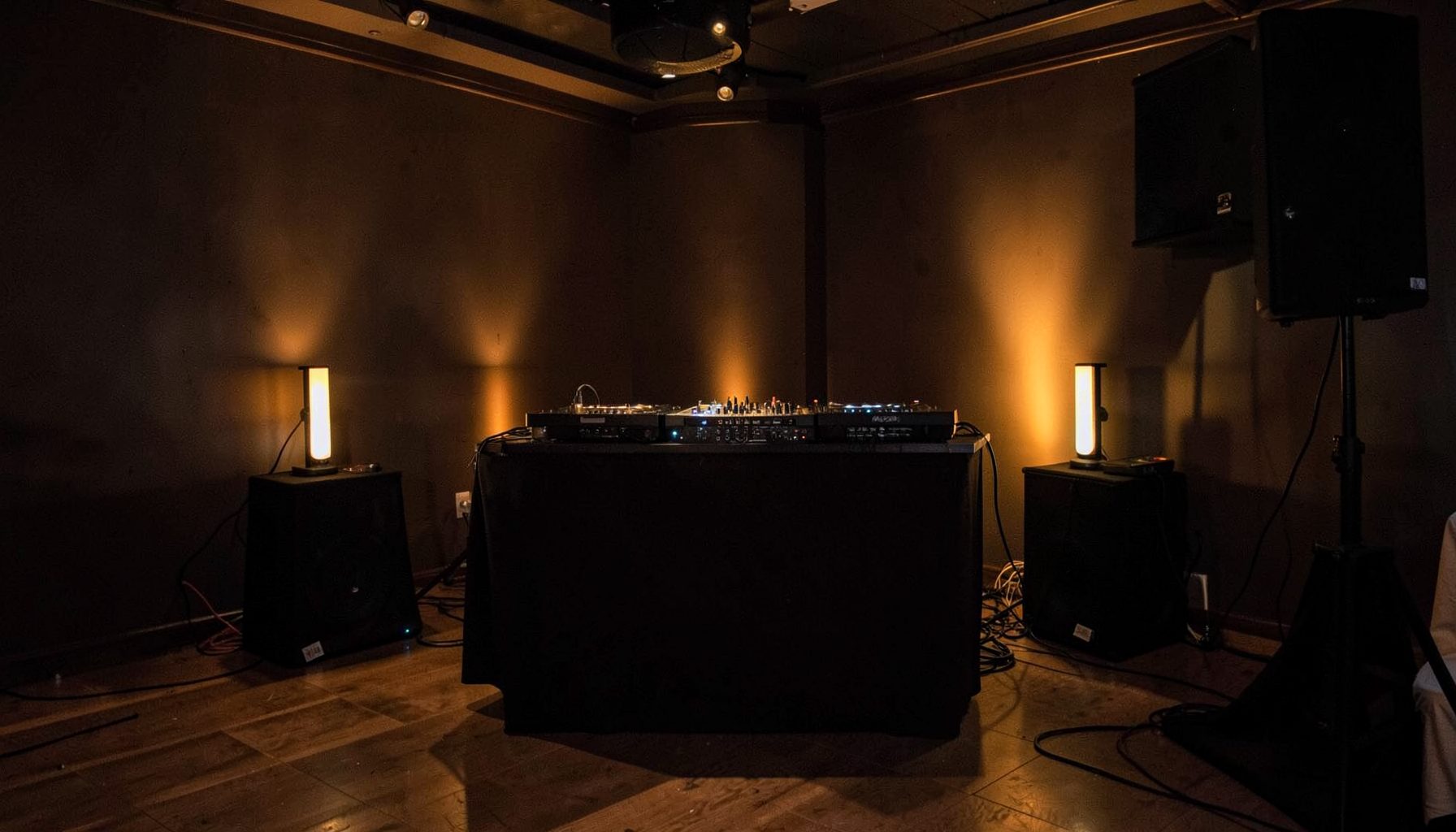
Insurance for Mobile Entertainers
N.A.M.E. partners with Brown & Brown Insurance to offer comprehensive liability and equipment coverage designed specifically for DJs, bands, photographers, and other mobile entertainers. Coverage up to $5,000,000 is available.
Learn about insurance →News & Updates
Stay informed with the latest announcements from the National Association of Mobile Entertainers, including trade show coverage, webinar updates, and member spotlights.
N.A.M.E. publishes a monthly e-newsletter via Constant Contact featuring discounts, member benefits, and upcoming industry expos.
Sign up for the newsletter →Find an Entertainer
Search the N.A.M.E. directory of DJs and mobile entertainers who have invested in their business and uphold the quality standards of the association. Members include DJs, hypnotists, photographers, bands, event planners, booking agents, theatrical groups, and comedians.
Browse the directory →How to protect yourself when hiring security for a high-risk event
Hiring a security guard can make a large or high-risk event safer, but the decision also creates responsibilities for the event host, entertainment company, venue, or production team. A guard’s presence does not automatically transfer liability to the security provider. If the wrong person is hired, instructions are unclear, or an incident is handled poorly, multiple parties may face claims.
The safest approach combines careful screening, a written security plan, appropriate insurance, and active coordination with the venue and emergency services. This matters at concerts, festivals, nightlife events, corporate gatherings, private celebrations, and any occasion involving alcohol, valuable equipment, crowded spaces, controversial speakers, or known threats.
Risk management should begin well before guests arrive. Treat security as part of the event infrastructure, alongside crowd control, fire safety, first aid, transportation, and protection for performers and staff. A documented process helps demonstrate that you took reasonable precautions if an injury, theft, assault, or property damage claim later occurs.
Assess the event before choosing a guard
Start by identifying the specific risks rather than asking generally for “security.” Estimate attendance, venue capacity, entry points, alcohol service, expected crowd behavior, and the presence of children, VIPs, performers, or valuable equipment. Consider whether guests may become aggressive, whether there have been prior incidents at the location, and whether the event has received threats or protests.
The physical layout also affects staffing. A single guard near the entrance may be appropriate for a small private gathering, while a large outdoor event may require multiple personnel, roving patrols, backstage protection, parking oversight, and a supervisor. Guards should have clear sightlines, reliable communication, access to exits, and a defined location for reporting incidents.
Ask the venue for its emergency procedures and any requirements for licensed security personnel. The venue may already have a preferred contractor or require proof of insurance, background checks, specific credentials, or a particular staffing ratio. Ignoring those requirements can result in denied access, contract problems, or gaps in responsibility.
Verify the agency and individual guard
Hire through a properly registered security company whenever possible instead of relying on an unverified individual. Confirm the company’s legal name, physical address, licensing status, years in business, and experience with events similar to yours. Search for complaints, disciplinary actions, and references from venue operators or event professionals.
Request evidence that each assigned guard is legally permitted to work in the relevant jurisdiction. Depending on local law, this may include a guard card, firearms authorization, first-aid training, crowd-management certification, or other credentials. A company license alone may not prove that every worker has the required qualifications.
Ask how the company screens, trains, supervises, and replaces personnel. Relevant questions include whether guards receive de-escalation training, how they respond to intoxicated guests, who can authorize physical intervention, and whether a supervisor will be present. If weapons are involved, obtain a clear explanation of licensing, storage, use-of-force rules, and notification procedures.
Before signing, contact at least two references. Ask whether the company arrived on time, followed instructions, documented incidents, maintained professional conduct, and communicated effectively with venue staff. A low hourly rate is not a useful bargain if inadequate staffing or poor judgment creates a larger loss.
Put duties and authority in writing
Use a written agreement that identifies the event date, hours, location, number of guards, supervisor, uniforms, equipment, and total price. It should state whether personnel will remain at fixed posts, patrol the grounds, screen bags, check credentials, protect performers, monitor parking areas, or remove disruptive guests.
The contract should also define authority. Security personnel generally cannot create their own rules for searching guests, denying entry, detaining people, using force, or handling personal information. Spell out who may approve an ejection, when law enforcement must be contacted, and how emergencies will be escalated.
Include requirements for incident reports, witness information, video preservation, medical assistance, and immediate notification to designated event representatives. Require the contractor to notify you promptly about arrests, injuries, allegations of excessive force, missing property, threats, or police involvement. A written record should describe observable facts without speculation or inflammatory language.
Make sure the indemnification provision is understandable and compatible with the insurance arrangement. Some contracts attempt to shift every possible claim to the client, even when the security company caused the problem. Have an attorney review important agreements, especially for high attendance, public events, alcohol service, weapons, or substantial property exposure.
Align insurance with the security plan
Ask the security company for a current certificate of insurance and review the underlying policy, not just the certificate. Important coverage may include commercial general liability, workers’ compensation, automobile liability, and, where relevant, professional or errors-and-omissions coverage. Confirm policy limits, effective dates, exclusions, and whether security operations are covered at your type of event.
Your own event or business policy may also need adjustments. A venue may require additional insured status, primary and noncontributory wording, or a waiver of subrogation. These terms are technical and should be checked by an insurance professional rather than copied into a contract without review. Guidance on why large venues sometimes request broader protection is available in this discussion of umbrella insurance guidance.
Do not assume that a guard’s policy covers your own negligence, assault allegations, stolen equipment, liquor-related incidents, or cancellation losses. Determine which party is responsible for property damage, employee injuries, guest injuries, and claims arising from a guard’s use of force. Keep copies of all certificates, endorsements, contracts, and correspondence in one event file.
| Protection or document | What it may address | What to verify |
|---|---|---|
| Security company liability policy | Third-party bodily injury or property damage caused by operations | Limits, exclusions, policy dates, and covered services |
| Workers’ compensation | Injuries to the security company’s employees | Whether the contractor carries legally required coverage |
| Event or general liability policy | Claims involving the organizer, venue, or event operations | Alcohol, crowd control, assault, and additional insured terms |
| Umbrella or excess liability | Larger claims exceeding underlying policy limits | Follow-form conditions, retained limits, and exclusions |
| Written service agreement | Duties, authority, reporting, and allocation of responsibility | Indemnity language and consistency with insurance |
| Incident documentation | Evidence of actions, timing, witnesses, and notifications | Secure storage, factual wording, and prompt completion |
Insurance cannot correct poor staffing or unlawful conduct. It is a financial backstop, not a substitute for competent personnel, supervision, and a practical emergency response plan. Review coverage early because endorsements and higher limits may take time to arrange.
Coordinate security with the whole event team
Hold a briefing before doors open with the security supervisor, venue manager, event lead, entertainment coordinator, production staff, and emergency contacts. Review the floor plan, entrances, exits, restricted areas, backstage routes, first-aid location, fire equipment, evacuation points, and places where guests may gather or become congested.
Establish one chain of command. Guards should know which event representative can make operational decisions, while staff should understand that they must not give conflicting directions or attempt physical intervention unless trained and authorized. Use radios or another dependable communication method, with backup phone numbers if the radio system fails.
Tell performers and vendors how to request help and how to report threatening behavior. DJs, bands, photographers, and other mobile entertainment professionals often move between public and restricted areas while carrying expensive equipment. When booking event personnel through a professional entertainment directory, confirm in advance who will protect gear, control access to performance areas, and respond if a guest interferes with staff.
Protect personal information as carefully as physical property. Guest lists, identification documents, payment details, incident reports, and video footage should be accessible only to people with a legitimate operational need. Avoid posting accusations or identifiable footage online after an incident; preserve evidence and route communications through the appropriate legal or insurance contacts.
Prepare for force, medical events, and emergencies
A security plan should emphasize prevention and de-escalation. Guards need clear instructions for handling intoxication, verbal disputes, unauthorized entry, harassment, suspected weapons, and people refusing to leave. Ask the supervisor to explain how personnel will create distance, call for assistance, summon medical help, and document an encounter.
Never encourage guards to “do whatever it takes.” Any use of force should comply with applicable law, company policy, and the person’s training. Unnecessary restraint, discriminatory treatment, invasive searches, or retaliation can create serious civil and criminal exposure. If a weapon is discovered or a credible threat is reported, contact law enforcement according to the prearranged emergency protocol.
Plan for events beyond intentional misconduct. A guest could suffer a medical emergency, a crowd could surge toward an exit, or severe weather could force evacuation. Security should support—not replace—paramedics, firefighters, and police. Confirm who calls emergency services, who meets responders at the entrance, and who communicates with guests while keeping routes clear.
Document and respond after an incident
When something goes wrong, prioritize immediate safety and medical care. Do not pressure witnesses to change their accounts, promise that a claim will be paid, or admit fault before the facts are reviewed. Preserve relevant video, radio logs, access records, contracts, photographs, text messages, and staff notes.
Ask the security supervisor to complete a factual incident report before the end of the shift. Record the time, location, people involved, observed conduct, actions taken, witnesses, injuries, property damage, and notifications made. Keep the original file secure and provide copies to your insurer, attorney, venue, or law enforcement when appropriate.
Notify your insurance contact promptly if the event involves injury, alleged misconduct, significant property damage, arrest, weapon, or threatened legal action. Late reporting can complicate coverage. Cooperate with legitimate investigations while avoiding public commentary that could compromise privacy or create unnecessary liability.
Safeguards worth confirming before doors open
- A licensed security provider and individually qualified guards have been verified.
- Staffing levels, posts, supervisor authority, and emergency contacts are written into the agreement.
- Certificates of insurance, required endorsements, and policy limits have been reviewed.
- Venue rules, evacuation routes, medical procedures, and law-enforcement contacts are included in the briefing.
- Incident reporting, evidence preservation, and claim-notification procedures are understood by the event team.
A professional security presence works best when it is integrated into the entire event plan rather than added at the last minute. Careful hiring, precise contracts, appropriate insurance, and disciplined communication protect guests while reducing exposure for organizers, entertainers, venues, and vendors.
For mobile entertainers and event professionals, N.A.M.E. provides education, business resources, insurance options, certifications, and industry support that can help turn risk awareness into practical preparation. Review your next event before booking personnel, gather the required documents, and address coverage or contract concerns early—well before the first guest arrives.
Get in Touch
Contact N.A.M.E. for membership inquiries, insurance questions, or general information.