
N.A.M.E. National Office
Professional Association for Mobile Entertainers
Email: office@nameentertainers.net
Mail: P.O. Box 144, Willow Grove, PA 19090
for Mobile Entertainers Get Insurance Info
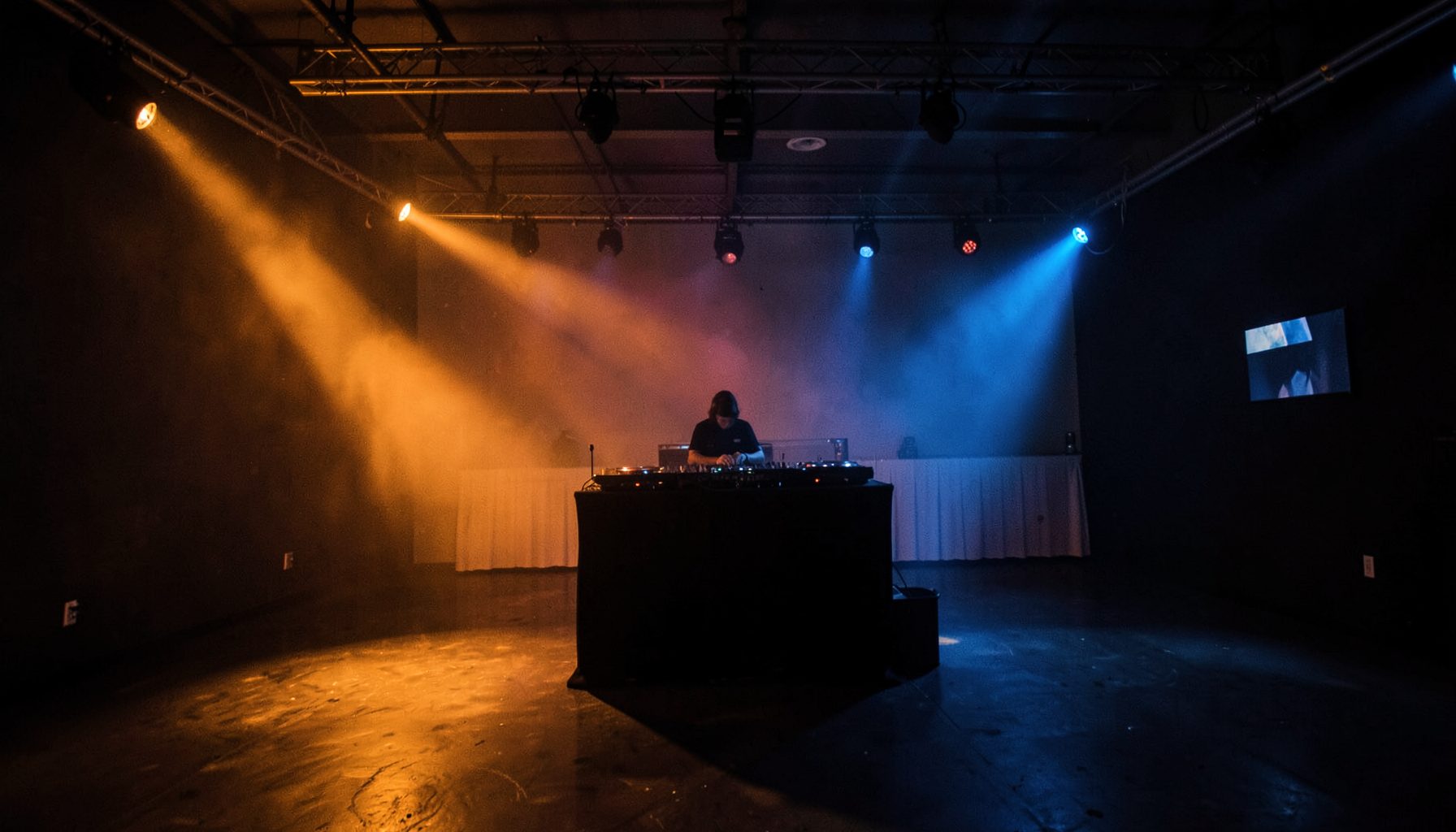
Insurance for Mobile Entertainers
N.A.M.E. partners with Brown & Brown Insurance to offer comprehensive liability and equipment coverage designed specifically for DJs, bands, photographers, and other mobile entertainers. Coverage up to $5,000,000 is available.
Learn about insurance →News & Updates
Stay informed with the latest announcements from the National Association of Mobile Entertainers, including trade show coverage, webinar updates, and member spotlights.
N.A.M.E. publishes a monthly e-newsletter via Constant Contact featuring discounts, member benefits, and upcoming industry expos.
Sign up for the newsletter →Find an Entertainer
Search the N.A.M.E. directory of DJs and mobile entertainers who have invested in their business and uphold the quality standards of the association. Members include DJs, hypnotists, photographers, bands, event planners, booking agents, theatrical groups, and comedians.
Browse the directory →How to change entertainment insurance without a coverage gap
Switching your insurance provider without leaving your current gigs uncovered requires more than cancelling one policy and buying another. Mobile entertainers often book events months ahead, while insurance terms, certificates and renewal dates operate on a much shorter timetable. A rushed change can create uncertainty around a wedding, festival or corporate function already in your diary.
For DJs, bands, photographers and event professionals in Australia, the practical issue is usually public liability insurance. A venue may ask for a certificate of currency before allowing access, and a client may expect evidence of cover before paying a deposit. The policy also needs to suit the work you actually perform, including equipment transport, setup, pack-down and use of subcontractors.
Your existing policy might respond according to when an incident happened, when a claim was made, or when the insurer was notified. Those details matter when an accident occurs near the changeover date. Reading the product disclosure statement (PDS), endorsements and exclusions is just as important as comparing premiums.
A careful handover gives you a clear record of who covers each booking and when. It also helps you avoid the awkward situation of telling a venue in Sydney, Melbourne or Brisbane that your certificate is still being processed on the morning of an event.
Start with a coverage map
Before requesting cancellation, list every booking, service and business activity that needs protection. Include confirmed events, provisional holds, unpaid bookings, regular venue work and jobs where a client has already received your certificate of currency. Note the event date, venue, state, services supplied and any special requirements.
The main question is whether the old and new policies respond to the same type of incident. An occurrence-based policy generally looks at when the event causing injury or damage happened. A claims-made policy generally looks at when the claim is made and reported, subject to its terms, retroactive date and any continuity requirements.
| Policy feature | What usually matters during a change | Action to take |
|---|---|---|
| Occurrence-based cover | The incident generally needs to happen during the insured period | Keep evidence of the policy active for the relevant dates |
| Claims-made cover | The claim and notification may need to fall within the policy period | Ask about retroactive dates, continuity and extended reporting |
| Equipment cover | Theft, accidental damage, transit and storage terms can differ | Match the insured values and locations to your actual kit |
| Venue requirements | Limits, interested parties and certificate wording may be specified | Obtain the new certificate before sending cancellation notice |
| Existing incidents | A known event may need prompt notification to the current insurer | Notify the relevant insurer before the policy ends |
The distinction between these policy types is easy to underestimate. A plain-English explanation of occurrence and claims-made cover can help you identify which questions to put to an Australian broker or insurer.
Check the new policy before cancelling
Obtain the full PDS, schedule, certificate wording and any endorsements before you terminate the current arrangement. A lower premium may reflect a smaller liability limit, a higher excess, narrower equipment cover or an exclusion for the type of entertainment you provide. Compare the wording, not simply the headline price.
Check whether the proposed policy covers DJs, live bands, MC work, photography, event coordination or other services you have added over time. A DJ who now supplies uplighting, staging or a photo booth may have a different risk profile from the business originally described in an application.
Ask specifically about public liability limits, property in your care, custody or control, equipment away from the declared premises, hired gear, subcontractors and work at licensed venues. If you perform at a winery in the Yarra Valley, a beachside reception near the Gold Coast or a regional hall outside Adelaide, confirm that the locations and activities fall within the policy territory.
Gather the records that prove continuity
Insurance changes are easier when your paperwork tells a consistent story. Keep the old policy schedule, renewal notices, certificates of currency, receipts and correspondence in one folder. Save copies of event contracts and venue requirements as well, especially where a client has requested a particular limit or additional insured wording.
Use the following records when asking for a quotation or discussing a transition:
Documents worth assembling
- The current policy schedule, PDS and certificates of currency
- A booking list showing dates, venues, services and client requirements
- An equipment inventory with replacement values and serial numbers
- Records of incidents, complaints, damage or circumstances that may lead to a claim
Tell the prospective provider about known incidents, even if nobody has made a formal claim. Failing to disclose a relevant circumstance can create problems later, while early notification gives the current insurer a chance to assess the matter under the policy that was active at the time.
If your business operates through an ABN and issues GST invoices, keep the insurance documents aligned with your business records. An accountant can help you handle premium invoices, GST treatment and the timing of expenses, particularly around the Australian end of financial year.
Time the overlap around real bookings
The safest changeover usually involves confirmed cover from the new provider before the old policy is cancelled. Depending on the policy type and insurer, a short overlap may be sensible when an event falls close to renewal or when a claim could be reported after the work has finished. The right approach depends on the wording, so obtain it in writing.
Avoid relying on a payment receipt or verbal assurance that a proposal has been accepted. Ask for the policy number, effective date, limits, endorsements and certificate of currency. Check that the start time and date are suitable for the earliest booking, including setup the night before if you will be working on site.
Give the current provider cancellation instructions in the required format and retain proof of delivery. Ask how any refund is calculated, whether administration charges apply and whether cancelling mid-term affects certificates already issued. Do not assume an old certificate automatically proves cover after cancellation.
Handover details to confirm
- The exact expiry time of the existing policy
- The effective date and time of the replacement policy
- Whether equipment is covered in transit, storage and at venues
- How incidents discovered after the changeover must be reported
Match certificates to venue expectations
A certificate of currency is evidence that a policy is in force; it is not a substitute for reading the policy. Some Australian venues require a specific public liability limit, often $10 million or $20 million, while others request their organisation or landlord be noted in a particular way. Follow the venue’s written requirement rather than guessing.
Send the replacement certificate to each relevant venue and client as soon as it is issued. For a wedding at a Mornington Peninsula property, a festival in inner-west Sydney or a corporate event in Perth, the site manager may have separate contractor onboarding rules. Keep the email trail showing that the correct certificate was supplied.
Check whether the new provider has restrictions for fireworks, pyrotechnics, temporary structures, alcohol service, water-based events or outdoor equipment. A marquee reception during Queensland’s wet season can involve different practical risks from a small indoor function in Melbourne. If your role changes at the event, have the insurer confirm the extra activity before accepting it.
Deal with claims and known circumstances early
If equipment has already been damaged, a guest has been injured, a speaker has fallen, or a venue has complained about property damage, notify the insurer that may respond before changing providers. Reporting a matter does not necessarily mean liability is accepted; it preserves a clear record and allows the insurer to provide instructions.
Do not wait for a solicitor’s letter or a formal demand if the policy requires notification of circumstances that might result in a claim. Record what happened, when it happened, who was involved and what evidence exists. Keep photographs, incident forms, contracts and messages in their original form.
A new insurer may ask whether you know of any circumstance that could lead to a claim. Answer accurately and consistently. A broker can explain how continuity, prior acts, retroactive dates and extended reporting provisions interact, but only the policy wording determines the response.
Keep support close after the change
Insurance is one part of running a mobile entertainment business. You may also need contracts, risk assessments, equipment maintenance records, privacy practices and a process for handling client complaints. Professional education can make the provider change easier to manage because you are less likely to overlook a document or a venue condition.
N.A.M.E. supports mobile entertainers with insurance options, education, business resources and industry connections; its member resources can be a useful starting point when reviewing the broader business picture. Its community includes professionals working across different event formats, from local private parties to larger corporate productions.
Keep the final documents where you can reach them from the road, rather than only on a desktop computer. The staff advisory board also reflects the value of informed industry guidance when you need to understand a business or insurance issue in context.
Once the replacement policy is active, update your booking system, invoice templates and standard client emails with the new insurer details. Create a calendar reminder several weeks before renewal, review your equipment values and request fresh certificates before the next busy season. Start the change by mapping every existing booking, secure written confirmation of replacement cover, and cancel the old policy only after the handover is documented.
Get in Touch
Contact N.A.M.E. for membership inquiries, insurance questions, or general information.