
N.A.M.E. National Office
Professional Association for Mobile Entertainers
Email: office@nameentertainers.net
Mail: P.O. Box 144, Willow Grove, PA 19090
for Mobile Entertainers Get Insurance Info
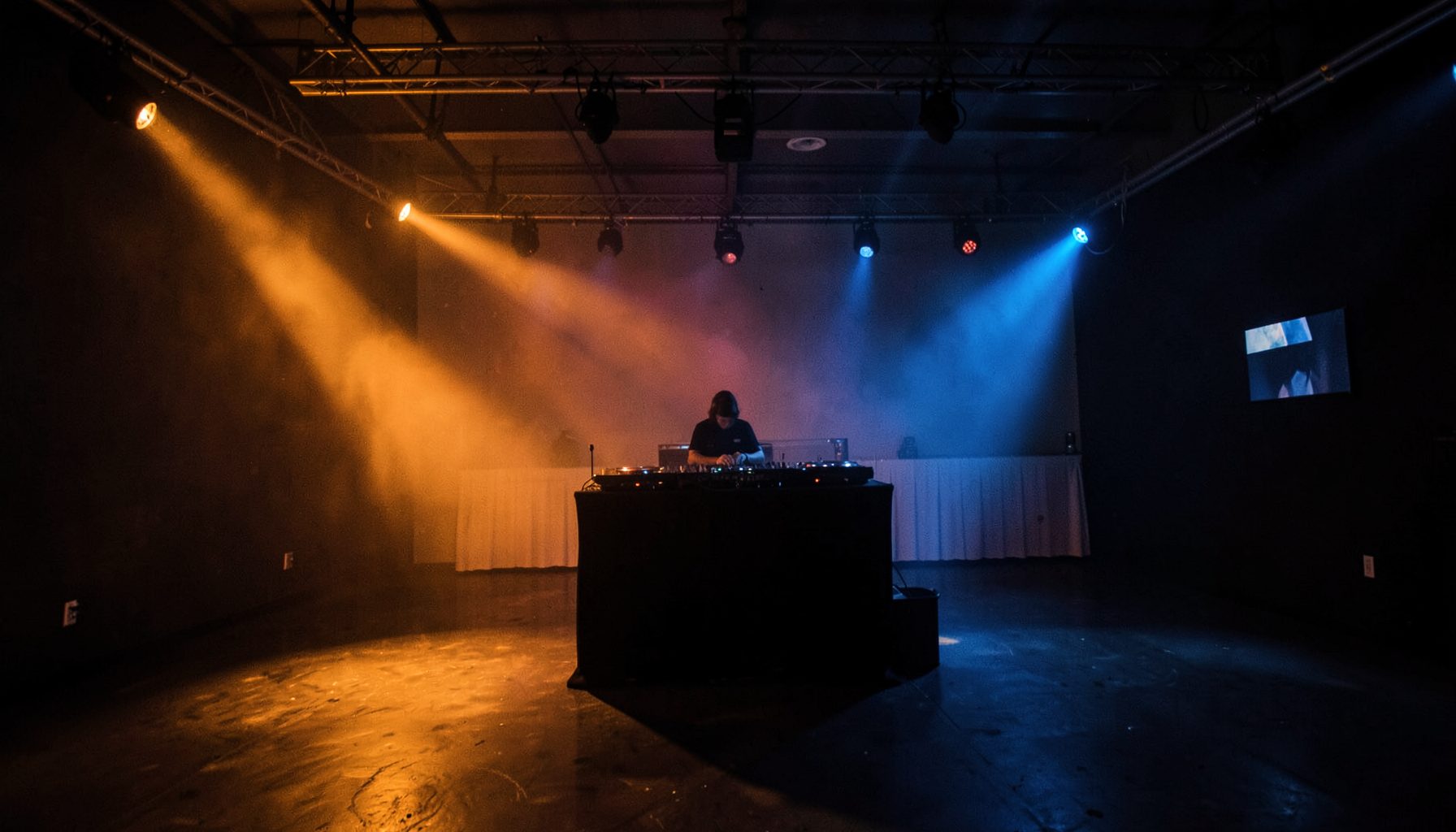
Insurance for Mobile Entertainers
N.A.M.E. partners with Brown & Brown Insurance to offer comprehensive liability and equipment coverage designed specifically for DJs, bands, photographers, and other mobile entertainers. Coverage up to $5,000,000 is available.
Learn about insurance →News & Updates
Stay informed with the latest announcements from the National Association of Mobile Entertainers, including trade show coverage, webinar updates, and member spotlights.
N.A.M.E. publishes a monthly e-newsletter via Constant Contact featuring discounts, member benefits, and upcoming industry expos.
Sign up for the newsletter →Find an Entertainer
Search the N.A.M.E. directory of DJs and mobile entertainers who have invested in their business and uphold the quality standards of the association. Members include DJs, hypnotists, photographers, bands, event planners, booking agents, theatrical groups, and comedians.
Browse the directory →Insurance Requirements Every Mobile Entertainer Should Know Before Booking a Venue
A successful event begins long before the first song, speech, or photograph. For mobile entertainers, it also begins with understanding the venue’s insurance expectations. Hotels, schools, municipalities, corporate offices, wedding venues, and private facilities may all require proof of coverage before allowing a DJ, band, photographer, or event professional to work on site.
Insurance requirements can vary by event type, location, equipment, and contract language. A venue may ask for a certificate of insurance, request to be named as an additional insured, or require specific liability limits. If those details are addressed after the booking is signed, an entertainer may face delays, extra costs, or an inability to perform.
Planning ahead protects more than a business license or sound system. The right coverage demonstrates professionalism, helps satisfy venue managers, and limits the financial impact of accidents, property damage, theft, or unexpected claims.
Start With General Liability Coverage
Commercial general liability is the foundation of protection for most mobile entertainment businesses. It typically addresses third-party bodily injury, third-party property damage, and certain personal or advertising injury claims arising from business operations. For example, a guest might trip over a cable, a speaker could damage a wall, or an employee might accidentally knock over venue property.
A personal insurance policy usually does not provide dependable protection for paid entertainment work. Homeowners and renters policies may exclude business activity, and a venue may reject them even when they appear to include some personal liability coverage. A dedicated business policy gives the entertainer documentation designed for professional operations.
Venues commonly ask for a per-occurrence limit and an aggregate limit. A $1 million per-occurrence limit with a $2 million aggregate is a frequent request, though requirements differ. The per-occurrence amount generally applies to one covered incident, while the aggregate is the maximum the policy may pay for covered claims during the policy period.
Read The Venue Contract Before Buying Coverage
Insurance obligations are often hidden in the agreement rather than explained by a venue coordinator. Review sections titled insurance, indemnification, risk management, premises rules, or vendor requirements before committing to a date. The contract may identify minimum limits, required endorsements, cancellation notice provisions, or a deadline for submitting a certificate.
Some venues require additional insured status. This can extend certain liability protection to the venue for claims connected to the entertainer’s operations, subject to the policy terms and endorsement language. A certificate alone does not create additional insured coverage; the appropriate endorsement must be issued by the insurer.
Other contracts ask for primary and noncontributory wording, a waiver of subrogation, or notification if coverage is canceled. These are technical requirements that should be reviewed with an insurance professional. Never assume that a standard certificate satisfies every clause in a venue agreement.
Match Coverage To Equipment And Services
Mobile entertainers transport valuable equipment between homes, venues, vehicles, and storage locations. General liability generally does not cover damage to the entertainer’s own speakers, lighting, computers, cameras, instruments, booths, or décor. Equipment coverage, often structured through an inland marine or business property policy, may address those assets while they are in transit or at temporary locations.
Create an inventory with model numbers, purchase dates, replacement values, and photographs. Accurate records can make it easier to select appropriate limits and support a claim. Ask whether the policy covers theft from a locked vehicle, accidental damage during setup, water damage, and equipment rented to or from another party.
The services offered also affect risk. A DJ using fog effects, a band operating elevated stages, a photographer carrying expensive cameras, and an event company supplying dance floors may need different endorsements or limits. Special effects, temporary structures, pyrotechnics, and staging can be excluded unless specifically accepted by the insurer.
Understand Certificates And Additional Insured Requests
A certificate of insurance, often called a COI, is a summary of existing coverage. It usually lists the named insured, policy dates, limits, and insurers. Venue staff use it as evidence that a policy is active, but a COI does not replace the policy or alter its terms.
When requesting a certificate, provide the venue’s legal name, address, event date, and submission instructions. If the venue must be listed as an additional insured, give the exact legal wording requested in the contract. A misspelled entity name or incomplete address can cause a certificate to be rejected and may require reissuance.
Some venues request that they receive advance notice of cancellation or nonrenewal. Insurance policies may not guarantee every form of notice a contract demands, so the agreement and policy should be compared carefully. A broker or carrier can explain what documentation is available and whether an endorsement is needed.
| Venue request | What it generally means | What the entertainer should verify |
|---|---|---|
| Certificate of insurance | Written evidence of active coverage and limits | Correct business name, dates, limits, and venue address |
| Additional insured | Certain venue protection under the entertainer’s liability policy | Required endorsement and exact legal entity name |
| Primary and noncontributory | The entertainer’s policy responds before the venue’s policy, subject to terms | Whether the endorsement is included |
| Waiver of subrogation | The insurer may waive recovery rights against a specified party | Whether it applies to the venue and relevant operations |
| Workers’ compensation | Coverage for eligible employees injured while working | State requirements and whether subcontractors are properly classified |
| Auto liability | Protection connected with business use of vehicles | Whether personal vehicles, trailers, and hired vehicles are covered |
Account For Employees And Vehicles
If an entertainer employs setup crews, assistants, performers, or office staff, workers’ compensation may be required by state law. The rules often depend on the number of employees, business structure, job duties, and state-specific exemptions. A venue may request proof even when the business is small.
Independent contractor status should not be assumed merely because a worker receives a tax form instead of a paycheck. Classification can depend on control, scheduling, tools, and the actual relationship. A venue may require contractors to carry their own liability coverage and submit certificates before entering the property.
Personal auto insurance may exclude or limit business use. This matters when transporting speakers, instruments, lighting, photo booths, or other equipment. Commercial auto coverage may be appropriate for a business-owned vehicle, while hired and non-owned auto coverage can address certain risks involving rented vehicles or personal vehicles used for business, depending on policy wording.
Watch For Common Exclusions And Gaps
A policy can meet a venue’s stated limit and still leave important exposures uncovered. Common exclusions may involve liquor liability, professional errors, intentional acts, communicable disease, watercraft, unmanned aircraft, special effects, or damage to property in the entertainer’s care, custody, or control. The wording differs between insurers, so assumptions can be costly.
Liquor liability deserves particular attention when an entertainer serves alcohol, sells drink packages, supplies bartenders, or is contractually responsible for alcohol service. General liability may exclude or restrict claims related to alcohol consumption. A separate liquor liability policy or endorsement may be necessary, even when the venue supplies the beverages.
Event cancellation and equipment breakdown coverage address different problems from liability insurance. Cancellation coverage may help with certain lost deposits or expenses after a covered cause, while equipment breakdown coverage may address mechanical or electrical failure. Neither automatically responds to every postponed event, weather event, or client cancellation.
Professional liability, sometimes called errors and omissions coverage, can be relevant when an entertainer provides planning, consulting, photography, production management, or other professional services. It may respond to allegations that a service error caused financial harm, subject to policy conditions and exclusions.
Keep A Venue-Ready Insurance File
Organized records make booking conversations faster and reduce last-minute administrative pressure. Maintain current policy declarations, certificates, endorsements, renewal dates, equipment inventories, contracts, subcontractor certificates, and claims contact information in one secure location.
Review coverage annually and whenever the business changes. Adding a photo booth, hiring staff, purchasing a trailer, performing at larger venues, or expanding into corporate production can change the appropriate limits. The insurance options available through a professional entertainment association may provide a useful starting point for comparing business protection designed for mobile entertainers.
Use the following checklist before confirming a venue date:
- Request the venue’s insurance requirements in writing before signing the contract.
- Compare requested limits and endorsements with the actual policy, not only the certificate.
- Confirm that equipment, vehicles, employees, subcontractors, and special services are properly addressed.
- Submit the certificate and additional insured request early enough to correct errors.
- Save the approved certificate, contract, and venue correspondence with the event file.
Make Insurance Part Of The Booking Process
Insurance should be treated as a routine part of qualification, just like pricing, availability, load-in details, and technical requirements. Asking for the venue’s requirements early gives an entertainer time to contact a broker, adjust coverage, or decline work that cannot be insured responsibly.
Professional associations can also help entertainers stay informed as contracts and industry practices change. N.A.M.E. has served mobile entertainers nationwide since 1996, offering education, business resources, member benefits, and access to N.A.M.E. membership information that can support a more organized business operation.
Before accepting the next booking, obtain the venue’s contract, identify every insurance clause, and verify the policy details with a qualified insurance representative. A current certificate may open the door, but carefully matched coverage helps keep the performance, the client relationship, and the business protected once the event begins.
Get in Touch
Contact N.A.M.E. for membership inquiries, insurance questions, or general information.