

N.A.M.E. National Office
Professional Association for Mobile Entertainers
Email: office@nameentertainers.net
Mail: P.O. Box 144, Willow Grove, PA 19090
for Mobile Entertainers Get Insurance Info
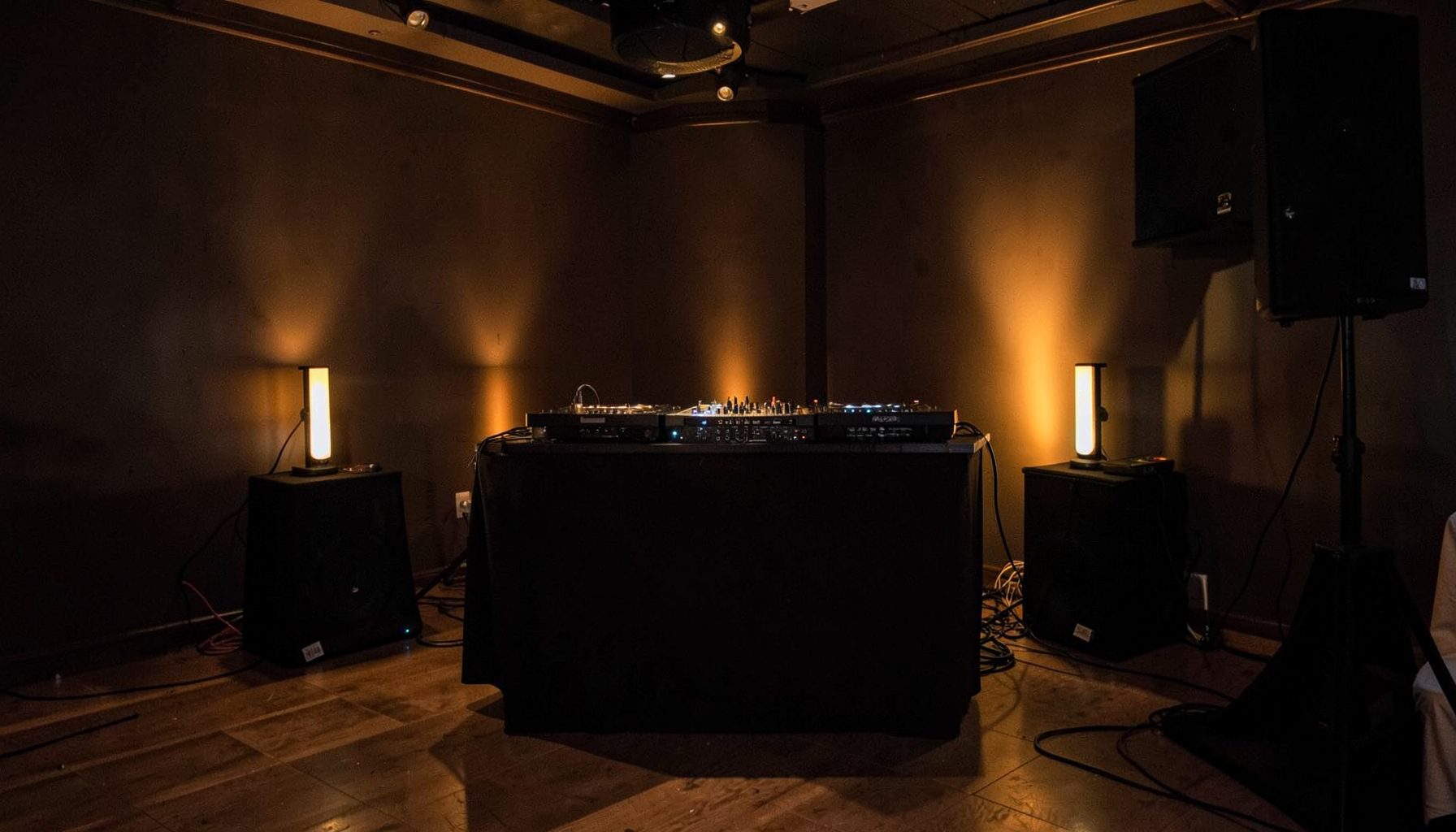
Insurance for Mobile Entertainers
N.A.M.E. partners with Brown & Brown Insurance to offer comprehensive liability and equipment coverage designed specifically for DJs, bands, photographers, and other mobile entertainers. Coverage up to $5,000,000 is available.
Learn about insurance →News & Updates
Stay informed with the latest announcements from the National Association of Mobile Entertainers, including trade show coverage, webinar updates, and member spotlights.
N.A.M.E. publishes a monthly e-newsletter via Constant Contact featuring discounts, member benefits, and upcoming industry expos.
Sign up for the newsletter →Find an Entertainer
Search the N.A.M.E. directory of DJs and mobile entertainers who have invested in their business and uphold the quality standards of the association. Members include DJs, hypnotists, photographers, bands, event planners, booking agents, theatrical groups, and comedians.
Browse the directory →Steps to take after your equipment is stolen from a venue
Equipment theft can disrupt an event business within minutes. A missing speaker, camera, lighting fixture, mixer, laptop, or wireless microphone may represent thousands of dollars in property, along with lost bookings and urgent replacement costs. The first response should protect people, preserve evidence, and create a clear record of what happened.
Whether the theft occurred during load-in, while gear was stored backstage, or after an event, avoid rushing straight into replacement purchases. A careful sequence of actions can improve the chance of recovering the equipment, support an insurance claim, and help you continue serving clients.
The process also requires communication. Venue management, law enforcement, your insurer, event clients, and business partners may each need different information. Accurate details and prompt reporting will make those conversations easier.
Secure the scene and report the theft
Start by confirming what is missing and ensuring that no one is placed at risk while checking storage areas, vehicles, loading docks, corridors, and other access points. Do not confront anyone you suspect. If the venue has security staff, ask them to preserve the area and restrict access until the relevant facts are documented.
Contact local law enforcement as soon as possible and request a formal theft report. Provide the venue address, estimated time range, serial numbers, identifying marks, photographs, receipts, and any information about witnesses. Ask for the report or incident number before leaving, since your insurer may require it during the claims process.
Notify the venue manager or event coordinator in writing. Keep the message factual: describe the missing property, when it was last seen, when the loss was discovered, and what steps have already been taken. Request that the venue retain surveillance footage, access-control logs, staff schedules, sign-in records, and incident reports. Video systems often overwrite recordings, so this request should happen quickly.
Create a complete record of the missing gear
Make an inventory before memory becomes less reliable. List every stolen item separately instead of grouping everything under broad labels such as “DJ equipment” or “camera kit.” Include the manufacturer, model, serial number, color, condition, accessories, purchase date, and estimated replacement cost.
Gather supporting documents from accounting files, email receipts, online orders, leasing agreements, and previous photographs. Images from event setup can help show that the equipment was in your possession and may reveal distinctive stickers, cases, cables, or modifications. If you bought an item secondhand, include the original listing, payment record, and any written transfer information.
Write down the timeline in chronological order. Record when the equipment arrived, where it was placed, who had access, when it was last observed, and when the loss was discovered. Include conversations with venue staff and police, but separate confirmed facts from assumptions. A precise timeline is more useful than an explanation that assigns blame without evidence.
Preserve digital records in their original form. Download messages, invoices, GPS data from transport vehicles, venue emails, and relevant photographs. Save copies in two secure locations, and avoid editing images or documents that could later be used as evidence. If the stolen property includes a laptop, tablet, phone, or storage drive, change passwords and revoke access to business accounts immediately.
Notify your insurer and begin the claim
Contact your insurance provider or broker promptly, even if the final value of the loss is still being calculated. A delay can complicate questions about when the theft was discovered, whether the policy’s reporting conditions were met, and whether temporary replacement costs are eligible. Ask which forms, police documents, receipts, proof of ownership, and estimates are required.
Review the policy carefully for distinctions between theft from a venue, theft from a vehicle, property in transit, unattended equipment, rented gear, and equipment left overnight. Coverage may depend on the circumstances and on whether particular security measures were required. A useful overview of equipment insurance coverage can help mobile professionals understand the kinds of questions commonly involved, though your own policy controls the claim.
Do not dispose of damaged cases, cut locks, broken cables, or other physical evidence until the insurer or adjuster says it is acceptable. Keep a running file of claim numbers, names, dates, and promised follow-ups. If the insurer requests an examination under oath, additional records, or a formal proof-of-loss statement, respond carefully and meet the stated deadlines.
| Action | Useful evidence | Why it matters |
|---|---|---|
| File a police report | Incident number, officer details, item list | Establishes an official record of the theft |
| Notify the venue | Email, manager’s statement, preserved footage | Documents access, timing, and venue response |
| Contact the insurer | Policy number, claim notice, loss summary | Starts the review and identifies required documents |
| Prove ownership | Receipts, bank records, serial numbers, photos | Supports the value and identity of each item |
| Track replacement needs | Rental invoices, client notices, substitute gear costs | Helps assess covered business interruption or temporary expenses |
Keep events moving while the claim is reviewed
A theft claim may take time, but scheduled events often cannot wait. First identify the gear needed for the next booking and separate essential replacements from convenient upgrades. Renting a comparable speaker system, camera body, lighting kit, or mixer may protect a client relationship while permanent equipment is sourced.
Keep all rental agreements and receipts. Ask the insurer in advance whether temporary equipment, expedited shipping, transportation, or other related expenses may be covered. Authorization is especially important before making large purchases, since reimbursement rules vary by policy.
Tell clients only what they need to know and avoid making unverified accusations. A short message can explain that an equipment issue has been addressed and that equivalent professional gear will be used. If a delay or change in production is unavoidable, communicate early, offer a specific solution, and document any agreed adjustment.
Review contracts for provisions concerning equipment failure, substitutions, force majeure, and cancellation. Theft does not automatically remove contractual responsibilities. Clear records and prompt service recovery can reduce disputes while the insurance and police processes continue.
Strengthen your business response system
A written equipment register is one of the simplest ways to prepare for a future loss. Store serial numbers, purchase documents, replacement values, photographs, and maintenance records in a secure cloud folder. Update it whenever you buy, sell, loan, rent, or retire an item.
Consider marking equipment with an owner identifier that is difficult to remove, such as an engraved business name or hidden registration code. Photograph those markings and maintain a separate list of cases, adapters, stands, cables, and small accessories. Thieves may separate kits, and small items can have meaningful replacement costs.
Use layered security at venues. Keep cases in a controlled area, limit access to essential crew, avoid leaving equipment unattended in public corridors, and use tamper-evident seals where practical. For vehicles, park in visible locations, remove equipment from sight, lock loading areas, and avoid leaving gear overnight unless the location has appropriate security.
Professional education can also improve preparedness. N.A.M.E. has served mobile entertainers nationwide since 1996 with insurance options, business resources, certifications, webinars, seminars, and industry support. Its member resources can help entertainers build stronger administrative and risk-management habits alongside their creative work.
Prioritize these recovery and prevention steps
A focused checklist helps prevent an upsetting incident from becoming an unmanageable business disruption:
- Report the theft to police and obtain the official incident number.
- Notify venue management, request written acknowledgment, and preserve surveillance footage.
- Contact your insurer promptly and ask about documentation, deductibles, and temporary replacements.
- Compile serial numbers, receipts, photographs, ownership records, and a detailed loss inventory.
- Secure business accounts, replace compromised credentials, and monitor devices that may contain client information.
After the immediate claim is underway, review how the theft happened. Identify whether the weak point was venue access, transport, storage, crew procedures, vehicle security, or inventory control. The purpose is to improve the process rather than assign unsupported blame.
You can also consult experienced professionals who understand the realities of mobile entertainment work. N.A.M.E.’s staff and advisory board represent perspectives from across the industry and provide a useful starting point for finding practical guidance, education, and professional standards.
Rebuild with a documented plan
Replacing stolen equipment is an opportunity to restore your working kit with better records and clearer controls. Before purchasing, compare replacement values with current policy limits, confirm whether newly acquired gear must be reported, and check whether rented or borrowed items require separate coverage. Keep invoices and update the inventory as each replacement arrives.
Create a simple incident file template for future use. It should include emergency contacts, insurer information, venue contacts, police reporting details, inventory fields, client communication templates, and a space for a chronological timeline. Having this material ready reduces decision-making pressure during a stressful event.
Take action today by documenting your equipment, reviewing your coverage, and saving the reporting steps where your team can reach them. When theft occurs, a fast report, complete evidence file, and coordinated insurance response can protect your livelihood while you get back to delivering reliable events.
Get in Touch
Contact N.A.M.E. for membership inquiries, insurance questions, or general information.