

N.A.M.E. National Office
Professional Association for Mobile Entertainers
Email: office@nameentertainers.net
Mail: P.O. Box 144, Willow Grove, PA 19090
for Mobile Entertainers Get Insurance Info
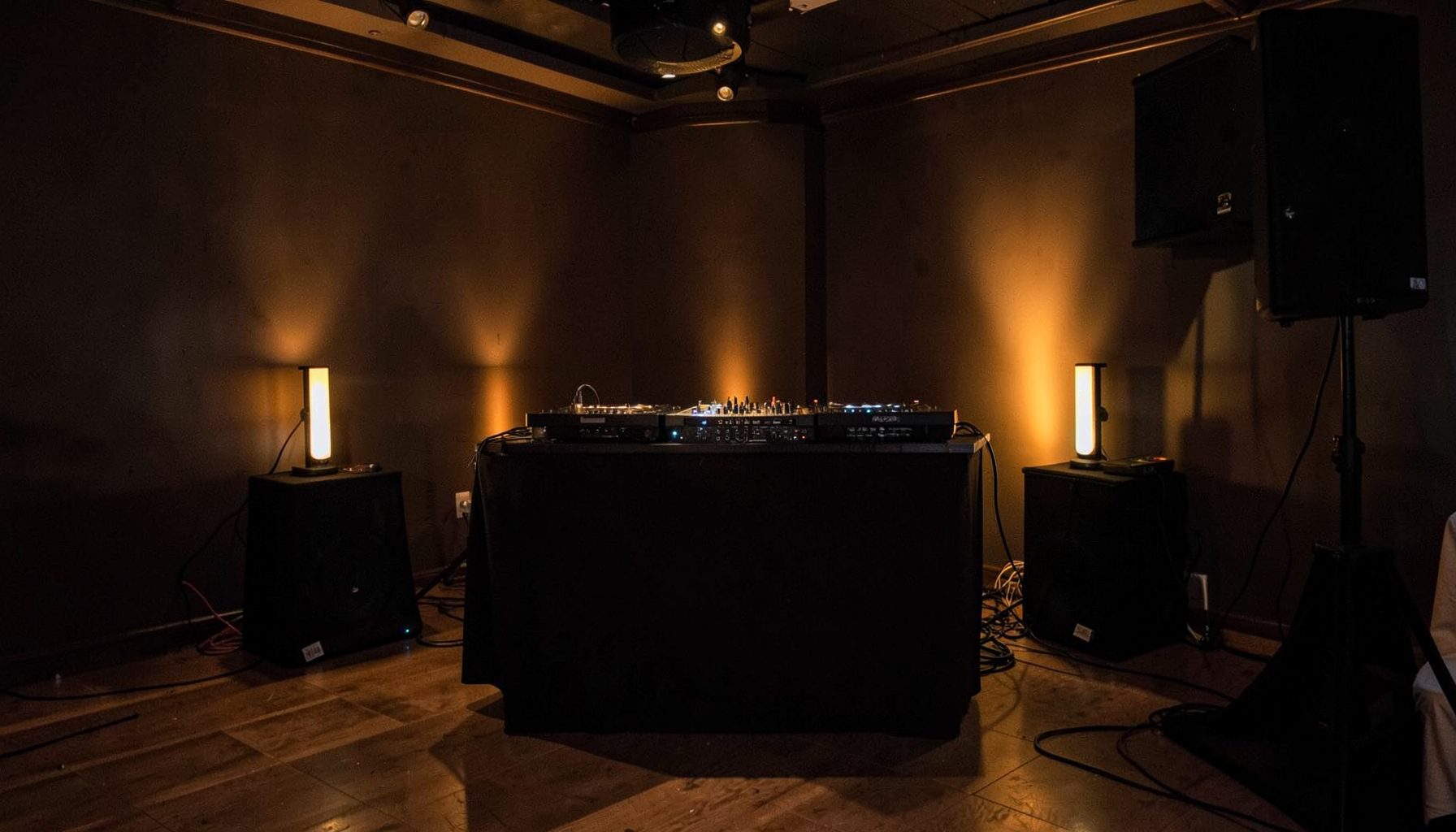
Insurance for Mobile Entertainers
N.A.M.E. partners with Brown & Brown Insurance to offer comprehensive liability and equipment coverage designed specifically for DJs, bands, photographers, and other mobile entertainers. Coverage up to $5,000,000 is available.
Learn about insurance →News & Updates
Stay informed with the latest announcements from the National Association of Mobile Entertainers, including trade show coverage, webinar updates, and member spotlights.
N.A.M.E. publishes a monthly e-newsletter via Constant Contact featuring discounts, member benefits, and upcoming industry expos.
Sign up for the newsletter →Find an Entertainer
Search the N.A.M.E. directory of DJs and mobile entertainers who have invested in their business and uphold the quality standards of the association. Members include DJs, hypnotists, photographers, bands, event planners, booking agents, theatrical groups, and comedians.
Browse the directory →Smart Ways to Store Your Event Insurance Documents for Fast Access
When a venue manager in Melbourne asks for your public liability certificate while guests are queuing to enter, the last thing you want is to rummage through bags or scroll endlessly through a cluttered email inbox. Mobile entertainers across Australia face this scenario more often than many realise, especially during peak season when weddings, school formals, and corporate functions stack up from October through April. Having a reliable system for storing insurance paperwork is not just a matter of organisation, it directly affects your professional reputation and your ability to operate without interruption.
The mobile entertainment sector in Australia is wide-ranging, covering DJs spinning sets at Hunter Valley weddings, photographers shooting on Cable Beach, bands playing at RSL clubs in regional Queensland, and event planners running festivals from Perth to Parramatta. Each of these working situations carries its own requirements for documentation access, often shaped by local council regulations, venue policies, or liquor licensing rules. A clear, repeatable storage strategy means you spend your energy on the performance, not on the paperwork.
Why Insurance Paperwork Must Travel With You
Public liability insurance is mandatory for many types of bookings in Australia, and some states require evidence on demand. A council in New South Wales, for example, may request sighting of a certificate of currency before issuing a permit for a public event in a local park. A winery in the Barossa Valley hosting a private function might ask for proof before allowing electrical gear on site. The certificate is essentially your ticket to operate, and proving you hold it quickly keeps the gig running smoothly.
Beyond the legal angle, clients and venues increasingly expect a polished process. Showing up with a damaged crumpled printout from years ago or a missing email raises doubt about how the rest of your business is run. On the flip side, a prompt, well-presented document delivery signals reliability from the moment you arrive at load-in.
Comparing Storage Methods at a Glance
| Method | Speed of Access | Reliability Offline | Security Risk | Best For |
|---|---|---|---|---|
| Printed folder in vehicle | Instant | Full | Loss, water damage | Initial registration, council checks |
| Phone gallery of PDFs | Fast | Full if downloaded | Phone theft or breakage | Venue arrival, minor requests |
| Cloud drive accessed via mobile data | Moderate | None without download | Account breach | Sharing digital copies remotely |
| Dedicated offline hard drive | Slow to access | Full | Hardware failure | Long-term archiving |
| Email archive | Slow if unsearchable | None online | Account compromise | Older policy records |
This overview gives a starting point, but the right answer often combines several of these approaches in a layered system.
Building a Digital Folder That Loads in Seconds
The most practical approach for most mobile entertainers is to keep a small, well-named folder of PDFs on the phone itself, with a mirrored copy in a cloud account. PDFs of your certificate of currency, equipment cover, and any rider-specific policies should be named using a clear convention such as PLI_Certificate_Name_Year.pdf. Avoid generic titles like document1 or scan0002, because searching across hundreds of files on a wet Saturday afternoon at a Coffs Harbour surf club becomes unnecessarily painful.
Set your phone to sync the folder automatically. Both iCloud and Google Drive offer offline access settings, and configuring each policy file to "available offline" removes the dependence on mobile coverage in regional areas where Telstra or Optus signals can drop. Streamlined access becomes essential when the single page that matters refuses to load mid-conversation.
Keep the folder lean. Archive past policies in a separate folder dated by year, but the active folder should only contain the current certificate, equipment schedule, and any specific endorsements required for high-risk bookings such as those involving fog machines or elevated stages.
Working With Australian Connectivity Realities
Regional and remote events come with their own set of storage considerations. A DJ rostered for a country wedding near Longreach, or a band booked for a rodeo in Mount Isa, cannot rely on consistent 4G access. Downloaded copies on the device become the primary source. Conversely, capital-city venues in Sydney, Brisbane, or Adelaide almost always have guest Wi-Fi, allowing quick retrieval from cloud storage if the local copy is somehow inaccessible.
Heat is another often overlooked factor. Leaving a paper folder in the boot of a car parked at a January outdoor festival can warp pages over time, especially during events where the sun beats down for hours on a metal vehicle roof. Plastic sleeves and a cooled storage compartment inside the cabin are a small but worthwhile investment for protecting both paper and electronic media alike.
Creating an Event-Day Retrieval Routine
Form a habit, not a hope. Before every booking, open the folder and verify the certificate of currency is the latest version. Some insurers issue updated documents mid-policy if a renewal lands, and it is easy to overlook the change. A 30-second check during load-in prep prevents the embarrassing moment of presenting an expired certificate to a venue coordinator.
For larger setups, print one backup copy that lives in a labelled plastic wallet. Place the wallet where a crew member can grab it without having to unpack the entire vehicle. Many seasoned operators who tour between Byron Bay and Geelong keep a colour-coded tab system: red for public liability, blue for equipment cover, yellow for workers compensation where applicable.
When a request comes in, hand over the digital version first via email or text message, then follow up with the printed copy if the venue insists on a wet signature or stamp. This dual approach covers nearly every scenario an Australian mobile entertainer is likely to encounter, from formal corporate ballrooms to informal backyard gatherings.
What Your Professional Association Offers
Members of N.A.M.E. can draw on guidance from the staff advisory board when shaping their own document systems, particularly around policy changes affecting the industry. The association has supported mobile entertainers across Australia since 1996 and stays current with insurer requirements, council expectations, and best practice across the states.
Regular webinars cover practical topics such as handling on-site incidents, communicating with venue management, and preparing for unexpected weather events that might force last-minute cancellations. These sessions often include reference templates that members can adapt for their own filing structure. Pairing that guidance with the storage methods outlined above creates a workflow that protects both the entertainer and the client experience.
Habits Worth Keeping Across a Long Career
Storage habits evolve, but the core principles remain: accessibility, redundancy, and clarity. Treat the insurance folder the same way a chef treats a mise en place, every element in its place before the rush begins. Update the folder the moment a new policy is issued, and remove anything more than seven years old to a separate archive kept in line with standard record-keeping guidelines.
Choosing gear and cloud services that feel intuitive also matters. The fanciest encrypted vault is useless if you forget the password at the end of a 14-hour event day. Pick tools you would confidently use while half-asleep on a return trip from a regional New South Wales gig, when small oversights turn into big headaches.
Stay in touch with peers who work in similar spaces. A quick exchange at a N.A.M.E. seminar or in a member chat can surface better apps, smarter folder layouts, or simpler habits that save hours across a year. The mobile entertainment community in Australia is generous with practical wisdom, and the right storage setup is one piece of that shared knowledge.
Useful items for an Australian mobile entertainer's document kit:
- A rugged plastic sleeve or document wallet rated for heat and moisture exposure
- A dedicated cloud account separate from personal photos and messages
- A small portable scanner for one-off signature requirements at venues
- A waterproof pouch for any printed backup kept in the work vehicle
- A subscription to a reputable e-signature service accepted by most venues
- A list of insurer contact details stored alongside the policy folder
Pre-event verification steps before every contracted booking:
- Confirm the certificate of currency is the latest issued version
- Verify offline access is enabled on the phone for the policy folder
- Place the printed backup in a known, reachable spot inside the vehicle
- Inform at least one crew member or support contact where documents are kept
- Save the insurer's claims hotline and policy number in the phone contacts
- Send a digital copy to the venue or coordinator the day before, where appropriate
Browse upcoming N.A.M.E. events, review current member resources, and consider refining your storage setup before the next busy booking season arrives in full force across capital cities and regional towns alike.
Get in Touch
Contact N.A.M.E. for membership inquiries, insurance questions, or general information.