

N.A.M.E. National Office
Professional Association for Mobile Entertainers
Email: office@nameentertainers.net
Mail: P.O. Box 144, Willow Grove, PA 19090
for Mobile Entertainers Get Insurance Info
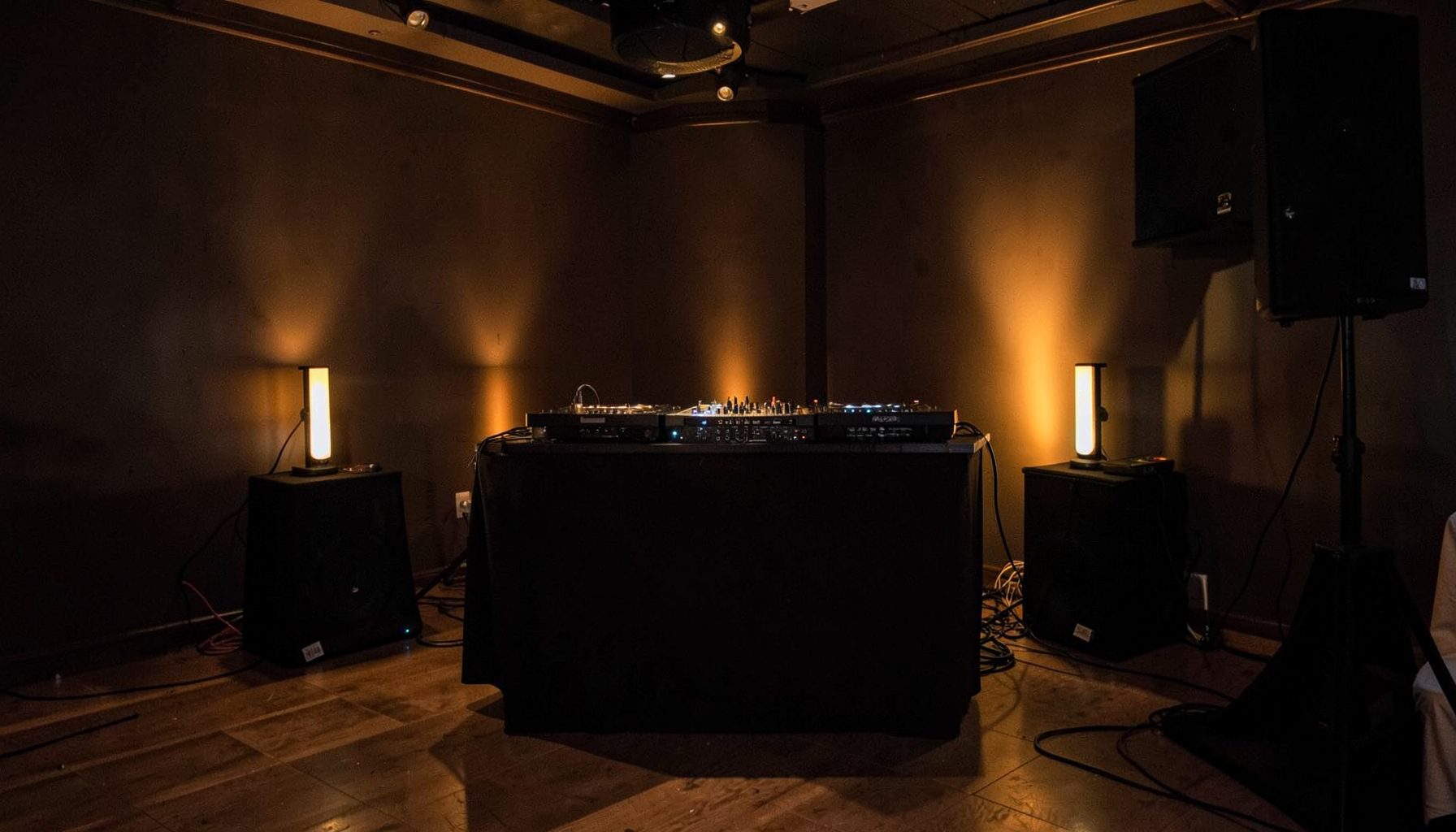
Insurance for Mobile Entertainers
N.A.M.E. partners with Brown & Brown Insurance to offer comprehensive liability and equipment coverage designed specifically for DJs, bands, photographers, and other mobile entertainers. Coverage up to $5,000,000 is available.
Learn about insurance →News & Updates
Stay informed with the latest announcements from the National Association of Mobile Entertainers, including trade show coverage, webinar updates, and member spotlights.
N.A.M.E. publishes a monthly e-newsletter via Constant Contact featuring discounts, member benefits, and upcoming industry expos.
Sign up for the newsletter →Find an Entertainer
Search the N.A.M.E. directory of DJs and mobile entertainers who have invested in their business and uphold the quality standards of the association. Members include DJs, hypnotists, photographers, bands, event planners, booking agents, theatrical groups, and comedians.
Browse the directory →How Certifications Can Improve Insurance Outcomes For Mobile Entertainers
For mobile entertainers, insurance pricing reflects more than the size of a business or the number of events booked. Underwriters assess the likelihood of claims, the quality of operating procedures, the equipment used, the venues served, and the steps an entertainer takes to prevent accidents. Professional certifications can strengthen that risk profile by showing that a DJ, band, photographer, event planner, or other event professional has invested in structured training.
A certification does not automatically produce a lower premium. Insurance companies set rates according to their own underwriting rules, and a credential may be more valuable with one carrier than another. Its practical benefit is that it can support a stronger application, improve risk documentation, and demonstrate that the business is prepared to handle common event-related hazards.
For members of the National Association of Mobile Entertainers, certifications can also connect education with broader business protection. Training in safety, contracts, equipment handling, and professional conduct gives entertainers useful evidence to share with an insurance provider when discussing coverage and renewal terms.
What Underwriters Look For In An Entertainment Business
Insurance carriers generally want to understand how an entertainer operates in the real world. They may review the type of events performed, annual revenue, number of employees or subcontractors, equipment values, travel radius, and whether work takes place at private residences, hotels, public venues, or outdoor locations. A company that has documented procedures may appear easier to evaluate than one that provides only vague descriptions of its activities.
Certifications can help fill that information gap. A recognized course or credential may show that the business owner understands crowd awareness, electrical safety, setup and teardown, client communication, emergency response, or professional standards. These details do not eliminate risk, but they can help an underwriter distinguish a carefully managed operation from one with no formal controls.
The strongest effect often comes when the credential is supported by everyday evidence. Written inspection checklists, signed contracts, incident reports, staff training records, and equipment maintenance logs make a certification more credible. The certificate opens the conversation; consistent business practices give it substance.
Why Training Can Affect Liability Risk
Mobile entertainment involves several forms of exposure. Speakers, lighting stands, cables, trusses, cases, and power supplies can create property damage or bodily injury hazards. A performer may also be accused of causing financial harm through a service error, failing to meet a contractual obligation, or providing advice that a client relied on. Understanding the difference between these exposures is essential when selecting insurance.
A useful overview of liability coverage options explains how general liability and professional liability address different types of claims. Certification programs that cover contracts, client expectations, and operational safety can reinforce both areas of risk management, although training cannot replace a properly designed policy.
From an insurer’s perspective, education may reduce the chance of preventable mistakes. A trained entertainer is more likely to identify unstable equipment, confirm venue restrictions, use appropriate weather precautions, and clarify the scope of services before an event. Those habits can support a favorable underwriting profile, particularly when they are applied consistently across multiple bookings.
Credentials And Their Possible Insurance Value
Not every certification carries the same weight. A credential from an established professional association, recognized training provider, equipment manufacturer, or safety organization may be easier for an insurer to evaluate than an informal attendance certificate. The subject matter also matters. A course directly related to event safety, business operations, first aid, or technical equipment is more relevant to underwriting than a credential with no connection to the insured activities.
The following comparison shows how different types of education may contribute to an insurance discussion:
| Credential or Training Area | Risk Management Value | Information To Keep |
|---|---|---|
| Event safety certification | Supports safer crowd, venue, and setup procedures | Certificate, course outline, renewal date |
| Equipment or electrical training | Shows attention to inspection, loading, and power safety | Completion record and maintenance process |
| First aid or emergency response | Demonstrates preparation for incidents during events | Current certification card |
| Contract and business training | Helps reduce disputes about services and expectations | Course details and sample procedures |
| Manufacturer training | Indicates familiarity with specific equipment | Certificate and equipment list |
| Association credential | Shows commitment to professional standards | Membership and credential records |
An underwriter may apply a discount, ask fewer follow-up questions, or simply record the certification as a positive factor. The result depends on the carrier, the policy type, claims history, and the rest of the application. It is important to ask directly whether a particular credential qualifies for a rate adjustment rather than assuming that all certificates receive identical treatment.
Certification can also have an indirect financial benefit. Better training may lead to fewer claims, fewer damaged items, and fewer client disputes over time. A strong loss history can become increasingly valuable at renewal, because insurers often consider prior claims when determining future pricing. In that sense, education supports both the immediate application and the long-term insurability of the business.
How To Present Certifications During Application
A single line stating “certified professional” is unlikely to tell an underwriter enough. Applicants should provide the certification name, issuing organization, completion date, expiration date, course topics, and the business procedures that resulted from the training. If the credential requires periodic renewal or continuing education, include that information as well.
It also helps to connect credentials to actual controls. For example, a DJ might explain that equipment training led to documented cable inspections and venue power checks. A photographer might describe backup procedures for memory cards and image storage. An event planner might show a vendor verification process, emergency contact sheet, and written client approval procedure.
Keep copies of certificates and related records in one accessible file. An organized insurance packet can include:
- Current certificates and renewal dates
- Training syllabi or descriptions of covered subjects
- Equipment inspection and maintenance logs
- Employee or subcontractor training records
- Sample contracts, waivers, and incident procedures
These materials may not be required for every policy, but they make it easier to answer underwriting questions accurately. They can also help an agent identify coverage gaps, such as inadequate limits, missing additional insured provisions, or a mismatch between business activities and the policy description.
Certifications Work Best With Complete Coverage
Training reduces preventable errors, while insurance transfers financial risk that remains after reasonable precautions. The two functions are related but not interchangeable. A certified entertainer can still face a claim involving an injured guest, damaged venue property, a missed performance, or an alleged professional mistake. The policy must respond to the exposures created by the actual business.
Coverage limits should reflect the venues and clients served. Some hotels, municipalities, and corporate clients require certificates of insurance, additional insured status, or specific limits before allowing an entertainer to work. A credential may strengthen professional credibility, but it does not satisfy a venue’s contractual insurance requirement by itself.
Business owners should also review whether their equipment is protected while stored, transported, or used away from home. General liability typically addresses third-party bodily injury and property damage, while equipment coverage may address the entertainer’s own gear. Professional liability may be relevant when a client alleges that advice, planning, or service performance caused financial harm. Each policy has exclusions and conditions that deserve careful review.
Making Education Part Of A Risk Strategy
The greatest value of certification comes when it becomes part of an ongoing management system. Refresh training when equipment changes, new employees join the business, or services expand. A company that begins offering photo booths, event production, livestreaming, or planning services should update its insurance description as well as its training records.
Professional associations can make this process more practical by combining education with business resources, industry information, and peer standards. N.A.M.E. supports mobile entertainers with insurance options, certifications, consulting, marketing resources, seminars, webinars, and a professional directory. Members can review N.A.M.E. member resources to connect their professional development with broader business planning.
Track outcomes as well as certificates. Note near misses, client complaints, equipment failures, and successful safety interventions. This information can reveal where additional training is needed and help demonstrate to an insurer that the business actively learns from its operations.
A credential should be treated as evidence of a process, not as a substitute for one. When training, documentation, contracts, maintenance, and coverage all support the same risk-control approach, the business presents a clearer and more persuasive case during an insurance review.
Steps To Strengthen Your Insurance Profile
- Choose certifications that directly relate to event safety, equipment, emergency response, contracts, or professional services.
- Ask your insurance agent or carrier whether a specific credential can influence eligibility, underwriting, or premium pricing.
- Keep certificates, course descriptions, renewal dates, and training records together with other insurance documents.
- Match your policy description and limits to every service you provide, including newer offerings and subcontracted work.
- Review claims, incidents, and operating procedures annually before requesting a renewal quote.
Put Professional Development To Work
Certification can give an entertainment business a measurable way to show competence, but its insurance value depends on relevance, recognition, and implementation. Pairing a credential with documented procedures and appropriate liability coverage creates a more complete risk story for underwriters and clients alike.
For continuing education, member news, and practical business information, sign up for updates. Then gather your credentials and operating records before your next insurance conversation so your training is visible, useful, and connected to the way you actually work.
Get in Touch
Contact N.A.M.E. for membership inquiries, insurance questions, or general information.