

N.A.M.E. National Office
Professional Association for Mobile Entertainers
Email: office@nameentertainers.net
Mail: P.O. Box 144, Willow Grove, PA 19090
for Mobile Entertainers Get Insurance Info
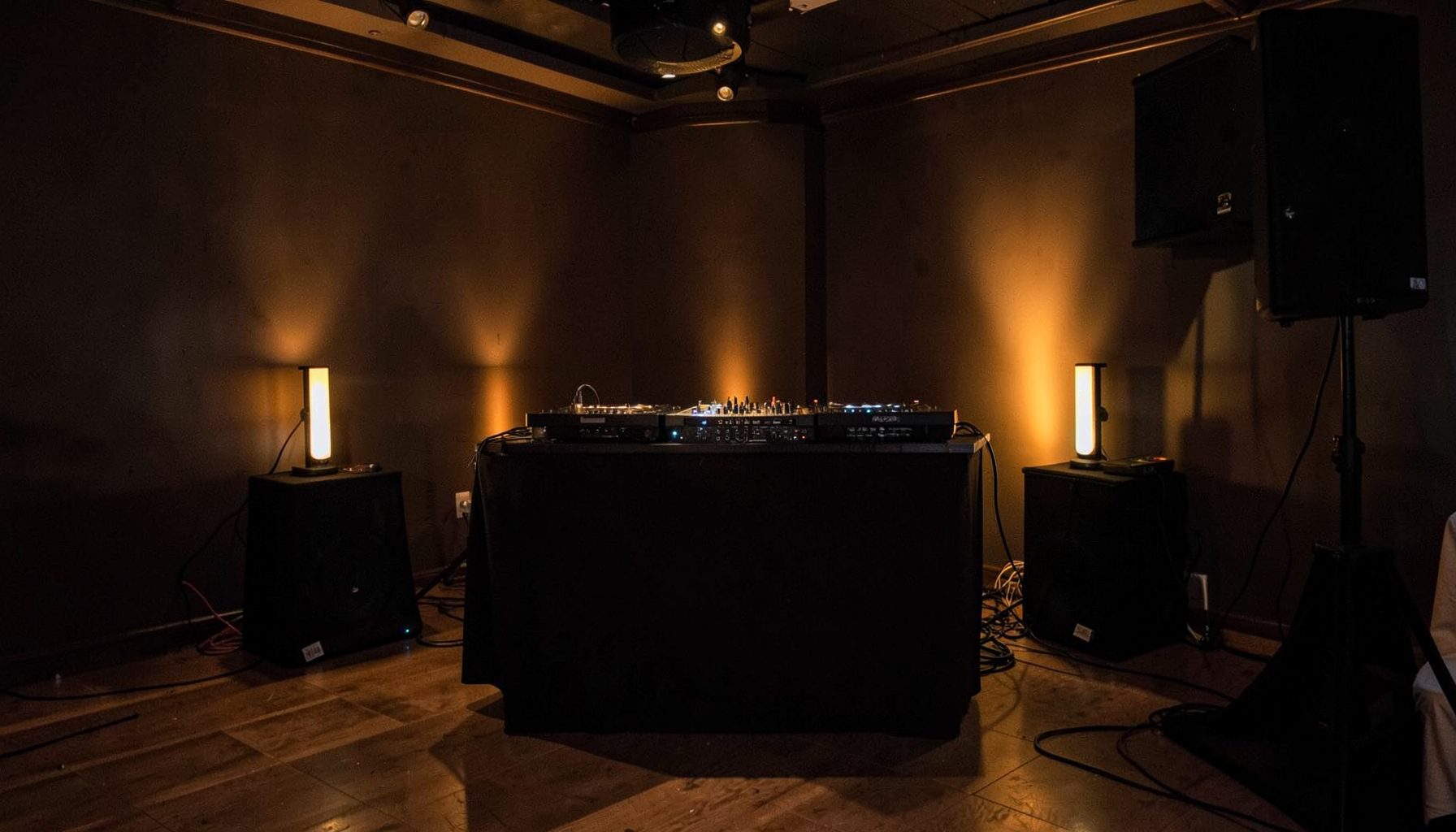
Insurance for Mobile Entertainers
N.A.M.E. partners with Brown & Brown Insurance to offer comprehensive liability and equipment coverage designed specifically for DJs, bands, photographers, and other mobile entertainers. Coverage up to $5,000,000 is available.
Learn about insurance →News & Updates
Stay informed with the latest announcements from the National Association of Mobile Entertainers, including trade show coverage, webinar updates, and member spotlights.
N.A.M.E. publishes a monthly e-newsletter via Constant Contact featuring discounts, member benefits, and upcoming industry expos.
Sign up for the newsletter →Find an Entertainer
Search the N.A.M.E. directory of DJs and mobile entertainers who have invested in their business and uphold the quality standards of the association. Members include DJs, hypnotists, photographers, bands, event planners, booking agents, theatrical groups, and comedians.
Browse the directory →What equipment insurance covers for a wedding photographer
A wedding photographer carries valuable gear into crowded venues, unfamiliar properties, outdoor locations, and fast-moving celebrations. Cameras, lenses, flashes, computers, memory cards, and lighting equipment can represent a substantial investment, and a single accident may affect both the photographer’s finances and the couple’s wedding coverage.
Equipment insurance is designed to protect business property when it is damaged, lost, or stolen under covered circumstances. The exact protection depends on the policy, its limits, deductible, exclusions, and whether coverage applies at the studio, in transit, or at an event location.
Understanding these details helps photographers choose suitable protection instead of assuming that homeowners insurance, a venue’s policy, or a camera manufacturer’s warranty will handle every business-related loss. A professional association such as N.A.M.E. can also provide access to equipment and liability insurance options alongside education, consulting, and business resources.
What a wedding photography policy usually protects
The core of an equipment policy generally covers the tools used to produce and deliver photographic work. That may include camera bodies, interchangeable lenses, flashes, light meters, tripods, monopods, stabilizers, drones when specifically accepted by the insurer, batteries, chargers, and portable lighting.
Coverage can extend to supporting technology as well. Laptops, tablets, external drives, card readers, tethering equipment, and editing hardware may qualify when they are listed as business property. Some policies also address specialized items such as photo booths, backdrops, props, or printers, although these may require separate scheduling or additional limits.
A policy may cover equipment owned by the photographer, while rented, borrowed, or leased items often require specific treatment. If a photographer accepts a second shooter’s camera or rents a premium lens for a large wedding, the policy should clearly state whether those items are insured and under what conditions.
Where coverage applies during an event
Many photographers need protection beyond a home studio. A wedding day can involve a hotel room, church, reception hall, outdoor garden, private residence, vehicle, airport, or temporary workspace. Equipment insurance may follow the gear away from the listed business address, subject to territorial and operational conditions.
Protection during transportation is especially important. Cameras can be damaged when a bag falls from a vehicle, a case is crushed by luggage, or equipment is exposed to rain while moving between locations. Coverage may apply during transit, but insurers can impose requirements involving locked vehicles, unattended property, approved cases, or the use of carry-on baggage for high-value items.
The venue itself does not automatically protect a photographer’s property. A facility’s insurance usually addresses the venue’s own responsibilities, and a couple’s event policy may focus on liability or cancellation rather than a vendor’s camera kit. Equipment coverage gives the photographer a separate layer of protection for business property.
Damage, theft, and important exclusions
Covered damage can include accidental impacts, drops, spills, fire, smoke, water damage, and certain weather-related incidents. For example, a camera knocked from a reception table or a lens damaged when a tripod collapses may qualify for repair or replacement if the event falls within the policy terms.
Theft protection commonly depends on the circumstances. A camera taken from a locked vehicle may be treated differently from one left unattended in an open venue. Some policies require evidence of forced entry, a police report, or prompt notification. Gear that disappears because it was mislaid may be excluded unless the policy includes a broader form of loss coverage.
Wear and tear, mechanical breakdown, gradual deterioration, corrosion, intentional damage, and manufacturing defects are frequently excluded. A warranty or service plan may address defects, while insurance responds to sudden and accidental covered events. Flood, earthquake, unattended property, drone use, international travel, and data loss may also have restrictions or separate conditions.
The table below illustrates common categories, but it does not replace the policy wording.
| Equipment or event | Coverage may apply when | Common limitation |
|---|---|---|
| Camera body or lens | It is accidentally dropped or damaged by a covered incident | Deductible, depreciation, or scheduled-value rules may apply |
| Flash or light stand | It is damaged during setup or an event | Improper use or ordinary wear may be excluded |
| Laptop or editing drive | It is stolen during a covered business loss | Data restoration may require separate cyber or data coverage |
| Rented equipment | The policy specifically includes rented or leased gear | A rental company may require its own protection or certificate |
| Equipment in a vehicle | The loss follows a covered theft or accident | Unattended-vehicle conditions can be strict |
| Camera bag and accessories | They are listed or included within the property limit | Small accessories may share a lower sublimit |
Replacement value and policy limits
A photographer should calculate coverage limits from current replacement costs rather than the original purchase price. A five-year-old camera may cost less than its original price, while a discontinued lens or professional mirrorless body may cost more to replace. The policy may settle a claim according to actual cash value, agreed value, or replacement cost, and those approaches produce different results.
Scheduling high-value items can make a major difference. Instead of placing every item under one general limit, the photographer may identify specific camera bodies, lenses, computers, or lighting systems with their individual values. Scheduled property can provide clearer protection, though the insurer may request receipts, serial numbers, appraisals, or photographs.
Underinsurance creates a serious problem when a claim involves multiple items. A photographer with $40,000 of equipment may purchase a $15,000 limit because the premium seems attractive, only to discover that the available protection cannot fund a complete replacement. A current inventory helps establish a realistic amount and reveals whether seasonal rentals need additional coverage.
Deductibles also affect the practical value of a policy. A higher deductible can reduce premium costs but may be difficult to absorb during a busy wedding season. The right balance depends on cash reserves, equipment value, claim frequency, and how quickly the business must return to work after a loss.
Coverage for business interruption and data
Equipment insurance primarily addresses physical property, but a wedding photographer may face financial consequences beyond the damaged item. If a camera is destroyed before a booked wedding, the photographer may need to rent replacement equipment, hire an associate, or reschedule editing work. Some policies offer limited extra expense or business income protection, while others do not.
Digital files require special attention. A damaged hard drive does not necessarily mean that the cost of recreating wedding images is covered. Physical media, data recovery, cloud storage, cyber incidents, and professional liability involve different insurance questions. A photographer should maintain multiple backups and ask specifically how the policy treats stored images, memory cards, and recovery expenses.
Liability insurance is separate from equipment insurance. If a guest trips over a light stand, a venue claims that property was damaged, or someone is injured by a photographer’s setup, general liability coverage may become relevant. Many venues request proof of liability insurance before allowing a vendor to work, so a complete business insurance strategy often includes both property and liability protection.
N.A.M.E. serves mobile entertainers nationwide and offers insurance options designed for working professionals, along with business education and consulting. Photographers can review the organization’s staff advisory board to learn more about the professional perspective behind its member services.
Questions to ask before selecting a policy
Policy language matters more than a short summary or a low headline premium. Ask whether coverage is worldwide or limited to specific territories, whether it applies while equipment is in a vehicle, and whether rented gear, employee property, or equipment loaned to another person is included.
The claims process should also be clear. Find out how quickly losses must be reported, what documentation is required, whether repairs must use an approved service provider, and how the insurer determines a replacement price. Keeping receipts, serial numbers, purchase dates, maintenance records, and current photographs in secure cloud storage can make verification easier.
A photographer should also ask how the insurer treats second shooters and assistants. If an assistant damages a lens or takes equipment to a separate location, the answer may depend on employment status, custody of the property, and the wording of the policy. Clear internal procedures reduce uncertainty during a claim.
Professional resources can help photographers track changing business risks and insurance considerations. N.A.M.E. publishes industry news and member updates, and its newsletter updates can keep members informed about educational opportunities and association developments.
A practical protection routine
Insurance works best when it is supported by consistent equipment management. Before each wedding, the photographer can check serial numbers, charge batteries, test memory cards, inspect straps, and confirm that backup bodies and lenses are available. A written packing list also helps identify missing property before leaving a venue.
During the event, gear should remain within a controlled area whenever possible. Bags can be secured in a locked room or kept with a trusted assistant, while cameras and lenses should not be left openly in vehicles. Venue staff should be told about valuable equipment storage arrangements when appropriate.
After a loss, the photographer should prioritize safety, notify the venue or police where necessary, document what happened, and contact the insurer promptly. Photographs of damage, witness details, receipts, rental agreements, and a written timeline can all support the claim. Repairs should generally wait until the insurer provides instructions, unless immediate action is needed to prevent further damage.
Steps worth taking before the next booking
- Create a current inventory with replacement values, serial numbers, receipts, and photographs.
- Confirm that cameras, computers, lighting, accessories, and rented equipment fall within the policy’s definitions.
- Review exclusions involving vehicles, unattended property, water, travel, drones, and data.
- Choose limits and deductibles that match the business’s actual equipment and available cash reserves.
- Store policy documents, inventory records, backup details, and claim contacts in a secure online location.
N.A.M.E. also provides broader member benefits, including certifications, webinars, seminars, discounts, marketing support, and educational resources. When reviewing how professional information is handled online, photographers can read the association’s privacy policy.
A wedding photographer’s equipment is central to the service promised to every couple, so protecting it is a business continuity decision as much as a financial one. Review the current inventory, compare it with the policy schedule and limits, and speak with an insurance professional about gaps involving liability, rented equipment, data, and travel. The right coverage can help keep the business working when an unexpected loss threatens a carefully planned wedding day.
Get in Touch
Contact N.A.M.E. for membership inquiries, insurance questions, or general information.