

N.A.M.E. National Office
Professional Association for Mobile Entertainers
Email: office@nameentertainers.net
Mail: P.O. Box 144, Willow Grove, PA 19090
for Mobile Entertainers Get Insurance Info
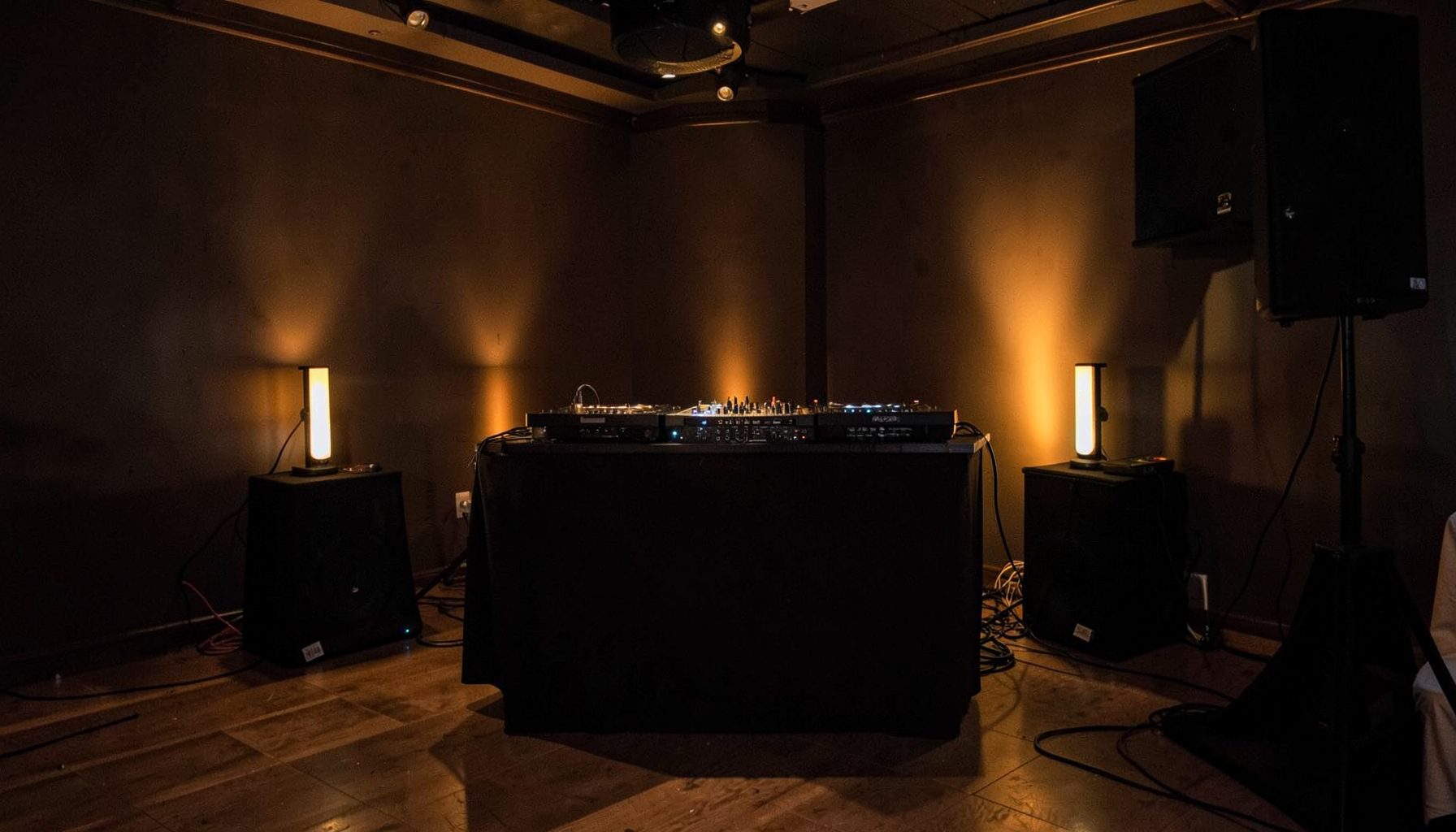
Insurance for Mobile Entertainers
N.A.M.E. partners with Brown & Brown Insurance to offer comprehensive liability and equipment coverage designed specifically for DJs, bands, photographers, and other mobile entertainers. Coverage up to $5,000,000 is available.
Learn about insurance →News & Updates
Stay informed with the latest announcements from the National Association of Mobile Entertainers, including trade show coverage, webinar updates, and member spotlights.
N.A.M.E. publishes a monthly e-newsletter via Constant Contact featuring discounts, member benefits, and upcoming industry expos.
Sign up for the newsletter →Find an Entertainer
Search the N.A.M.E. directory of DJs and mobile entertainers who have invested in their business and uphold the quality standards of the association. Members include DJs, hypnotists, photographers, bands, event planners, booking agents, theatrical groups, and comedians.
Browse the directory →Subcontractors, Liability, And Your Entertainment Coverage
Hiring another professional can help you deliver a larger event, cover several rooms, or accept work outside your usual specialty. A DJ may bring in a lighting technician, a band may contract a sound engineer, or an event company may engage a photographer for a busy date. The arrangement can be practical, but it also changes how responsibility and insurance operate.
Your existing policy generally protects the business and activities described in the policy documents. It does not automatically make every person you hire an insured party, and it may not respond to every claim involving a subcontractor. The outcome depends on the contractor’s legal status, the work performed, the contracts in place, and the specific wording of each policy.
Understanding those details before load-in helps prevent a coverage gap from appearing after an accident, damaged equipment, or canceled performance. A written agreement, current insurance documentation, and a clear division of duties are central parts of a sound risk management process.
Why A Subcontractor Changes The Risk
A subcontractor is usually an independent business hired to perform a defined service rather than an employee working under your normal payroll and supervision. That distinction matters because an independent contractor is commonly expected to carry their own general liability insurance, commercial auto coverage, workers’ compensation, or equipment protection when those policies apply to the assignment.
Even when the subcontractor has insurance, your company may still be named in a claim. A venue, client, or guest may view you as the primary entertainment provider because you signed the contract and collected the fee. If a contractor damages a venue wall, injures a guest, or causes a delay, the claimant may name several parties in the same lawsuit.
Your policy may provide defense or liability protection for allegations against your business, subject to its terms, exclusions, limits, and deductible. It may then seek contribution from another responsible party. That process does not guarantee that every loss will be paid, so the subcontractor’s own coverage and contract obligations remain important.
Review Your Policy Before Hiring
Start by checking the declarations page, definitions, exclusions, endorsements, and conditions of your business insurance. Look for language concerning employees, temporary workers, leased workers, independent contractors, borrowed equipment, automobiles, care or custody of property, and contractual liability. A policy designed for mobile entertainment may address common event exposures, but the details differ among insurers.
Ask your insurance professional whether hiring a subcontractor changes the classification or description of your business. A technician operating a lighting rig may create a different exposure from a photographer carrying a camera, while a caterer, security provider, or pyrotechnics specialist may require entirely separate insurance arrangements. The more specialized or hazardous the work, the less appropriate it is to rely on assumptions.
Also determine whether your policy covers claims arising from the subcontractor’s work when your business is sued. Some policies may extend protection under particular circumstances, while others may exclude work performed by independent contractors or apply restrictions to certain operations. Written guidance from the insurer is more dependable than a verbal understanding based on a similar event in the past.
Require Proof Of Separate Insurance
Before the subcontractor begins work, request a certificate of insurance showing active coverage, policy dates, limits, and the relevant types of insurance. A certificate is evidence that a policy was reported as issued; it is not the policy itself and does not change coverage. Review it for consistency with the services being provided and the date and location of the event.
For many assignments, you may also ask to be listed as an additional insured on the subcontractor’s commercial general liability policy. This request should be supported by an appropriate additional insured endorsement, not just a notation on a certificate. The endorsement’s scope can vary: some apply only to liability caused in whole or in part by the subcontractor, while others may be narrower.
The client or venue may have its own insurance requirements, such as primary and noncontributory wording, a waiver of subrogation, or specified liability limits. These provisions can affect how policies respond when multiple parties are involved. Have your broker or attorney review the insurance requirements and the service agreement before you promise terms you cannot provide.
| Protection or document | What it may address | Important limitation |
|---|---|---|
| Subcontractor’s general liability policy | Bodily injury, property damage, and certain personal injury claims arising from the subcontractor’s work | Limits, exclusions, and completed-operations terms vary |
| Additional insured endorsement | Extends selected liability protection to your business under the subcontractor’s policy | A certificate alone does not create additional insured status |
| Workers’ compensation policy | Job-related injuries to the subcontractor’s employees where legally required | Rules differ by state and may not cover the owner of a contractor business |
| Commercial auto policy | Accidents involving vehicles used for transportation or event work | Personal auto insurance may exclude business use |
| Inland marine or equipment coverage | Loss or damage to mobile sound, lighting, camera, or production equipment | The owner, location, and valuation of equipment must be clear |
| Written subcontractor agreement | Scope of work, indemnity, payment, safety, and responsibility for damage | Contract language cannot override every insurance exclusion |
Put The Business Terms In Writing
A subcontractor agreement should identify the parties, event date, venue, services, payment, arrival and departure times, cancellation terms, and equipment responsibilities. It should also state who supervises the work, who obtains permits, who communicates with the client, and who handles a replacement if the subcontractor becomes unavailable.
Include an indemnification provision drafted for the actual relationship. It may require the subcontractor to defend or reimburse your business for claims arising from the subcontractor’s negligence, misconduct, or breach of contract. Indemnity language is a financial promise between parties; it does not replace insurance, and it may be limited by state law or by the contractor’s ability to pay.
Address ownership and damage involving speakers, consoles, cameras, wireless microphones, vehicles, cables, and other property. If you lend equipment, determine who is responsible for theft, misuse, loss during transit, and repair costs. A signed inventory with photographs can make the condition and value of property easier to establish.
Do not assume that calling someone an independent contractor settles the matter. Worker classification can depend on control, independence, payment practices, tools, and state or federal rules. Misclassification may create tax, wage, workers’ compensation, and liability problems that a standard business policy does not solve.
Handle Accidents And Claims Promptly
If a guest is injured, preserve the scene, obtain medical assistance, document what happened, and avoid admitting fault or promising payment. Collect contact information for witnesses and the subcontractor, take photographs when appropriate, and notify the venue and relevant insurers promptly. Practical steps for this situation are outlined in guest injury guidance.
The subcontractor should report the incident to their own carrier as well. Your business should report circumstances that could reasonably lead to a claim, even if no lawsuit has been filed. Delayed notice, incomplete records, or informal settlements can complicate the investigation and may affect the insurer’s response.
Keep copies of the agreement, certificate, endorsements, invoices, messages, event timeline, equipment list, and incident report. If the event involves a vehicle accident, employee injury, serious property damage, or a demand for money, direct communications through the appropriate insurance and legal channels rather than attempting to determine fault on site.
Coverage for lost income is a separate concern. A cancellation caused by a storm, venue closure, or other event may not be treated like physical damage or a liability claim. Reviewing weather cancellation coverage can help distinguish cancellation protection from the liability coverage involved in subcontractor-related accidents.
Build A Consistent Hiring Process
A repeatable screening process is easier to manage than checking documents only when a large event is approaching. Maintain a contractor file with the signed agreement, tax information, license details where applicable, insurance records, emergency contact information, and confirmation that the coverage remains active for the event date.
Use these steps whenever a subcontractor joins an assignment:
- Define the service, equipment, venue access, and supervision responsibilities in writing.
- Request a current certificate and, when appropriate, additional insured documentation before work begins.
- Verify that policy limits and coverage types match the client, venue, and nature of the assignment.
- Confirm who is responsible for employees, vehicles, tools, permits, and damage to rented or borrowed property.
- Report incidents and potential claims promptly to your insurer and the subcontractor’s carrier.
Review the process after each significant event. If a contractor repeatedly arrives without required documents, changes the scope of work, or uses unapproved equipment, pause the arrangement until the responsibilities are clarified. A lower subcontractor fee is rarely a good trade for an uninsured exposure that can reach your business.
Professional associations can also support better preparation through education, insurance resources, and business guidance. N.A.M.E. serves mobile entertainers nationwide and offers member resources that can help professionals organize coverage questions, contracts, and operating practices around real event work.
Your coverage does not automatically transfer to every subcontractor you hire, and the subcontractor’s policy does not automatically protect your business. Treat each engagement as a documented business relationship: verify insurance, use a clear agreement, communicate responsibilities, and involve your insurance professional before the event rather than after a claim occurs.
For ongoing updates about insurance considerations, business practices, and the mobile entertainment field, subscribe to the N.A.M.E. newsletter and make contractor review part of every event preparation checklist.
Get in Touch
Contact N.A.M.E. for membership inquiries, insurance questions, or general information.