

N.A.M.E. National Office
Professional Association for Mobile Entertainers
Email: office@nameentertainers.net
Mail: P.O. Box 144, Willow Grove, PA 19090
for Mobile Entertainers Get Insurance Info
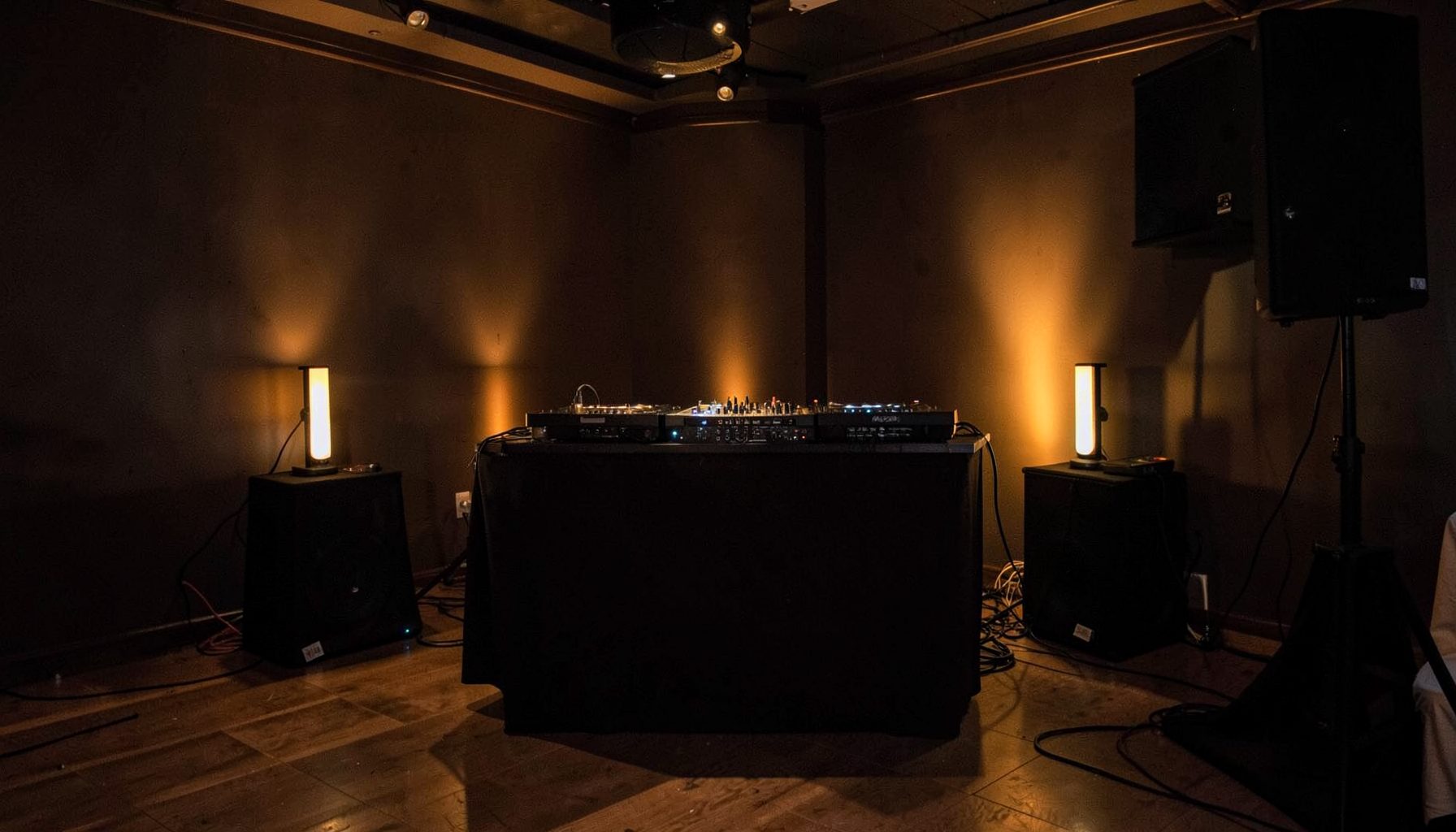
Insurance for Mobile Entertainers
N.A.M.E. partners with Brown & Brown Insurance to offer comprehensive liability and equipment coverage designed specifically for DJs, bands, photographers, and other mobile entertainers. Coverage up to $5,000,000 is available.
Learn about insurance →News & Updates
Stay informed with the latest announcements from the National Association of Mobile Entertainers, including trade show coverage, webinar updates, and member spotlights.
N.A.M.E. publishes a monthly e-newsletter via Constant Contact featuring discounts, member benefits, and upcoming industry expos.
Sign up for the newsletter →Find an Entertainer
Search the N.A.M.E. directory of DJs and mobile entertainers who have invested in their business and uphold the quality standards of the association. Members include DJs, hypnotists, photographers, bands, event planners, booking agents, theatrical groups, and comedians.
Browse the directory →What Happens When a Guest Drops a Photographer’s Camera
A camera can leave a photographer’s hands in an instant. A guest may stumble near the equipment table, reach across a crowded dance floor, or pick up a camera while trying to help. The result can range from a scratched lens to a damaged camera body, ruined memory cards, or a complete loss of essential equipment.
The financial consequences may continue beyond the repair bill. A photographer could lose an upcoming booking if the damaged camera is unavailable, face rush charges for replacement gear, or need to explain delayed image delivery to a client. Clear procedures and appropriate coverage help turn a chaotic moment into a manageable business incident.
Mobile entertainers and event professionals work in changing venues with unfamiliar guests, shifting floor plans, and valuable equipment placed in active spaces. Understanding what to do immediately, how responsibility is assessed, and where insurance may apply can protect both the photographer and the working relationship with the event client.
The First Minutes After The Accident
The photographer should secure the scene before checking the camera. Ask guests to step away, prevent further contact with loose equipment, and move the damaged item only if leaving it in place creates a safety risk. A quick visual inspection can reveal obvious problems, but repeatedly turning the camera on and off may worsen internal damage.
Document the condition as soon as possible. Take photographs of the camera, lens, broken accessories, the surrounding area, and any obstruction or spill that contributed to the fall. Record the time, venue, event name, and names of people who witnessed the incident. If the guest acknowledges what happened, write down the statement accurately rather than relying on memory later.
The photographer should notify the event organizer or venue contact before the event ends. A calm report establishes that the damage occurred during the booking and creates an opportunity to preserve security footage. Avoid making accusations or promising that the guest will personally pay. Responsibility can depend on the guest’s conduct, venue conditions, contracts, and applicable insurance policies.
Assessing The Damage Properly
Visible damage is often only the beginning. A camera may show a cracked screen while the sensor, shutter, autofocus system, image stabilization, or internal mounts have also been affected. A lens can appear intact but produce soft images because of a displaced optical element. Memory cards may be physically damaged or corrupted when the camera hits the floor.
Remove the battery and memory card if doing so is safe, then keep the equipment in its current condition for an authorized repair technician or insurer’s inspection. Do not attempt a home repair, clean broken glass, or discard damaged parts. Preserve receipts, serial numbers, purchase records, maintenance documentation, and photographs showing the equipment before the incident if available.
The repair center should provide a written diagnostic report and estimate. If the item is beyond economical repair, request a statement explaining that determination and the replacement value of comparable equipment. The photographer may also need to document rental costs, rush shipping, substitute equipment, and lost income tied directly to the accident.
Who May Be Responsible For The Loss
A guest who deliberately grabbed the camera or acted carelessly may be personally responsible under general property damage principles. However, proving negligence is different from proving that a guest was nearby when the camera fell. Witness statements, video recordings, venue reports, and the photographer’s own account can help establish how the incident occurred.
The venue or event host may share responsibility if unsafe conditions contributed to the accident. Examples include an unsecured cable, inadequate lighting, a slippery floor, an overcrowded service area, or a poorly placed equipment station. The photographer’s own setup may also be reviewed if gear was left in a walkway without barriers or warnings.
Contracts cannot eliminate every dispute, but they can define expectations. A photography agreement should address equipment access, guest interference, venue cooperation, incident reporting, and client responsibility for conditions under the client’s control. It should also explain what happens if essential gear becomes unusable during the assignment.
| Situation | Useful Evidence | Possible Financial Response |
|---|---|---|
| Guest knocks over a camera while moving through the venue | Witness accounts, event video, incident report | Guest’s liability coverage or personal payment |
| Equipment falls because of a venue hazard | Photos of the hazard, venue report, maintenance records | Venue liability insurance or negotiated settlement |
| Camera is damaged during ordinary work without an identifiable third party | Inspection report, purchase records, policy documents | Photographer’s equipment or inland marine coverage |
| Client’s staff mishandles stored gear | Staff statements, contract terms, custody records | Client or business liability coverage |
| Damage interrupts a paid assignment | Booking agreement, replacement rental invoices, client correspondence | Covered business interruption or related claim, if included |
How Insurance May Respond
A photographer’s business equipment policy may cover accidental physical damage to cameras, lenses, flashes, computers, and related gear. Coverage depends on the policy wording, deductible, exclusions, valuation method, and whether the equipment was insured for its current replacement cost. A home or renters policy may offer limited protection, but business use, professional equipment values, and off-premises work can create significant gaps.
Some policies cover equipment while it is transported, stored, or used at an event. Others may restrict coverage for unattended property, water damage, wear and tear, or equipment rented to another person. Photographers should verify whether borrowed and rented gear is included and whether coverage applies nationwide, since mobile assignments often take place outside a studio or residence.
Liability coverage addresses a different exposure. If the photographer’s equipment injures a guest or damages venue property, a general liability policy may respond to a covered claim. It usually does not replace the photographer’s own damaged camera. Reviewing equipment insurance options with an insurance professional can clarify the distinction between property coverage and liability protection.
A claim should be reported promptly, even if the photographer is still deciding whether the repair cost justifies filing. Insurers may require photographs, estimates, proof of ownership, a police or venue report, and information about other potentially responsible parties. The photographer should avoid admitting fault, agreeing to a settlement, or authorizing expensive repairs before receiving guidance when a claim is likely.
Protecting Client Service After The Incident
The photographer’s priority is to preserve the event’s coverage. If a second camera is available, switch bodies while protecting the memory card and checking that files are being recorded correctly. A nearby colleague, assistant, or trusted local photographer may be able to provide backup equipment. Rental companies can sometimes deliver a replacement quickly, although rush charges should be documented.
The client should receive a factual update without unnecessary speculation. Explain what occurred, what steps have been taken, and whether the photography schedule is changing. Avoid blaming a guest in front of the client or other attendees. A professional response can reassure the client while leaving questions of financial responsibility to the appropriate parties.
After the event, back up all surviving files immediately in at least two locations. Separate the damaged camera from usable storage media, and keep a written timeline of communications, rentals, repairs, and missed coverage. If images were lost, the agreement’s delivery terms and backup provisions will help determine the appropriate remedy.
Industry education can also reveal patterns that individual photographers may miss. For example, a recent discussion of underinsured sound systems illustrates why a personal home policy may not reflect the value or working conditions of professional event equipment. The same review habit applies to cameras, drones, computers, lighting, and other mobile production tools.
Reducing The Risk At Future Events
Equipment placement is a practical form of loss prevention. Keep camera bags and spare bodies outside main traffic lanes, use marked cases, secure straps when working near active guests, and avoid placing gear on unstable chairs or narrow tables. At crowded receptions, an assistant can watch stored equipment while the photographer works.
A brief pre-event conversation with the planner or venue coordinator can identify high-traffic areas, children’s activity zones, beverage stations, and locations where guests are likely to gather. If the floor plan changes during the event, relocate equipment rather than accepting a newly created hazard. Small barriers, signage, or a designated equipment area may prevent an expensive accident.
Photographers should also maintain an inventory with serial numbers, purchase dates, replacement values, and current photographs. Keep copies in secure cloud storage so the information remains available if the equipment itself is lost. Regular reviews are important because a growing kit, upgraded lens, or newly purchased computer may exceed the policy limit.
Practical Steps For A Stronger Response
A written procedure helps the photographer act consistently when emotions are high. The following measures can reduce confusion and preserve evidence:
- Photograph the damaged equipment and the surrounding conditions before moving anything unnecessarily.
- Collect names and contact details for witnesses, the venue representative, and the person involved.
- Notify the client and insurer promptly, using factual language without assigning blame.
- Obtain a written repair estimate or replacement assessment from a qualified technician.
- Keep contracts, receipts, rental invoices, file backups, and all incident communications together.
The procedure should be reviewed with assistants and second shooters before the busy season. Everyone working under the photographer’s brand needs to know who contacts the client, who protects memory cards, who records witness information, and who arranges backup equipment. A coordinated response looks more professional than several people giving conflicting accounts.
Professional associations can support this preparation with educational resources, business guidance, certifications, and access to peers who understand mobile event work. Photographers and other entertainers can subscribe to industry updates to stay informed about risk management, business practices, and relevant member resources.
A dropped camera is disruptive, but it does not have to define the event or the photographer’s reputation. Immediate documentation, careful communication, a proper technical assessment, and coverage suited to professional equipment create a clear path forward. Taking these steps before an accident occurs gives photographers more control when a guest, venue condition, or unexpected collision puts valuable gear at risk.
Get in Touch
Contact N.A.M.E. for membership inquiries, insurance questions, or general information.