
N.A.M.E. National Office
Professional Association for Mobile Entertainers
Email: office@nameentertainers.net
Mail: P.O. Box 144, Willow Grove, PA 19090
for Mobile Entertainers Get Insurance Info
Insurance for Mobile Entertainers
N.A.M.E. partners with Brown & Brown Insurance to offer comprehensive liability and equipment coverage designed specifically for DJs, bands, photographers, and other mobile entertainers. Coverage up to $5,000,000 is available.
Learn about insurance →News & Updates
Stay informed with the latest announcements from the National Association of Mobile Entertainers, including trade show coverage, webinar updates, and member spotlights.
N.A.M.E. publishes a monthly e-newsletter via Constant Contact featuring discounts, member benefits, and upcoming industry expos.
Sign up for the newsletter →Find an Entertainer
Search the N.A.M.E. directory of DJs and mobile entertainers who have invested in their business and uphold the quality standards of the association. Members include DJs, hypnotists, photographers, bands, event planners, booking agents, theatrical groups, and comedians.
Browse the directory →When a guest reacts to fog fluid at your Australian event
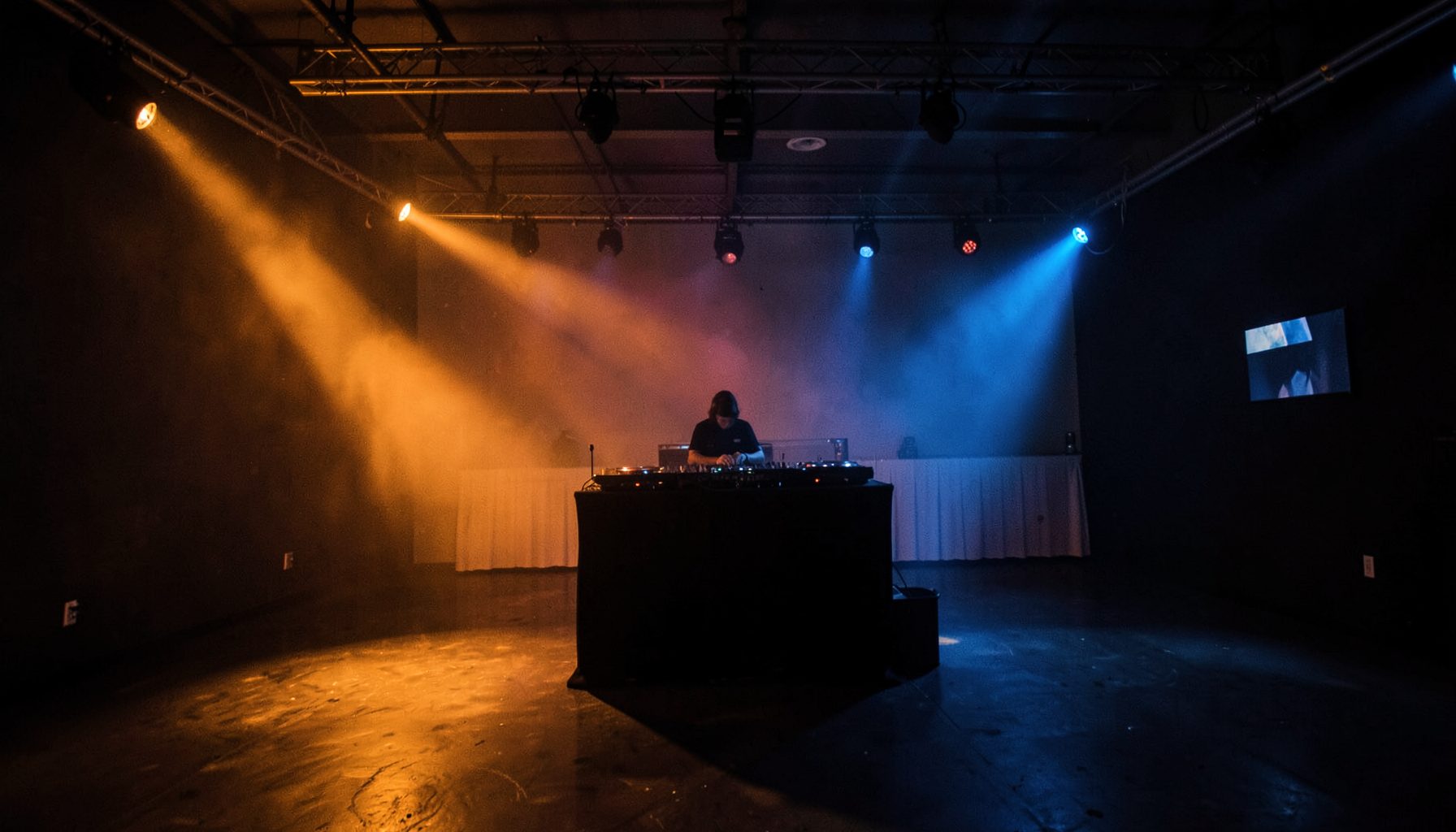
Fog, haze and low-lying mist can transform a dance floor, wedding reception or corporate launch. They can also create a serious liability issue if a guest develops breathing difficulty, skin irritation, eye discomfort or another allergic reaction after the effect is used. The first priority is the person’s health, followed by a calm, well-documented response.
For a mobile entertainer in Australia, the correct response involves more than apologising and packing away the machine. You need to manage the incident at the venue, preserve information about the fluid and equipment, notify the right people, and check whether your public liability policy responds. A professional process protects the guest, your business and your relationship with the venue.
Act quickly and treat it as a medical incident
Stop the fog or haze immediately and ask the venue manager to help create clear space around the affected guest. Do not restart the machine, dilute the fluid or try to diagnose the condition yourself. If the person is struggling to breathe, swelling, faint, confused or rapidly deteriorating, call Triple Zero (000) and request an ambulance. In Australia, an apparent minor reaction can develop quickly, especially where asthma or a known allergy is involved.
Follow reasonable instructions from the guest or their carer, such as helping them move into fresh air, while avoiding unnecessary physical contact. If they carry an adrenaline autoinjector and ask for assistance, emergency operators or trained venue staff can guide the response. The Poisons Information Centre can be reached on 13 11 26 for advice about chemical exposure, but an ambulance is the appropriate response to severe symptoms.
Keep the fluid container, machine and operating area undisturbed after the immediate danger has passed. Record the time the effect was running, when symptoms were reported, where the guest was standing and who was present. Ask the venue to preserve relevant CCTV footage. Do not write that the fog “caused” an allergy unless that has been medically established; describe what was observed and what happened in sequence.
Communicate without admitting liability
Speak calmly and respectfully. You can say that you are sorry the guest is unwell and that you have stopped the effect while arranging assistance. That is different from saying that you used an unsafe product, breached a duty or accept responsibility for the injury. Do not argue about whether the reaction was genuine, ask intrusive medical questions or suggest the guest simply leave the venue.
Nominate one person to communicate with the guest or their family and another to deal with the venue. If several entertainers, suppliers or venue employees start offering explanations, important details can become inconsistent. Give the guest your business contact information and explain that the incident will be reported to your insurer or broker. Avoid promising to pay medical costs privately before you have received advice.
Notify the event organiser and venue manager as soon as practical. A function at an RSL in Newcastle, a wedding in the Yarra Valley or a club booking in Brisbane may involve several contracting parties, each with different incident-reporting procedures. Ask the venue whether it has its own form, but read what you sign carefully and keep a copy. A factual report is useful; a statement assigning blame is not.
Gather the evidence your insurer will need
Take photographs of the fog machine, fluid bottle, labels, batch or lot information, hose and the area where the effect was used, provided doing so does not intrude on the guest’s privacy. Keep the original purchase receipt, product instructions, safety data sheet, supplier details and any dilution or operating instructions. If the fluid was supplied by the venue, identify who supplied it and when it was opened.
Write a chronology while memories are fresh. Include the event date, venue, room ventilation, duration of use, machine settings, amount of fluid used, weather if the event was outdoors, and whether other guests reported symptoms. Record names and contact details for witnesses, staff and contractors. Do not edit text messages or delete social media posts about the event, even if they are embarrassing.
If the machine or liquid might be relevant, do not clean, discard or send it back to the supplier without insurer instructions. Keep any remaining fluid secure and labelled. The manufacturer or supplier may need to examine it, and an insurer may appoint an investigator. Your documentation should show both what happened and the precautions you normally take, including venue approval and warnings.
Check the policy before making commitments
A guest’s claim may involve public liability insurance, product liability, or both. Public liability generally relates to injury or property damage connected with your business activities, while product liability can become relevant where an allegedly defective or unsuitable fog fluid is involved. The precise response depends on the policy wording, exclusions, endorsements, insured business description and the facts of the incident.
Notify the insurer or broker promptly, even if the guest has not made a formal demand. Give them the factual chronology, contact details, photographs and product information, then follow their instructions. Refer any letter of demand, solicitor’s correspondence or request for compensation straight to the insurer. Do not negotiate a settlement or make an admission simply to make the matter disappear.
Venue type and booking circumstances can matter. Some policies treat pubs, nightclubs, festivals or licensed premises differently from private weddings and corporate functions. Before accepting regular work at Sydney clubs, Melbourne bars or a local Queensland pub, check the restrictions rather than assuming every entertainment booking is covered. This discussion about bar and club cover illustrates why the location and nature of the engagement should be described accurately.
Protect privacy while recording the incident
An allergic reaction can involve sensitive health information. Collect only what is necessary for emergency care, the venue report and the insurance claim. Keep medical details, phone numbers and witness statements in a secure business system rather than a public group chat or shared social media folder. Do not post photographs of the guest, comments about their condition or speculation about the cause.
If the venue asks for a copy of your incident report, provide relevant business and safety information while taking care with personal data. A request from a guest for every internal note may need to be handled differently from a request by an insurer or solicitor. Review the organisation’s privacy policy when using an association directory, member service or online resource, and apply the same careful approach to your own client records.
Tell witnesses to keep their accounts factual and private. “I saw the guest coughing near the dance floor” is useful; “the entertainer poisoned them” is speculation. Keep records for the period required by your policy, business obligations and professional advice. If a dispute develops, an orderly file is far more helpful than scattered messages and recollections.
Prevent another exposure at future bookings
Before using a fogger, inspect the product label and safety data sheet for ingredients, ventilation requirements, recommended machine compatibility and warnings. Use only the fluid specified for the equipment, follow the dilution instructions and keep the container available at the event. A product marketed as “water-based” is not automatically harmless to every person, and theatrical haze may still irritate airways or trigger concern.
Ask the venue in advance about smoke detectors, fire alarms, ventilation, sprinkler systems, accessibility and guests who may be sensitive to airborne effects. Get approval in writing. At a school formal, aged-care function or community hall, the venue may prohibit fog entirely. At an outdoor event on the Gold Coast or a summer wedding near Perth, wind can carry the effect unpredictably, while an enclosed room in Adelaide may retain it longer than expected.
Build a simple control into your booking process: describe the effect on the event plan, provide a warning where appropriate, test the machine before guests arrive, and keep a clear shut-off procedure. Train assistants not to improvise with fluid or settings. If you work part-time alongside another job, explain that accurately when arranging cover; insurers need to understand the real scope and frequency of your entertainment work. Guidance on part-time disclosure can help frame that conversation.
A written risk assessment does not guarantee that a claim will be accepted, but it demonstrates responsible practice. It can also help you decide when the visual benefit of fog is not worth the exposure, particularly where children, people with respiratory conditions or large crowds are involved.
| Situation | Immediate priority | Evidence to preserve | Insurance focus |
|---|---|---|---|
| Mild irritation that settles after the fog stops | Move the guest to fresh air and monitor the situation | Time, symptoms observed, witnesses and product details | Notify the insurer promptly |
| Breathing difficulty, swelling or collapse | Call 000 and follow emergency instructions | Ambulance details, CCTV, machine and fluid | Potential public liability claim |
| Guest alleges the fluid was defective | Stop use and secure the product | Bottle, batch number, receipt and safety data sheet | Product liability and supplier involvement |
| Venue says the effect breached its rules | Cooperate with the venue’s incident process | Written approval, booking terms and staff statements | Policy conditions and contractual issues |
| Claim arrives after the event | Avoid admissions and forward it to the insurer | Emails, messages, report and photographs | Defence, excess and notification requirements |
If a guest experiences a reaction, respond with care first and paperwork second, then complete both properly. Review your insurance wording before the next booking, confirm that your declared activities match the work you actually accept, and keep product and venue records together. N.A.M.E. members can use professional education, business resources and insurance-related support to make this part of their event process more consistent. Take action before the next arvo setup: inspect the fluid, brief the venue and put your incident procedure in writing.
Get in Touch
Contact N.A.M.E. for membership inquiries, insurance questions, or general information.