

N.A.M.E. National Office
Professional Association for Mobile Entertainers
Email: office@nameentertainers.net
Mail: P.O. Box 144, Willow Grove, PA 19090
for Mobile Entertainers Get Insurance Info
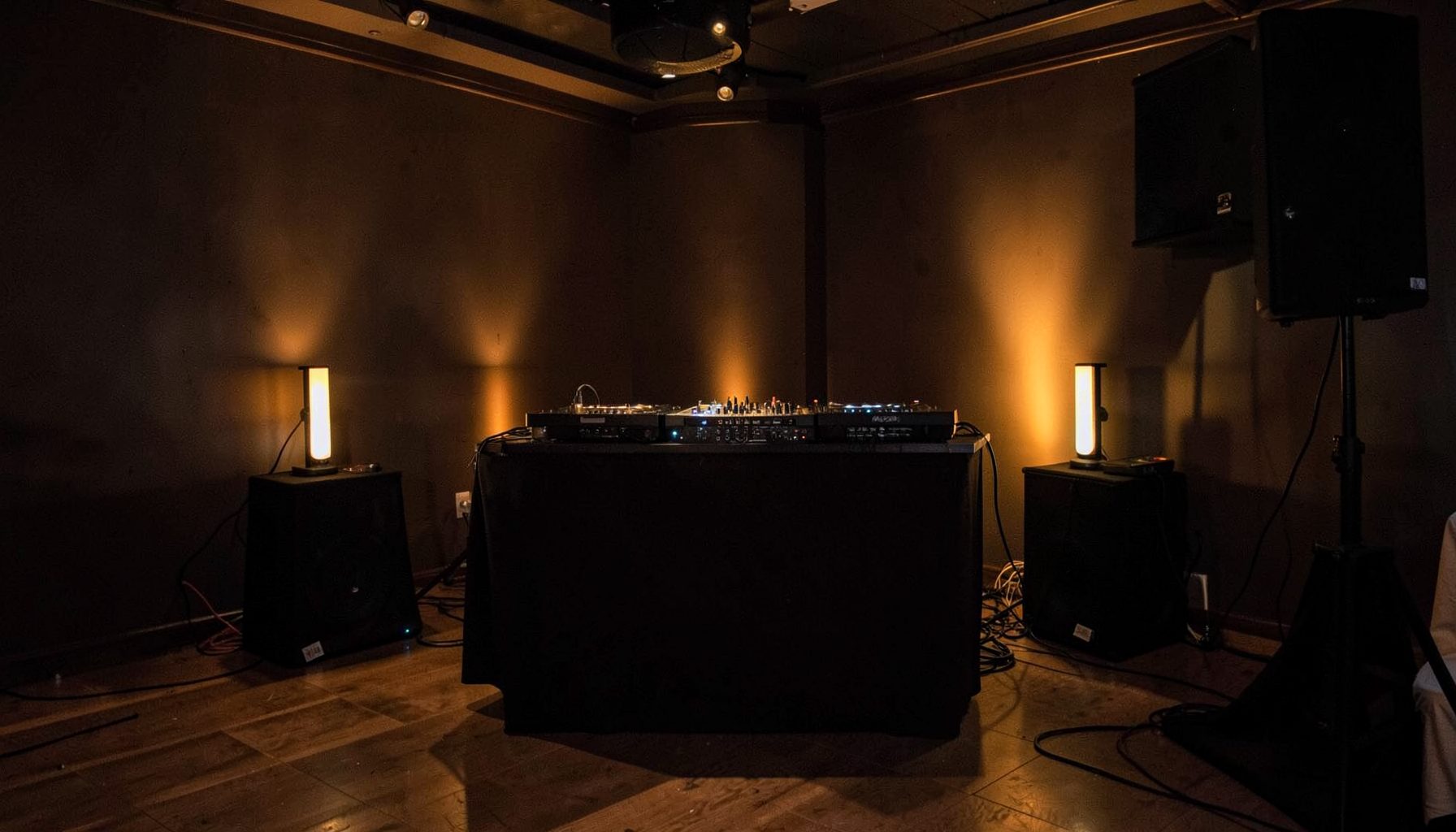
Insurance for Mobile Entertainers
N.A.M.E. partners with Brown & Brown Insurance to offer comprehensive liability and equipment coverage designed specifically for DJs, bands, photographers, and other mobile entertainers. Coverage up to $5,000,000 is available.
Learn about insurance →News & Updates
Stay informed with the latest announcements from the National Association of Mobile Entertainers, including trade show coverage, webinar updates, and member spotlights.
N.A.M.E. publishes a monthly e-newsletter via Constant Contact featuring discounts, member benefits, and upcoming industry expos.
Sign up for the newsletter →Find an Entertainer
Search the N.A.M.E. directory of DJs and mobile entertainers who have invested in their business and uphold the quality standards of the association. Members include DJs, hypnotists, photographers, bands, event planners, booking agents, theatrical groups, and comedians.
Browse the directory →When an Australian Client Sues Over a Breach of Contract
If a client sues you for breach of contract, your next few days can shape the cost, insurance response and reputation of the business. The priority is to understand the allegation, meet the procedural deadline and respond through a measured process. Panic, silence and impulsive admissions can each create avoidable problems.
Entertainment contracts often combine performer availability, equipment, transport, venue access and payment terms. A dispute may involve several of those elements, making the original wording and timeline especially important. This guide explains the usual Australian response; it is general information rather than legal advice, and a solicitor should assess the agreement, alleged loss and applicable state or territory law.
Acknowledge the Claim Without Admitting Fault
Read the claim, court documents and correspondence carefully. Note the date received, filing number, hearing date and deadline for any response. Follow the method specified for formal service. A short acknowledgement that confirms receipt and says the matter is being reviewed is usually better than silence, but it should not acknowledge liability or promise a particular outcome.
Preserve the complete record in its original form. This includes signed contracts, quotations, proposals, invoices, receipts and payment records, together with emails, text messages, WhatsApp conversations and relevant social-media posts. Keep calendar entries, route sheets, loading instructions, equipment lists and proof that you attended or attempted to perform. Avoid relying on screenshots alone when original files or devices remain available.
Create a dated chronology showing what was promised, accepted, paid, changed and performed. Identify witnesses who directly observed relevant events and retain their original messages. Do not delete material, edit posts or ask colleagues to contact the claimant in a way that could be read as harassment or pressure. Any discussion with a witness should remain factual and consistent with the evidence.
Read the Contract Through Australian Law
A booking agreement may not be the only relevant document. Website terms, emailed quotations, venue rules and payment invoices can be incorporated into the arrangement. A quotation accepted by email can form a contract even without a traditional signature. Review provisions concerning deposits, cancellation, substitutions, travel, curfews, force majeure, equipment failure, indemnity and the consequences of late performance.
Local market details often become decisive. Sydney wedding bookings may involve staged deposits and strict cancellation dates. Melbourne venues may impose late-load or curfew requirements, while Brisbane event sites can restrict vehicle access or parking. Many Australian venues also request evidence of public liability cover before granting access. The wording that connected these requirements to the booking should be located and assessed.
The Australian Consumer Law may apply depending on the parties and transaction. If the client is a consumer, consumer guarantees and restrictions on unfair contract terms can affect cancellation charges or exclusions. Terms cannot simply be labelled fair, and they cannot contract out of protections that the law preserves. A commercial client may have different rights, so the parties’ status and the exact wording must be examined rather than assumed.
Deadlines vary between states and territories, and limitation periods may be affected by the contract’s date, breach type and payment structure. Do not wait for an insurer or association to identify the deadline. Obtain specific advice about whether the matter belongs in a court, tribunal or small claims list, and whether any counterclaim should be considered.
Notify Insurance and Secure Representation
Notify every potentially relevant insurer promptly, even when coverage is uncertain. Follow the policy’s notification requirements and ask whether you may choose a lawyer or must use an approved panel. Legal-defence costs, public liability cover and compensation for loss are separate issues, and paying a claim or admitting liability without advice can affect coverage.
A solicitor experienced in contract disputes, small business or consumer law can identify the legal elements, estimate costs and manage negotiations. State and territory legal aid commissions may assist people who meet their income, merit and case-type rules, although eligibility and conflicts checks still apply. N.A.M.E.’s staff advisory board can help members clarify which internal contacts, documents and professional channels may support that process, without replacing legal representation.
A separate policy question arises if the dispute concerns a stolen or damaged trailer, sound system, lighting rig or other equipment. This report on mobile DJ trailer insurance explains how physical-damage cover may respond, while legal-defence cover handles a different category of expense. Compare the incident, insured property and policy conditions before assuming one policy settles every part of the loss.
Build an Evidence-Based Defence
Organise the material before meeting a lawyer or mediator. Keep relevant documents together, remove duplicates from working bundles and retain originals. A concise chronology will make the facts easier to assess than scattered messages or recollections.
Records to preserve include:
- The signed agreement, accepted quotation, variations and incorporated terms.
- Emails, messages, calendars, invoices and payment confirmations.
- Photographs, video, loading records, equipment lists and witness details.
- Police reports, venue correspondence, repair records and insurer communications.
Responses to postpone include:
- Do not admit liability, agree to refund money or promise replacement performance.
- Do not delete records, change devices or remove posts after receiving a claim.
- Do not publish arguments, accusations or private correspondence on social media.
- Do not sign a settlement or release without understanding costs and insurance consent.
A claimant will generally need to establish an enforceable agreement, a breached obligation and compensable loss. An adviser can examine causation, remoteness, mitigation and whether the claimed amount is supported by evidence. You can also consider a legitimate replacement performance, correction, account adjustment or negotiated resolution, depending on the contract and the advice received. Running a claim alongside work can also affect concentration and health; persistent sleep problems, anxiety or other symptoms deserve attention from a GP or employee-assistance provider. General health information for men may provide background, but it cannot diagnose a condition or provide legal advice.
Weigh Resolution Against Formal Proceedings
Negotiation, mediation and litigation have different costs and consequences. An insurer may prefer to appoint a panel lawyer, while legal advice may be essential where the contract is complex or the alleged loss is substantial. A mediator can help narrow factual and monetary issues, but any resulting agreement may still bind the parties and should be checked by a legal professional.
| Response path | When it may suit | Main trade-off | Immediate action |
|---|---|---|---|
| Insurer-controlled defence | The policy covers the incident and defence costs | Panel restrictions, excess or limited control | Notify the insurer and obtain written approval |
| Solicitor-led advice | The contract, loss or legal issue is complex | Fees, conflict checks and possible costs exposure | Request a merits and budget assessment |
| Negotiation or mediation | The facts and settlement range remain workable | Disclosure and authority may be required | Prepare a chronology and authorised range |
| Court or tribunal | The dispute remains unresolved and jurisdiction fits | Formal evidence, time, stress and possible costs order | Calendar every filing and response deadline |
Early resolution can limit management time, legal fees and reputational damage, but an offer should not be accepted merely because it feels urgent. Conversely, prolonged negotiation without a legal assessment may expose the business to an unfavourable costs order or an unreviewed admission. Compare the proposed amount with the actual contract, evidence of loss and likely defence costs before authorising any settlement.
Take Control of the Next 48 Hours
Calendar the response date, acknowledge receipt, secure the evidence and notify the insurer. Ask N.A.M.E. members to contact the association for guidance on available member support, including business consulting and educational resources. Where the amount, facts or legal consequences are material, arrange a consultation with a qualified solicitor or an eligible legal aid service before responding substantively.
A controlled response protects both the claim and the business. Contact N.A.M.E. for available guidance, open the insurance notification process, and obtain legal advice before making admissions, publishing statements or signing a settlement.
Get in Touch
Contact N.A.M.E. for membership inquiries, insurance questions, or general information.