

N.A.M.E. National Office
Professional Association for Mobile Entertainers
Email: office@nameentertainers.net
Mail: P.O. Box 144, Willow Grove, PA 19090
for Mobile Entertainers Get Insurance Info
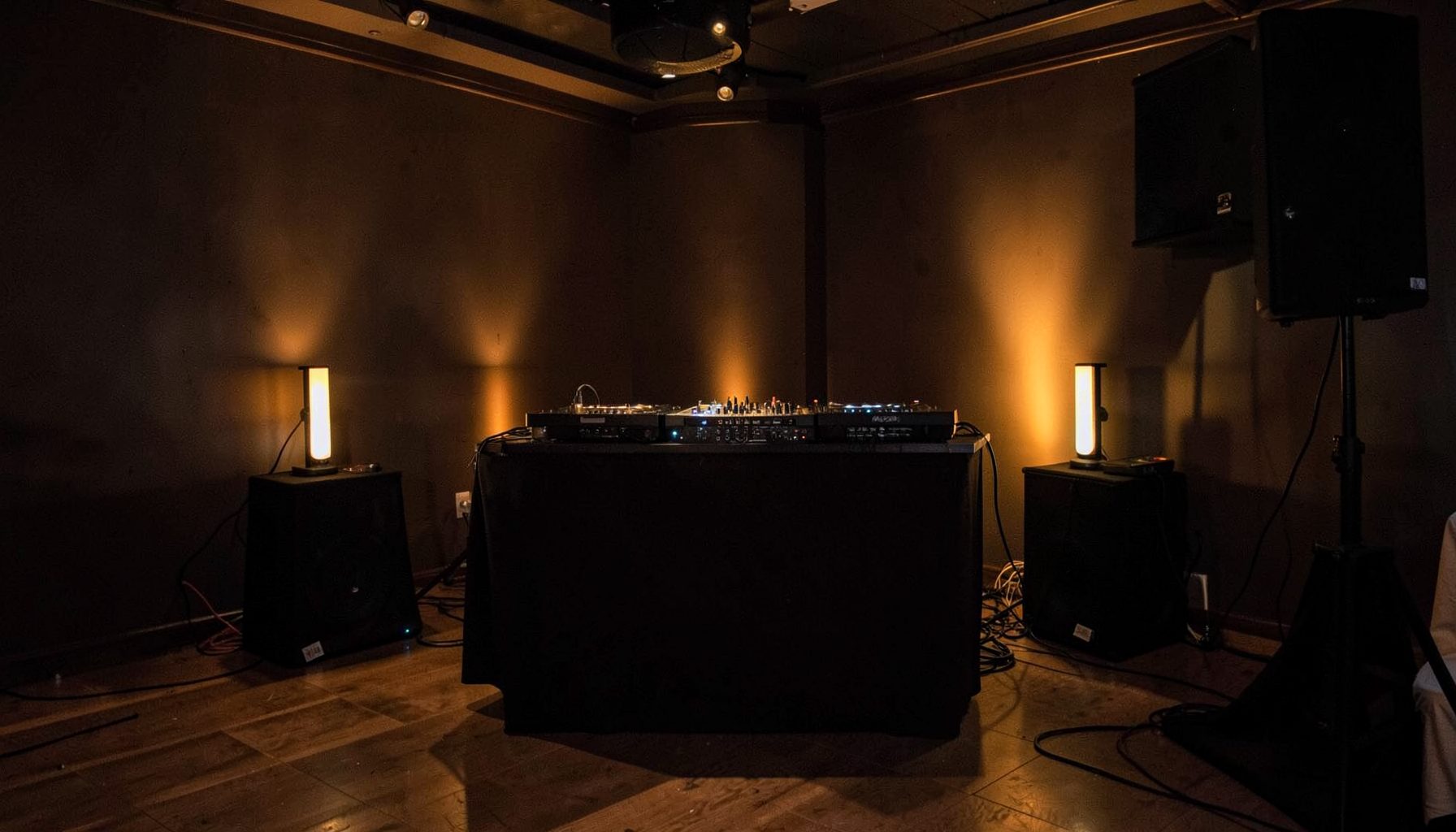
Insurance for Mobile Entertainers
N.A.M.E. partners with Brown & Brown Insurance to offer comprehensive liability and equipment coverage designed specifically for DJs, bands, photographers, and other mobile entertainers. Coverage up to $5,000,000 is available.
Learn about insurance →News & Updates
Stay informed with the latest announcements from the National Association of Mobile Entertainers, including trade show coverage, webinar updates, and member spotlights.
N.A.M.E. publishes a monthly e-newsletter via Constant Contact featuring discounts, member benefits, and upcoming industry expos.
Sign up for the newsletter →Find an Entertainer
Search the N.A.M.E. directory of DJs and mobile entertainers who have invested in their business and uphold the quality standards of the association. Members include DJs, hypnotists, photographers, bands, event planners, booking agents, theatrical groups, and comedians.
Browse the directory →Handling an equipment claim denied over missing maintenance records
A claim rejection can feel like a final verdict, especially when the missing evidence concerns equipment you rely on every week. If your insurer denies a claim due to lack of proper maintenance records, separate a maintenance failure from a failure of evidence. A denial may depend on a policy condition, an inspection requirement, or an insurer’s view that damage was ordinary wear rather than an insured event. The response should test the decision against the policy wording, the evidence and the chronology—not send an emotional message or create records retrospectively.
Mobile entertainers in Australia often move valuable audio, lighting and special-effect gear between Melbourne, Sydney, Brisbane or regional venues. Heat, humidity, coastal salt, road vibration and sudden rain can all affect equipment, while short notice between a breakdown and the next event leaves little room to absorb an uninsured loss. Equipment cover, public liability, cancellation and business interruption may also sit under different policies, so confirm the exact policy, jurisdiction and insured item before building a response.
Why maintenance evidence shapes claim decisions
Insurers use records to assess more than whether a technician touched a device. They may show whether the required work happened before the loss, whether an authorised provider completed it, whether the defect is connected to that work, and whether the item was worth replacing. A policy can also define acceptable proof, so a service invoice may matter more than a personal reminder.
| Evidence | What it can establish | Where to obtain it |
|---|---|---|
| Purchase and ownership records | Make, model, serial number and acquisition value | Tax invoice, finance agreement, asset register |
| Service history | Work performed, dates, parts and servicing provider | Job cards, invoices, provider portal |
| Inspection and calibration | Compliance with maker or state requirements | Signed certificates, technician records |
| Operating and condition records | Use, symptoms, condition and when damage appeared | Event logs, checklists, dated photographs |
| Loss and valuation evidence | Pre-loss condition and reasonable replacement cost | Incident report, supplier quotes, assessor report |
Records are evidence, not proof of every fact. Conversely, a gap in a file does not automatically establish that no maintenance occurred. Insurers should identify the condition they say was breached and explain why it mattered to the loss; if they cannot, the decision deserves a formal review.
Complex productions show how many assets can sit behind one booking. The equipment demands described in this game show case study illustrate why each serial-numbered item needs its own history rather than a general note that the rig was “serviced”.
Read the denial and protect the evidence
Start by converting the refusal into a precise review request. Ask the insurer for the decision date, the exact policy and schedule involved, the maintenance or documentation condition said to be breached, the factual findings, the repair or replacement estimate, and the internal appeal route. Quote the relevant wording exactly. If the policy is Australian, the general insurance contract framework in the Insurance Law Act 1973 may also be relevant, but the policy wording and facts remain central.
Next, assemble a dated chronology that links the purchase, inspections, repairs, symptoms, incident and notification. Keep original invoices, photographs, text messages and cloud-stored checklists; do not overwrite metadata or edit documents to make them appear contemporaneous. Download and preserve the claim correspondence, including attachments and recorded-call notes. This creates a reliable file if the complaint later moves to an external dispute resolution scheme.
Check the review deadlines and complaint pathway before responding. Many Australian disputes fall within the Australian Financial Complaints Authority’s jurisdiction, while state and territory ombudsman schemes or other external bodies may also be relevant depending on the insurer and policy. A calm, evidence-based internal review should normally precede that step. Keep copies of every submission and request a written outcome with reasons, so the next reviewer can see exactly what was considered.
Rebuild a credible maintenance history
Reconstruct the timeline honestly. Missing records can often be supplemented with third-party evidence, but no document should be backdated, invented or edited to suggest a service occurred on a date it did not. The aim is to show what happened, acknowledge any genuine gap and test whether the gap caused the claimed loss.
Start with:
- Purchase invoices and the serial-number list for each insured item
- Repair invoices, job cards and parts receipts from Australian service providers
- Previous policy schedules, renewals and declarations that listed the equipment
- Dated photographs, videos and event checklists showing condition or symptoms
- Statements from technicians, hire companies or other witnesses with direct knowledge
Then assemble:
- A chronology linking each item to its purchase, service and damage dates
- A maintenance matrix matching every item to the maker’s service interval
- Evidence showing when the fault first appeared and what testing was completed
- A replacement valuation based on comparable equipment and current Australian pricing
- A short evidence index that tells the reviewer where each fact is supported
For future cover, open a properly dated maintenance register and keep it separate from the claim evidence. Record the service required, due date, provider, invoice number and next due date for every item. A prospective register cannot repair a past evidentiary gap, but it demonstrates that the business now recognises the condition and acts on it.
Challenge the decision proportionately
A records-based denial should be tested at both the factual and contractual levels. Ask the insurer to identify the specific clause, the item concerned, the maintenance required and the causal link between an alleged breach and the loss. If work was completed but documentation was incomplete, present alternative proof and ask whether it satisfies the policy. If part of the history is genuinely absent, acknowledge it, explain what records do exist and request a decision based on the remaining evidence rather than an assumption.
The wider business effect also matters. A failed mixer or lighting board can cancel a wedding, festival or corporate event and strand bookings across several states. Compare the insurance amount with replacement lead times, repair costs, cancelled contracts and lost income. For a broader business-risk perspective, Gurans Life guidance can be considered alongside the claim file, so the dispute is not assessed in isolation from the operation it affects.
If the internal review again relies on a records gap, escalate with a short, numbered submission rather than a long emotional narrative. State the remedy sought: reconsideration using third-party evidence, an assessment that separates wear from an insured defect, or consideration of a partial settlement where depreciation is disputed. If the matter remains unresolved and AFCA has jurisdiction, use its formal process and observe the time limit. A claims solicitor or an experienced Australian broker can also assess the policy and prospects before further costs are incurred.
Build a record system that survives travel
Start with an equipment register linked to the insurance schedule. For each speaker, amplifier, mixer, projector, lighting fixture, effects machine and backup unit, record the serial number, purchase date, value, location, service intervals and condition. Keep digital copies in Australian time and local dates, and retain the original supplier documents. This turns maintenance into routine administration rather than an exercise performed only after a claim.
Travel and climate make the system especially important for mobile crews. A Melbourne-to-Brisbane itinerary can expose gear to extreme heat, humidity, coastal salt and rain in a single season, so case inspections, connector checks and preventive cleaning belong in the log. Electrical equipment used in the Australian entertainment market may also be subject to state rules for portable equipment inspection and testing; a qualified electrician’s report or certificate is more persuasive than a self-authored checklist.
Association resources can support better documentation and business planning. N.A.M.E. has supported mobile entertainers since 1996 with insurance options, consulting, marketing assistance, certifications, webinars, seminars, discounts and educational resources. Its association background explains the organisation’s work. Members can use those resources to connect record keeping with event pricing, equipment depreciation, marketing and continuity, rather than treating the insurance file as an isolated admin task.
Submit a focused appeal and restore your safeguards
Build a compact claim-review pack: a one-page statement of the dispute, a factual chronology, an evidence index, the policy clause, the insurer’s decision, and a clearly worded request for reconsideration. Number the exhibits and refer to them consistently. Separate facts you can prove from matters still inferred, and attach the strongest evidence first. If a record is unavailable, say when it was requested, why it cannot be produced and what credible source can cover the gap instead.
Do not conceal the missing documentation or overstate what it would have shown. Transparency strengthens a request for an evidence-based decision and avoids creating a separate misrepresentation issue. N.A.M.E. members can seek relevant business guidance and educational support from the association, while an Australian broker or solicitor can advise specifically on disputed cover. Make clear whether you seek a full reassessment, acceptance of alternative proof, payment of a narrower amount or an explanation of how future servicing will be assessed.
Act now by downloading the policy schedule, creating one equipment register and collecting the invoices, certificates and photographs already held for each item. Put the incident, service history and requested remedy into one indexed file, then send it for internal review before the stated deadline. Start with the item carrying the greatest operational or financial exposure so the claim response and the next maintenance cycle move forward together.
Get in Touch
Contact N.A.M.E. for membership inquiries, insurance questions, or general information.