
N.A.M.E. National Office
Professional Association for Mobile Entertainers
Email: office@nameentertainers.net
Mail: P.O. Box 144, Willow Grove, PA 19090
for Mobile Entertainers Get Insurance Info
Insurance for Mobile Entertainers
N.A.M.E. partners with Brown & Brown Insurance to offer comprehensive liability and equipment coverage designed specifically for DJs, bands, photographers, and other mobile entertainers. Coverage up to $5,000,000 is available.
Learn about insurance →News & Updates
Stay informed with the latest announcements from the National Association of Mobile Entertainers, including trade show coverage, webinar updates, and member spotlights.
N.A.M.E. publishes a monthly e-newsletter via Constant Contact featuring discounts, member benefits, and upcoming industry expos.
Sign up for the newsletter →Find an Entertainer
Search the N.A.M.E. directory of DJs and mobile entertainers who have invested in their business and uphold the quality standards of the association. Members include DJs, hypnotists, photographers, bands, event planners, booking agents, theatrical groups, and comedians.
Browse the directory →Insurance essentials for staged events and complex rigging
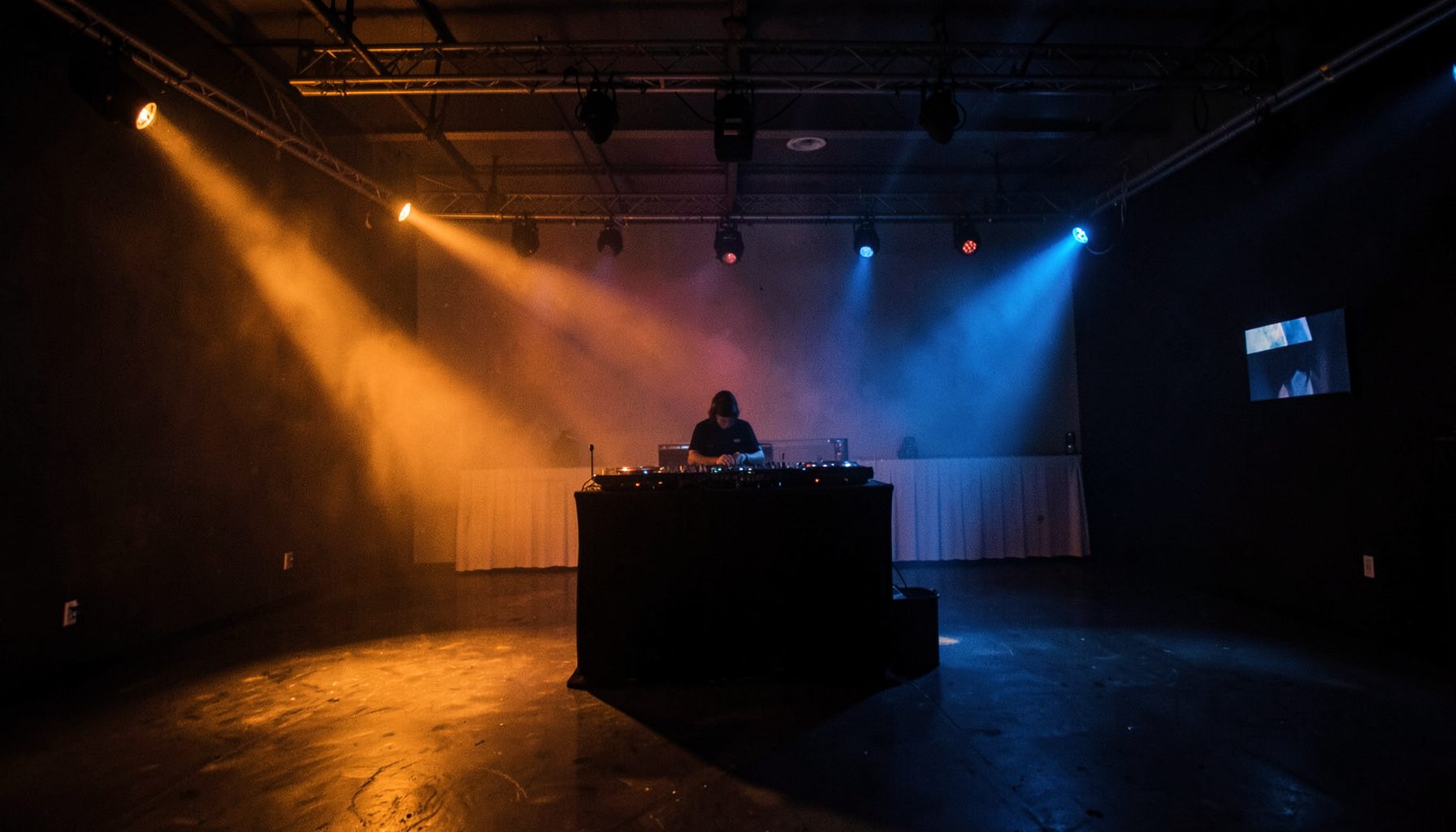
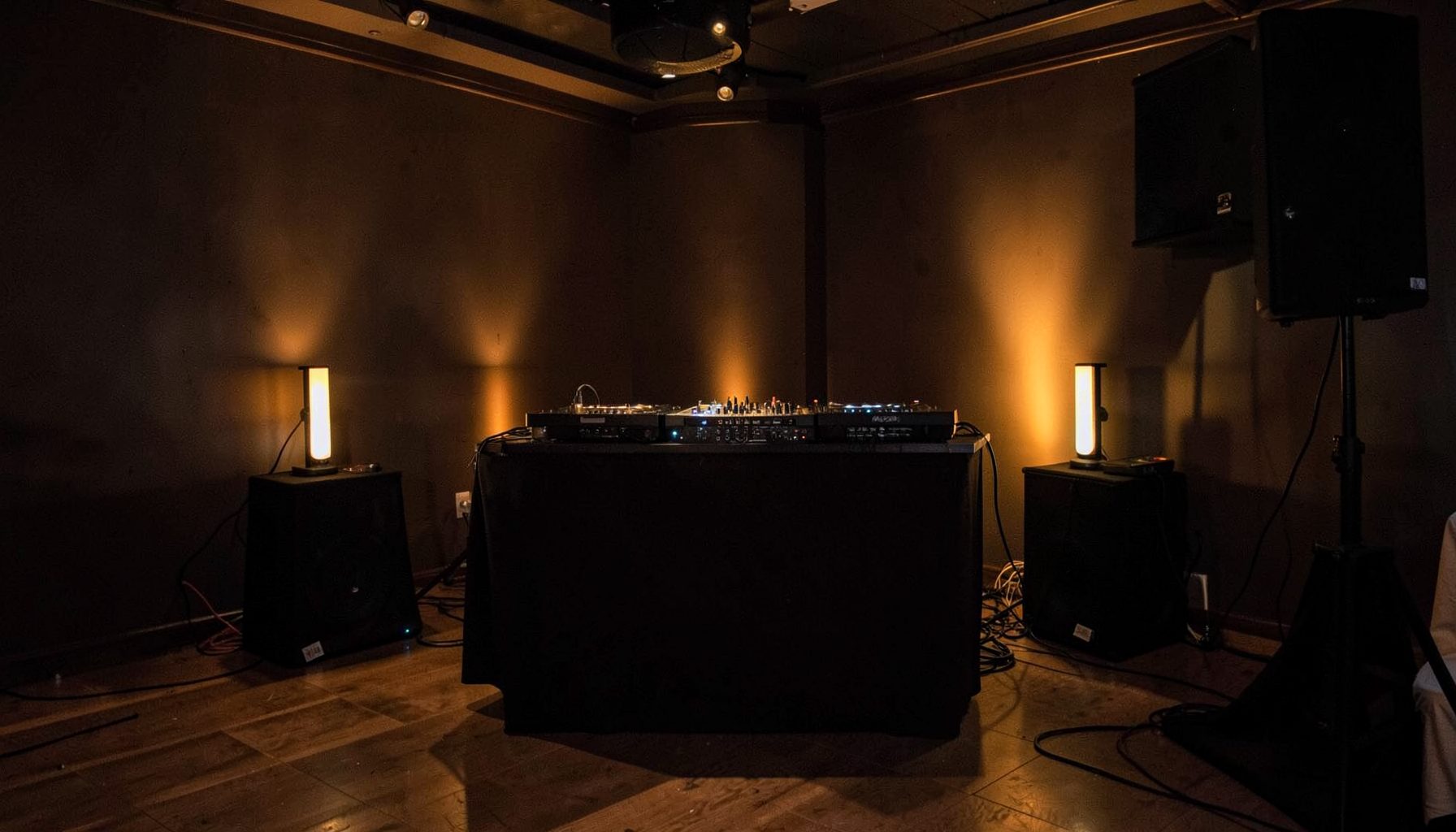
A staged event can look effortless from the audience: the band walks on, the lights come up, and every speaker hangs exactly where it should. Behind that smooth experience are trusses, motors, hoists, cables, power distribution, temporary structures, moving equipment and a network of contractors. Each element creates a different risk profile, and a standard business policy may not respond to all of it.
For Australian DJs, live entertainers, production companies and event suppliers, the insurance conversation needs to begin well before the first load-in. A council approval, venue contract or production schedule does not automatically provide protection for your business. You need to understand who is responsible for the rig, what your policy defines as equipment, and whether cover applies while items are being transported, installed, operated or packed away.
Insurance is one part of a wider safety system. Competent riggers, documented inspections, engineered plans and clear communication remain essential. The right policy helps protect against the financial consequences of an incident, while good production practice reduces the likelihood of that incident occurring in the first place.
Start with the event’s real risk profile
The phrase “stage and rigging” can describe very different jobs. A small wedding in a Brisbane hotel may involve a DJ booth, compact lighting bar and two speakers on stands. A festival near Byron Bay could include suspended line arrays, LED walls, flown lighting, roof structures, generators and temporary weather protection. Insurers need enough detail to distinguish between these activities.
Prepare a written description of your work before asking for a quote. Include the type of events, usual audience size, maximum equipment value, whether you own or hire the gear, the height and weight of suspended items, the states where you work, and whether you subcontract specialist technicians. Mention outdoor work, beach locations, public parks, touring, wet-weather exposure and overnight storage.
Australian insurers may also assess the responsibilities assigned by a venue or principal contractor. If your company supplies sound and lighting but another business controls the truss, that distinction should appear in the contract. If you supply the truss and arrange the rigger, the insurer may view you as carrying a broader duty. Vague descriptions can create delays when a claim is assessed.
Public liability is the foundation
Public liability insurance generally responds when your business is legally liable for injury to a person or damage to property. At a staged event, possible allegations could involve a speaker falling, a cable causing a trip, a lighting fixture striking property, or a poorly secured barrier injuring an attendee. The policy limit should reflect the scale and location of your work, along with the requirements of venues and councils.
Many Australian venues ask for a certificate of currency, often with a specified public liability limit and sometimes with the venue or event principal noted as an interested party. A certificate proves that a policy exists on the stated date; it does not rewrite the policy wording or guarantee that every activity is covered. Read the exclusions for temporary structures, work at height, hot work, subcontractors, hired equipment and unattended gear.
Public liability also differs from workers compensation. If you employ staff, you must comply with the workers compensation scheme in the relevant state or territory, such as WorkSafe Victoria, icare in New South Wales or WorkCover arrangements in Queensland. Contractors may need their own cover, yet calling someone a contractor does not automatically remove your responsibilities. Get advice on employment status, induction, supervision and safe systems of work.
Rigging needs specialist attention
Suspended equipment creates risks that ordinary entertainment insurance may treat cautiously. A policy might cover your speakers and lights while they are on the ground but exclude losses caused by lifting, flying or suspending them. It may also require that rigging is performed by suitably qualified people, that load ratings are observed, and that inspections and maintenance records are available.
In Australia, the practical compliance framework can involve state work health and safety laws, venue procedures, manufacturer instructions and relevant Australian Standards. Engineering advice may be required for temporary structures, roof systems or unusual loads. Wind conditions matter greatly at outdoor sites, particularly on exposed beaches, regional showgrounds and Queensland locations affected by severe storms or cyclones. A forecast that looks manageable at breakfast can change before the headline act.
Ask specifically whether the policy covers installation, dismantling, testing, rehearsal and operation, rather than only the live performance. Confirm how it treats dropped objects, damage to the venue’s roof or structure, and loss caused by incorrect attachment. Keep signed handover documents, pre-use checks, lift plans, photographs and records of who approved the setup.
Creative decisions can affect the risk assessment too. An installation designed around visual impact, cultural interpretation or a site-specific audience experience may require unusual hanging points or materials. Resources such as this discussion of art criticism in Nigeria show how artistic context can shape the way work is presented; for insurers, the practical question is how that concept translates into a safe, documented production design.
Protect equipment through every stage
Equipment cover should follow the gear through its full journey. This may include transport in a van, loading at a warehouse, temporary storage at a venue, setup, rehearsal, performance and pack-down. Check whether the policy covers theft from an unattended vehicle, damage during transit, water damage, accidental breakage and equipment left overnight in a marquee or fenced compound.
A replacement-cost basis can be valuable for specialist items that are expensive to source quickly. Older equipment may instead be settled at market value, which may not fund an equivalent replacement. Make a current inventory with serial numbers, purchase dates, photographs and receipts. Update declared values when you add wireless systems, consoles, moving heads, LED panels, cable looms or control equipment.
Outdoor work deserves particular scrutiny. Dust, salt air, rain, condensation and unstable ground can damage equipment or create electrical hazards. A useful example is this account of sound and light cover, which reflects the kinds of exposure that arise when production equipment leaves a controlled indoor venue. Ask about flood, storm, accidental liquid damage and the conditions that apply when gear is stored in a vehicle or temporary structure.
Hiring equipment introduces another layer. The owner may insure the item, but the hire agreement could make your business responsible for its loss or damage. You may need hired-in equipment cover, legal liability for property in your care, custody or control, or a waiver arrangement accepted by the owner. Never assume that the owner’s policy will protect your company from a recovery action.
Review contracts and subcontractor arrangements
Event contracts often contain insurance clauses that are broader than the work you expected to perform. A promoter may require a high liability limit, contractual indemnities, principal’s indemnity, cross-liability or a waiver of rights against the venue. These terms can affect how a claim is handled and whether your insurer accepts the obligation.
Have the broker review important agreements before signing. Look for responsibility for temporary structures, venue damage, delays, weather decisions, audience control, equipment supplied by others and injuries to contractors. A clause promising to indemnify a principal for “all losses” may reach further than your policy allows. Contract review is especially important when you are working under a major production company at Sydney Olympic Park or a large festival site in Melbourne.
Subcontractor certificates should be current and relevant to the actual work. A rigger’s policy may exclude electrical work, while an electrician’s policy may not address suspended equipment. Collect licences, qualifications, inspection records and insurance evidence, then define who is responsible for the lift plan, exclusion zones, weather monitoring and final sign-off.
Industry associations can help members build stronger business processes. N.A.M.E. provides education, consulting, marketing support and insurance options for mobile entertainers, and its staff and advisory board information offers useful context about the organisation’s professional support structure.
Check exclusions, limits and claims procedures
The price of a policy tells you very little without the wording. Pay attention to exclusions for gradual deterioration, faulty workmanship, defective design, wear and tear, consequential loss and unapproved modifications. A policy might cover resulting damage after a faulty component fails, while excluding the cost of correcting the component itself. That distinction can materially affect a production company’s recovery.
Ask whether liability is written on an occurrence basis and whether any professional advice or design service is covered under professional indemnity. If you design a lighting plot, specify a truss arrangement or advise a client about structural loading, professional indemnity may need to be considered separately. Event cancellation, abandonment and non-appearance cover are also distinct products and should not be confused with public liability.
Know the notification requirements. Contact the insurer or broker quickly after an incident, preserve damaged equipment where safe, photograph the area, obtain witness details and avoid admitting liability before receiving advice. Keep incident reports factual. If an injury occurs, emergency services and site safety procedures take priority, followed by prompt notification to the relevant insurer and authorities.
A regular review is worthwhile before each busy season. Touring across Australia can expose a business to different venue rules, state obligations and weather patterns. Recheck declared equipment values, subcontractor arrangements, turnover, event types and maximum audience sizes whenever the business expands.
Build an insurance-ready production system
Good records make it easier to demonstrate that your business manages risk responsibly. Store equipment registers, test-and-tag records, maintenance logs, rigging inspections, engineering documents, staff inductions, venue briefings and weather decisions in one accessible system. Digital records should be backed up, especially when a production team is travelling between Adelaide, Perth and regional venues.
Create a pre-event checklist that covers access, ground conditions, overhead attachment points, exclusion zones, cable protection, emergency access, power distribution, weather triggers and pack-down responsibilities. Make sure the person who can stop work is clearly identified. A production schedule should include enough time for inspection and correction rather than treating safety checks as an afterthought.
Membership and professional education can support these habits. Entertainment businesses considering broader resources, insurance options and industry benefits can review how to join N.A.M.E. and use its educational offerings as part of ongoing business development. Training does not replace a qualified engineer or rigger, but it can help owners ask better questions and recognise when specialist advice is needed.
For Australian operators, professionalism is often judged through practical details: a current certificate of currency, tidy cable runs, documented equipment checks and a calm response when conditions change. Those details build trust with venues, councils, production managers and clients, and they can make the claims process clearer if something goes wrong.
Review your insurance schedule before accepting the next staged event. Describe the rigging, equipment and responsibilities accurately, confirm that subcontractors and hired gear are addressed, and keep your safety documentation current. For mobile entertainers and event professionals, sound cover is a business asset that supports reliable work from a suburban wedding to a large outdoor festival.
Get in Touch
Contact N.A.M.E. for membership inquiries, insurance questions, or general information.