

N.A.M.E. National Office
Professional Association for Mobile Entertainers
Email: office@nameentertainers.net
Mail: P.O. Box 144, Willow Grove, PA 19090
for Mobile Entertainers Get Insurance Info
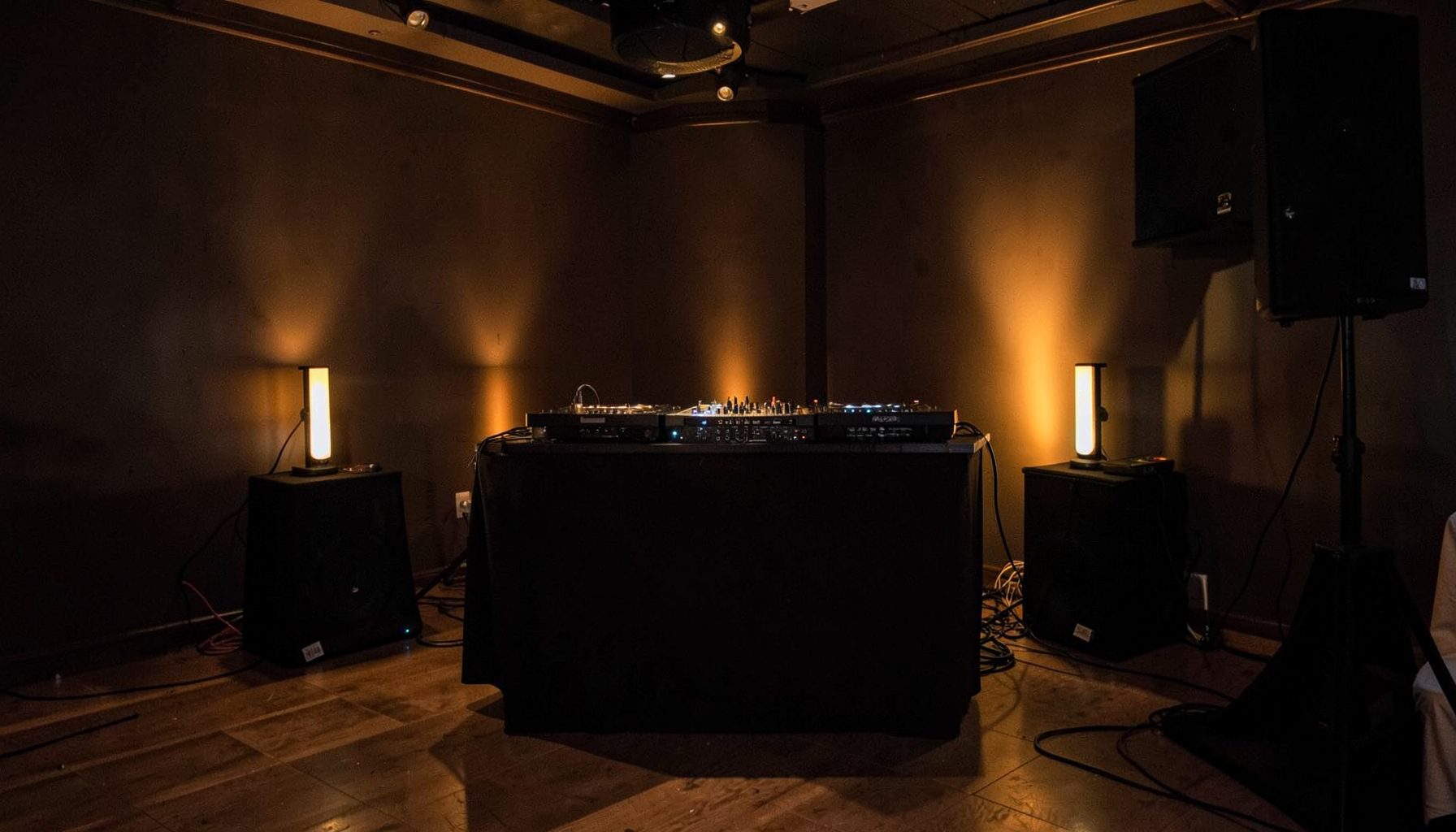
Insurance for Mobile Entertainers
N.A.M.E. partners with Brown & Brown Insurance to offer comprehensive liability and equipment coverage designed specifically for DJs, bands, photographers, and other mobile entertainers. Coverage up to $5,000,000 is available.
Learn about insurance →News & Updates
Stay informed with the latest announcements from the National Association of Mobile Entertainers, including trade show coverage, webinar updates, and member spotlights.
N.A.M.E. publishes a monthly e-newsletter via Constant Contact featuring discounts, member benefits, and upcoming industry expos.
Sign up for the newsletter →Find an Entertainer
Search the N.A.M.E. directory of DJs and mobile entertainers who have invested in their business and uphold the quality standards of the association. Members include DJs, hypnotists, photographers, bands, event planners, booking agents, theatrical groups, and comedians.
Browse the directory →Why a stolen microphone can require a police report for your claim
A microphone can disappear in seconds at a wedding reception, corporate function or crowded festival. It may be left beside a mixing desk while you move to another room, taken from a locked vehicle after a Sydney event, or misplaced during a late-night pack-down in Melbourne. When you later contact your insurer, the key issue is often how the loss happened and whether it can be treated as theft, accidental damage or unexplained disappearance.
A police report provides an independent record of an alleged crime. It helps establish when and where the microphone went missing, supports the information in your claim and gives the insurer an official incident reference. It does not guarantee payment, because the wording of your equipment insurance, security conditions and excess still apply, but it can be an important part of proving what happened.
Theft, loss and unexplained disappearance are different
Insurance policies commonly distinguish between theft and a microphone that simply cannot be found. Theft usually involves evidence that someone unlawfully took the item. A report to the police can support that description, particularly where the microphone was removed from a venue, vehicle, storage room or other location without your permission.
“Lost” may describe a different situation. If you cannot establish whether the microphone was stolen, left behind or accidentally discarded, the insurer may classify the incident as mysterious disappearance or unexplained loss. Some policies cover this type of event, while others restrict it or exclude it entirely. Using the word “stolen” without supporting facts can create problems if your account later changes.
The best approach is to describe the circumstances accurately. Explain the last confirmed sighting, who had access to the equipment, when you noticed it was missing and any signs of forced entry or interference. Avoid guessing about the person responsible. Clear, factual information is more useful than a confident but unsupported theory.
What a police report adds to the evidence
A police report records the incident independently of your insurance claim. In Australia, the process varies between states and territories, and some non-urgent thefts can be reported online or through a police assistance channel. If there is an immediate threat, confrontation or danger, use emergency services; otherwise, follow the relevant local police reporting process.
Ask for the report or event number and keep the details with your claim documents. An insurer may request a copy of the report, confirmation that it was lodged, or permission to obtain further information. The report can also help if the microphone is recovered and police need to identify its owner.
Give police practical identifying information: brand, model, finish, serial number, wireless frequency or receiver pairing details, distinctive marks and photographs. A generic description such as “black handheld microphone” is less useful than a complete inventory entry. If several items were taken, list each one separately, including transmitters, receivers, clips, cases and cables.
Information to gather before contacting the insurer
Start with a timeline. Note the event date, venue, arrival and pack-up times, the last time you saw the microphone and when the absence was discovered. Record whether it was in a locked case, behind a booth, inside a vehicle or in an area accessible to guests and contractors. Include the names of venue staff or witnesses who may have seen the equipment.
Collect proof of ownership and value, such as the original invoice, receipt, finance record, stock register, photographs, bank statement or supplier correspondence. If the item was purchased second-hand, keep the marketplace messages and payment record. Current replacement pricing can be useful, but it does not replace evidence that the particular microphone belonged to you.
Notify the venue and ask whether security staff can preserve CCTV footage, access logs or lost-property records. Footage may be overwritten quickly, so make the request promptly and keep the contact person’s details. If the microphone was taken from a vehicle, photograph the vehicle, damaged locks and surrounding area before repairs where practical.
The review your cover process is also a useful time to check whether your policy lists the right equipment values, operating locations and types of work. A DJ working across Brisbane, Perth and regional venues may need to consider how the policy treats equipment in transit, overnight storage and unattended vehicles.
How insurers assess a missing microphone
An insurer will generally look at the policy schedule, the event circumstances and the evidence supplied. Important questions can include whether theft is insured, whether the equipment was secured as required, whether the microphone was used for business purposes, and whether the claim falls within the policy period. The insurer may also consider whether the item was covered anywhere in Australia or only at a specified premises.
A police report helps with the cause of loss, but it does not establish the microphone’s value or prove that policy conditions were met. That is why serial numbers, receipts, photographs and a detailed account matter. If the microphone was part of a larger wireless system, explain whether the claim concerns one component or the complete kit and whether the remaining parts are still usable.
Do not throw away damaged cases, broken locks or other physical evidence until the insurer gives permission. Do not replace the microphone immediately unless urgent business needs require it and the insurer has approved the approach. Keep quotes, temporary hire costs and communications with the claims handler, as these may be relevant to the assessment.
Public liability insurance is also different from equipment cover. Liability insurance may respond if a third party alleges injury or property damage connected with your work; it generally does not replace your own stolen microphone. Equipment or business contents cover is the section more likely to address the missing item, subject to its terms.
| Situation | Evidence that may help | Why the police report matters |
|---|---|---|
| Microphone taken from a locked vehicle | Photos of forced entry, venue details, CCTV, vehicle repair record | Confirms an alleged theft and creates an official incident reference |
| Equipment removed from an event venue | Witness statements, access information, inventory, security footage | Records the time and place of the suspected crime |
| Microphone left behind and not recovered | Venue lost-property response, timeline, photographs, messages | May clarify whether the matter is theft, loss or unexplained disappearance |
| Microphone missing during transport | Courier tracking, packaging photos, delivery records and supplier contact | May support a theft allegation, although transport cover and carrier terms also apply |
| Wireless kit partly missing | Serial numbers, purchase invoice, component list and replacement quotes | Helps identify the stolen property and distinguish it from a complete-system loss |
Common mistakes that can weaken a claim
Waiting several weeks before reporting the incident can make evidence harder to obtain and may conflict with a policy requirement to notify the insurer promptly. Contact the insurer as soon as you reasonably can, even if you are still gathering documents. They can explain what must happen next and whether you should report the matter to police before lodging the full claim.
Another mistake is treating a microphone as interchangeable with any similar product. Professional equipment can have different values, specifications and intended uses. A premium wireless system used by a touring band may not be equivalent to a basic wired model. Provide the exact model and accessories, and separate the cost of the microphone from the cost of the receiver or complete package.
Security details deserve careful attention. Leaving equipment visible in a ute, placing a case in an unlocked storeroom or allowing an unknown person access to the booth may lead the insurer to examine whether reasonable care was taken. This does not automatically defeat a claim, but an honest explanation is essential. Never alter photographs, omit relevant facts or present an estimate as an invoice.
If gear went missing while being sent to or from an Australian event, the responsible policy section may be different from ordinary venue theft. The guidance on handling a shipping claim explains why delivery records, packaging evidence and prompt notification can be important when equipment is affected during transport.
Building better records for future events
Create an equipment register before the busy season. Record each microphone’s make, model, serial number, purchase date, replacement value and location. Keep a secure digital copy, along with photographs showing serial labels and distinctive marks. Cloud storage or an off-site backup can help if the same theft affects your laptop, paperwork and equipment cases.
At a large function in Adelaide or a festival on the Gold Coast, decide who is responsible for equipment during breaks and pack-down. Use labelled cases, keep wireless components together and avoid leaving high-value items beside an unattended DJ booth. Ask the venue about secure storage, staff access and CCTV before the event rather than after something disappears.
Review the policy whenever your inventory changes. New microphones, upgraded wireless systems and additional equipment bought for the Australian wedding and corporate market may exceed the values originally declared. Check limits for portable equipment, transit, unattended vehicles, hired gear and equipment used by subcontractors. Also confirm the applicable excess, because a small claim may not produce a payment after that amount is deducted.
If a microphone is stolen, treat the police report as one part of a wider evidence package. A timely report, consistent timeline, ownership documents and sensible security information give the insurer a clearer basis for assessing the claim. N.A.M.E. members can also use professional education and business resources to build more reliable equipment-management habits alongside their insurance arrangements.
Report the incident promptly, preserve the evidence and follow the instructions of your insurer and local police. Keep your event records current, review your portable equipment cover before the next run of bookings, and use the support available through N.A.M.E. to protect the tools that keep your entertainment business working.
Get in Touch
Contact N.A.M.E. for membership inquiries, insurance questions, or general information.