
N.A.M.E. National Office
Professional Association for Mobile Entertainers
Email: office@nameentertainers.net
Mail: P.O. Box 144, Willow Grove, PA 19090
for Mobile Entertainers Get Insurance Info
Insurance for Mobile Entertainers
N.A.M.E. partners with Brown & Brown Insurance to offer comprehensive liability and equipment coverage designed specifically for DJs, bands, photographers, and other mobile entertainers. Coverage up to $5,000,000 is available.
Learn about insurance →News & Updates
Stay informed with the latest announcements from the National Association of Mobile Entertainers, including trade show coverage, webinar updates, and member spotlights.
N.A.M.E. publishes a monthly e-newsletter via Constant Contact featuring discounts, member benefits, and upcoming industry expos.
Sign up for the newsletter →Find an Entertainer
Search the N.A.M.E. directory of DJs and mobile entertainers who have invested in their business and uphold the quality standards of the association. Members include DJs, hypnotists, photographers, bands, event planners, booking agents, theatrical groups, and comedians.
Browse the directory →Why Adding a PA System Can Raise Your Insurance Premium
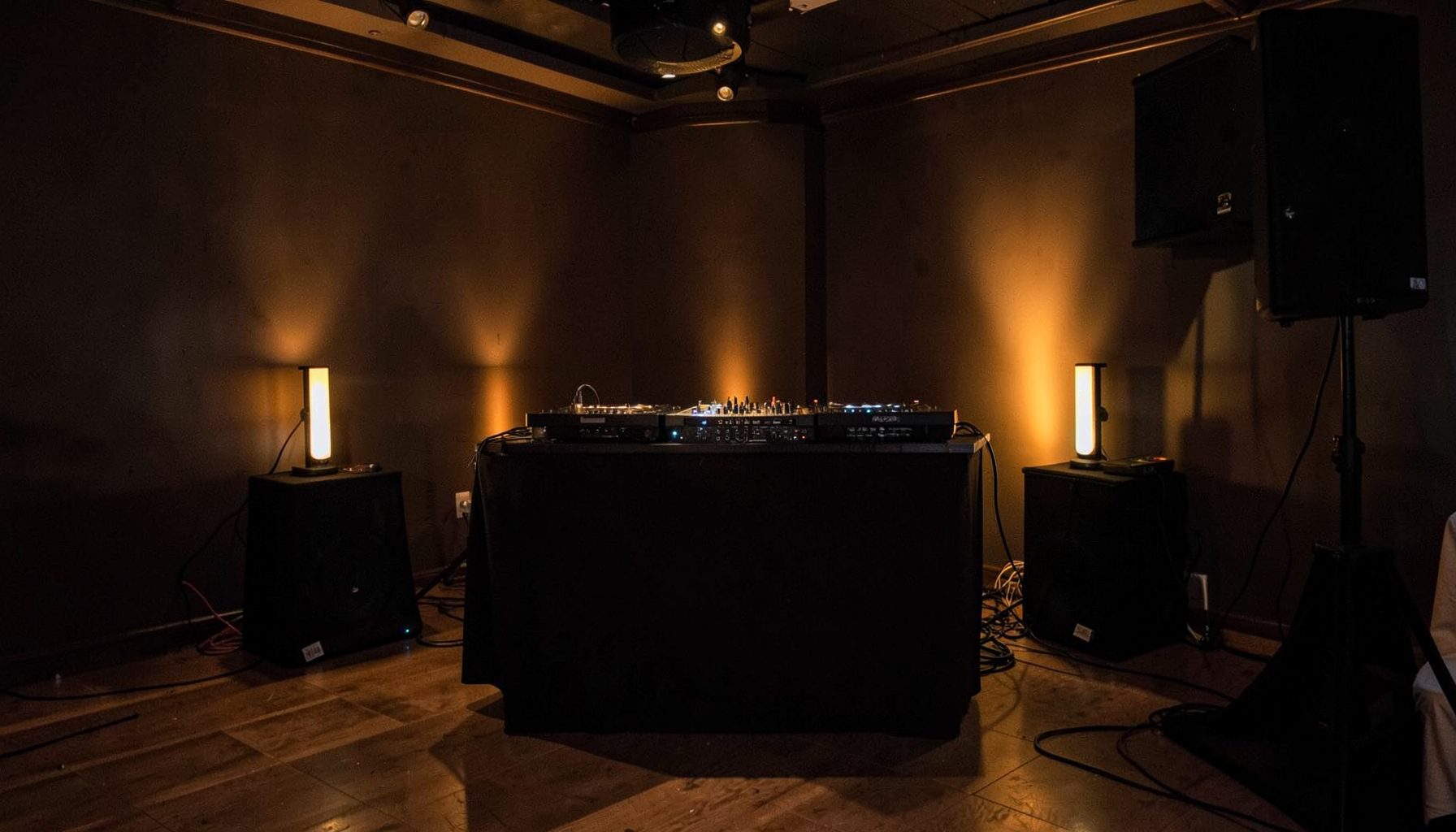
A public address system can transform a mobile entertainment setup. It gives a DJ, band, celebrant, presenter, or event host the volume and clarity needed for speeches, announcements, background music, and crowd control. It also introduces additional equipment, electrical connections, setup demands, and possible interactions with the public.
That change can affect how an insurer views your business. Even if you have held the same policy for years, adding powered speakers, amplifiers, wireless microphones, mixers, speaker stands, and cabling may alter your risk profile. Your premium may rise because the equipment is more valuable, the work is more physical, or your services now reach larger audiences.
Why your insurance rates may increase after you add a public address system depends on your policy wording, the type of work you perform, and how your insurer assesses claims. Australian entertainers should also account for local venue rules, council requirements, and the expectations of schools, clubs, hotels, and community organisations.
What Changes When Audio Equipment Enters Your Business
A PA system increases the value of property that you transport and store. A compact setup might include two powered speakers and a wireless microphone, while a larger rig can involve subwoofers, amplifiers, stands, digital consoles, batteries, and spare cables. If the equipment is stolen from a vehicle, damaged during loading, or affected by a power surge, the potential claim is larger.
The equipment may also be used in more demanding environments. A DJ working in a Brisbane function room may have a controlled indoor setup, while an entertainer at a surf club near Newcastle could face salt air, wind, uneven ground, and sudden rain. Outdoor work creates extra exposure for both the gear and the people nearby.
Insurers may also interpret a PA purchase as a sign that you are expanding into larger events. You might begin accepting school formals, council events, corporate launches, weddings, festivals, or sporting presentations. Those jobs can involve larger crowds and more venue-specific responsibilities than a small private party.
How Underwriters Recalculate the Risk
Insurance pricing is usually based on several factors rather than one item on an equipment schedule. The underwriter may review the replacement value of your gear, your annual turnover, the type of venues you attend, the number of events you work, and the limits of public liability cover you need.
A powered speaker can fall from a stand, a cable can create a trip hazard, or excessive volume can contribute to hearing-related complaints. These risks do not mean a claim is inevitable, but they may affect the insurer’s view of frequency and severity. The way you transport, install, operate, and pack down the system can therefore matter as much as the purchase price.
Your previous work history can also influence the result. An entertainer with a clean claims record, written safety procedures, and regular equipment inspections may receive a different assessment from someone who has no documented process. An honest update is safer than leaving new equipment off the policy and discovering a coverage problem after an incident.
Which Cover Areas May Be Affected
Adding a PA system can affect several parts of an entertainment insurance package. Equipment cover generally deals with physical loss or damage, while public liability responds to claims involving injury or property damage suffered by another person. These are separate concerns, and one does not automatically replace the other.
| Risk area | Why a PA system matters | Information an insurer may request |
|---|---|---|
| Equipment damage | More items and higher replacement costs increase the possible claim value | Purchase invoices, serial numbers and current replacement prices |
| Theft | Speakers, microphones and consoles are portable and attractive targets | Storage arrangements, vehicle security and overnight procedures |
| Public liability | Stands, leads, sound levels and crowded spaces can create third-party risks | Event types, audience size and risk controls |
| Electrical incidents | Faulty leads, overloaded outlets or wet conditions may cause damage or injury | Testing records, qualified repairs and operating procedures |
| Business interruption | A damaged system may prevent you from completing booked work | Whether hire equipment, refunds or cancellation costs are covered |
Coverage for hired or borrowed equipment should be checked separately. If you rent a subwoofer for a large event, your existing policy may have a limit, an excess, or an exclusion that changes how a claim would be handled. The same applies to equipment belonging to a bandmate, subcontractor, or venue.
Australian operators should also pay attention to whether the policy is written for the activities they actually perform. A cover arrangement intended for mobile DJs may not automatically suit live sound reinforcement, public speaking events, festival production, or regular work at licensed venues.
Details That Can Push the Premium Higher
An insurer may ask for a revised equipment list and a description of your normal work. Give clear, specific information rather than simply saying that you have “some speakers”. Identify the number and type of speakers, microphones, control equipment, stands, cases, and accessories, along with their replacement values.
The following details commonly influence the assessment:
- The total replacement cost of the PA and related accessories
- Whether equipment is kept at home, in a locked facility, or in a vehicle
- The usual audience size and maximum event capacity
- Whether work takes place indoors, outdoors, or near water
- Whether you supply sound for schools, festivals, public venues, or councils
- Whether employees, contractors, or other entertainers operate the system
A move into school dances and formal events can be especially significant. Venues and education authorities may ask for evidence of public liability insurance before confirming a booking. Guidance on why certificates matter can help explain why an organiser may request current documentation, even when no claim has occurred.
Practical Ways to Control the Cost
A higher premium is not always unavoidable. Insurers need to understand that you are managing the risks created by the new setup. Keep an updated inventory, photograph serial numbers, and store invoices in a secure digital location. These records can speed up a claim and make the declared value more credible.
Use sensible controls at every event. Tape or ramp cables across walkways, position stands away from busy entrances, use suitable weights outdoors, and keep electrical connections protected from rain. In Australia, a wet-weather plan is particularly important for events in Queensland, coastal New South Wales, and Victoria, where conditions can change quickly.
You can also review the structure of the policy rather than focusing only on the headline premium:
- Compare the excess with the likely cost of smaller equipment claims
- Ask whether replacement-value or depreciated-value settlement applies
- Check sub-limits for theft from vehicles, unattended equipment, and hired gear
- Confirm that outdoor events and temporary setups are included
- Review public liability limits requested by venues and organisers
- Ask whether risk-management steps qualify for a more favourable assessment
Avoid reducing cover simply to keep the premium low. A policy that excludes the work you now perform may create a much larger financial problem than a moderate rate increase. Ask the insurer or broker to explain exclusions, conditions, territory limits, and claims procedures in plain language.
Records That Help When Your Policy Is Reviewed
Good documentation can demonstrate that the PA system is part of a controlled professional operation. Keep maintenance notes, electrical inspection records, incident reports, and evidence of staff or contractor training. If a speaker stand breaks or a lead is damaged, record what happened and remove unsafe equipment from service.
For Australian businesses, it is useful to retain booking agreements, invoices, risk assessments, and venue instructions. A council event in Melbourne may have different requirements from a private wedding in the Adelaide Hills. A hotel in Sydney may request a certificate with specific insured details, while a community hall in Perth may have its own loading, power, and setup rules.
Before renewal, prepare a concise summary of your business activities. Include changes in turnover, equipment value, event types, geographic area, and staffing. Also tell the insurer if you have stopped performing certain higher-risk services. Accurate information can prevent delays and reduce the chance of an argument over non-disclosure after a loss.
A professional association can provide useful education around business administration, marketing, certifications, and insurance questions. Entertainers who want industry updates and practical resources can join the N.A.M.E. newsletter for news and member information.
When a Certificate Becomes Part of the Booking
A certificate of insurance is evidence that a policy was in force at a particular time; it is not a substitute for reading the policy wording. Some venues ask to be named as an interested party or require a particular public liability limit. Others may request evidence that the entertainer’s activities are covered at the booked location.
This is common for school formals, university events, council celebrations, hotel functions, and community festivals. In Australia, a venue may require $10 million or $20 million of public liability cover, depending on its own contract and risk policy. The required limit does not automatically mean every claim is covered, so check the underlying terms.
Give yourself time to request updated documentation after adding the PA system. If the equipment is still being financed, hired, or shared with another business, disclose that arrangement. If you use subcontractors, establish who is responsible for their equipment, conduct, and insurance.
A PA system can be a valuable step forward, allowing you to accept better-paid bookings and provide a more complete service. The key is to treat it as a business change rather than a simple purchase. Tell your insurer, update the declared values, follow safe setup practices, and keep records that show how you manage the added exposure. Taking those steps can make a premium adjustment understandable, predictable, and worthwhile.
Get in Touch
Contact N.A.M.E. for membership inquiries, insurance questions, or general information.